Mastering Scientific Reading
Understanding Scientific Paper Structure
The Anatomy of a Research Paper
Scientific papers can feel dense, but they almost always follow a predictable pattern. This structure, often called IMRaD (Introduction, Methods, Results, and Discussion), is designed to present research clearly and logically. Understanding this roadmap helps you navigate articles efficiently, pinpointing the exact information you need without getting lost in the details.
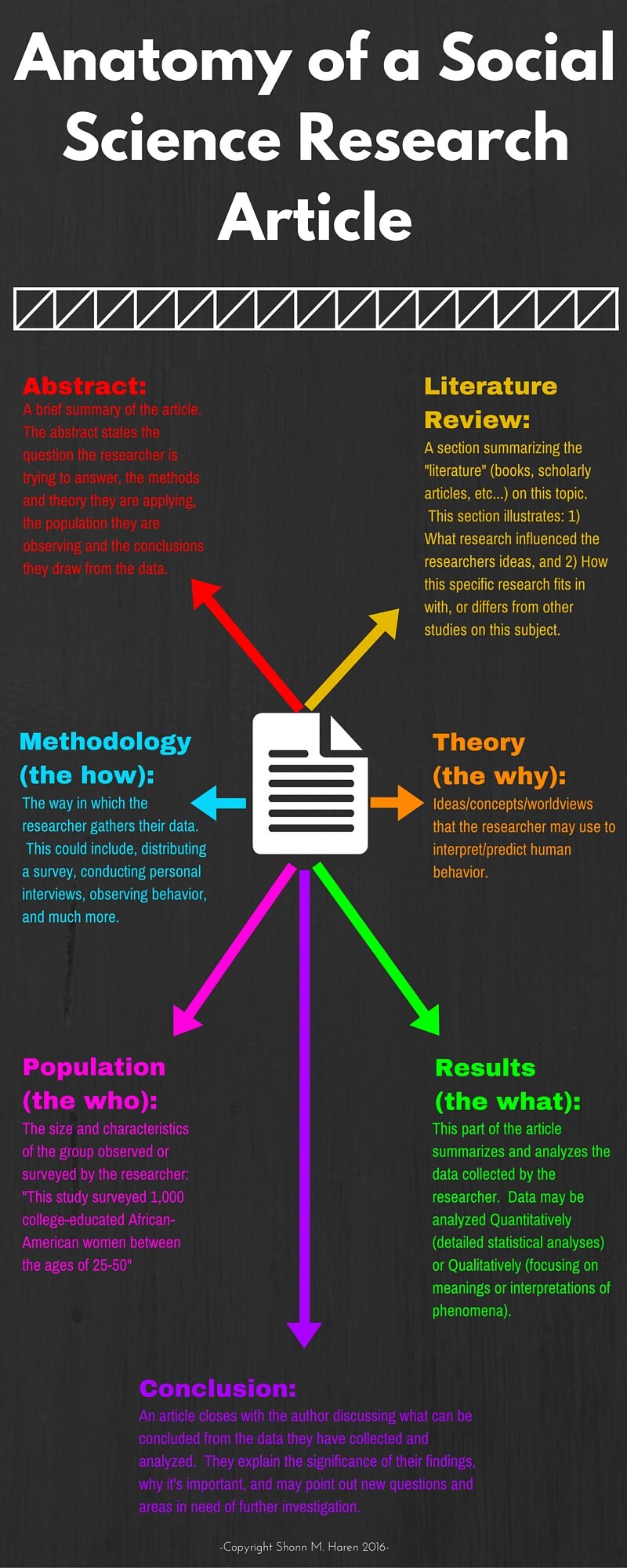
Think of it as a blueprint. Once you know what each room is for, you can move through the house with purpose. Let's walk through the sections one by one.
Abstract: The Executive Summary
The abstract is a compact summary of the entire paper, usually around 150-250 words. It's the first thing you'll read, and it's designed to give you a quick overview of the study's purpose, methods, key findings, and main conclusions. Its goal is to help you decide if the full paper is relevant to your interests.
A well-written abstract provides a high-level snapshot of the research, from the initial question to the final answer. It's your first and fastest filter for screening articles.
Introduction: Setting the Stage
The introduction answers the question, "Why was this study done?" It starts broad by providing the necessary background information on the topic, funneling down to identify a specific gap in the current knowledge. This is where the authors establish the context and importance of their work.
The section typically ends by clearly stating the research question, hypothesis, or objectives of the study. After reading the introduction, you should understand what the authors set out to investigate and why it matters.
Methods: The 'How-To' Guide
The methods section is the recipe for the research. It provides a detailed account of how the study was conducted, covering everything from the experimental design and participants to the materials used and the procedures followed. It also describes the statistical techniques used to analyse the data.
The core principle here is reproducibility. The description should be so clear and thorough that another researcher could, in theory, replicate the study exactly. This transparency is fundamental to the scientific process, allowing others to verify the findings.
Results: Just the Facts
This section presents the findings of the study objectively, without any interpretation or commentary. It answers the question, "What did the authors find?"
The results are often presented using a combination of text, tables, and figures (like graphs and charts). The text guides the reader through the key findings, while the visual aids provide a detailed look at the data. It's a straightforward report of the observations and statistical outcomes.
| Group | Mean Score | Standard Deviation |
|---|---|---|
| Treatment | 85.4 | 5.2 |
| Control | 78.1 | 6.1 |
Discussion: Making Sense of It All
If the results section is about what was found, the discussion is about what it means. Here, the authors interpret their findings, explaining how they answer the initial research question. They compare their results with those from previous studies, highlighting agreements and disagreements.
This section is also where authors acknowledge the study's limitations—no study is perfect—and may suggest directions for future research. It often concludes with a summary of the study's main takeaways and its broader implications.
References: Giving Credit
The final section is a comprehensive list of all the sources cited throughout the paper. This bibliography allows readers to track down the articles and works that informed the study.
It's not just about avoiding plagiarism; the reference list provides a trail of the intellectual context of the research. It shows whose work the authors are building on and directs you to other relevant literature in the field.
What does the acronym IMRaD stand for when referring to the structure of a scientific paper?
If you wanted to replicate an experiment described in a paper, which section would provide the most detailed 'recipe' for how the study was conducted?
Familiarising yourself with this structure is the first step towards reading scientific literature efficiently and critically.