Mastering Scientific Reading
Scientific Paper Structure
The Anatomy of a Research Paper
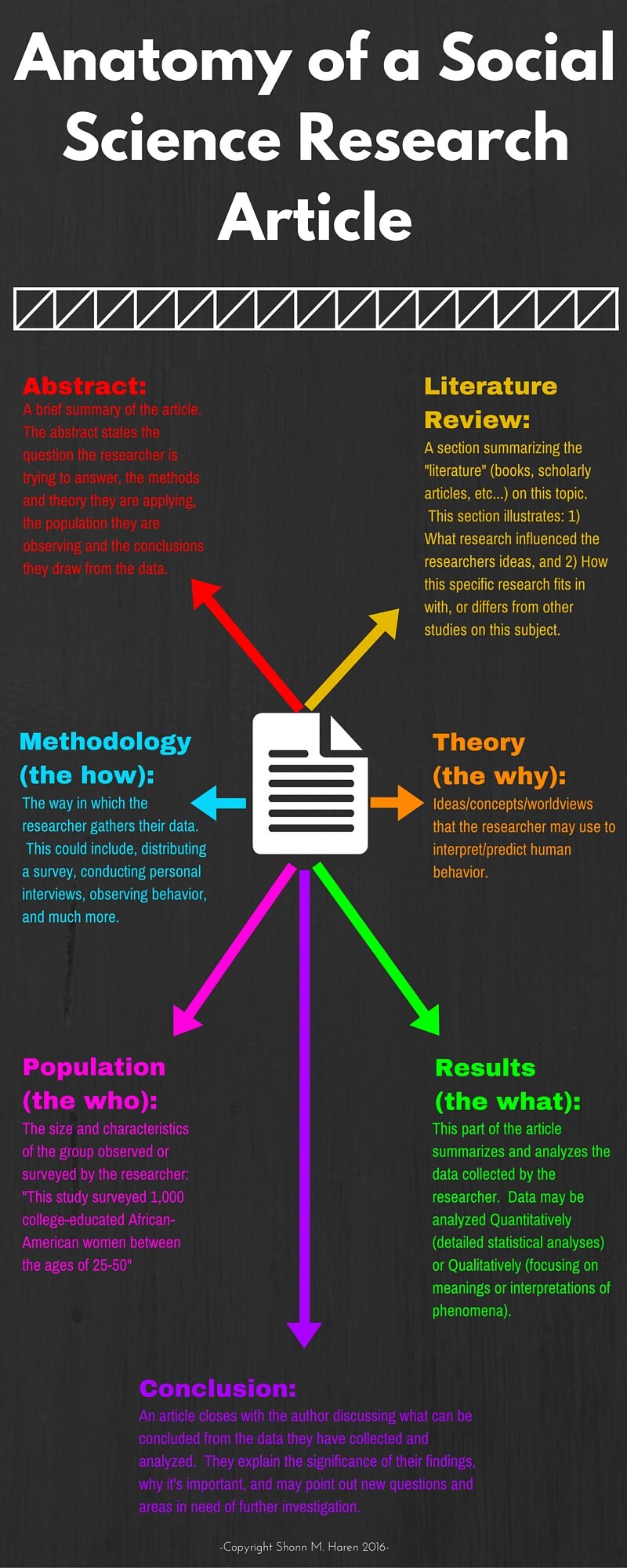
Scientific articles can feel dense and intimidating, but they aren't written to be confusing. In fact, most follow a standard formula to make them easier to navigate. This structure is often called IMRAD, which stands for Introduction, Methods, Results, and Discussion.
Most academic research papers follow a standard framework, often summarized as IMRaD: Introduction, Methods, Results, and Discussion.
Once you understand the purpose of each section, you can read any paper more efficiently, knowing exactly where to look for specific information. Let's break down the typical parts of a research paper.
The Beginning
Before you even get to the main course of IMRAD, you'll encounter the Abstract. Think of it as the movie trailer for the paper. It’s a short summary—usually just a paragraph—that gives you the highlights of the entire study: the purpose, key methods, main findings, and the major conclusion. Reading the abstract first helps you quickly decide if the rest of the paper is relevant to your interests.
Next comes the Introduction. This section sets the stage. It starts broad by providing the background information needed to understand the topic. It explains why the research is important and what we already know about the subject. Crucially, the introduction narrows down to the specific research question or hypothesis the authors are investigating. It answers the question: Why was this study done?
The 'How' and 'What'
The Methods section is the recipe of the research. It provides a detailed, step-by-step description of how the study was conducted. This includes who or what was studied, what materials were used, and the procedures that were followed. The goal is to provide enough information so that another scientist could, in theory, replicate the study exactly. This section answers the question: What did the researchers do?
Think of the methods section as a blueprint. It lays out the exact plan the researchers followed to get their results.
After the 'how' comes the 'what'. The Results section presents the findings of the study, plain and simple. It's a straightforward report of the data the researchers collected. You'll often find tables, graphs, and figures here that visualize the data. This section is purely descriptive; it shows what was found without interpreting the meaning. It answers the question: What did the researchers find?
Making Sense of It All
The Discussion is where the authors interpret their findings. They explain what the results mean and how they relate back to the original research question from the introduction. They might compare their findings to previous studies, discuss the implications of their work, and suggest directions for future research. This is the section that answers the big question: What does it all mean?
Finally, every scientific paper ends with a References section. This is a complete list of all the other studies and sources that were cited in the paper. This isn't just about giving credit where it's due. It also provides a roadmap for readers who want to dig deeper into the topic and read the background research for themselves.
Now that you know the basic layout of a scientific paper, let's test your understanding.
If you want to understand the broader significance of a study's findings and how they fit into the existing body of knowledge, which section should you read?
The acronym IMRAD stands for Introduction, Methods, Results, and ____.
Understanding this structure is the first step to reading scientific literature with confidence. With practice, you'll be able to navigate any paper quickly and effectively.