Mastering Scientific Papers
Understanding Scientific Papers
Anatomy of a Research Paper
Scientific papers are the primary way researchers share their work with the world. Think of them as a detailed story of a scientific journey, from a starting question to a final discovery. They create a permanent record of new knowledge, allowing other scientists to learn from, build upon, and even challenge the findings.
Reading a research paper can feel intimidating at first. They are dense and full of specialized language. But once you understand their structure, they become much easier to navigate. Most papers follow a standard format that helps you know exactly where to look for specific information.
When you begin reading a scientific research article, you'll want to remember that each section of the article has a distinct purpose.
This predictable structure ensures that the story of the research is told in a logical, clear, and consistent way, no matter the field of study.
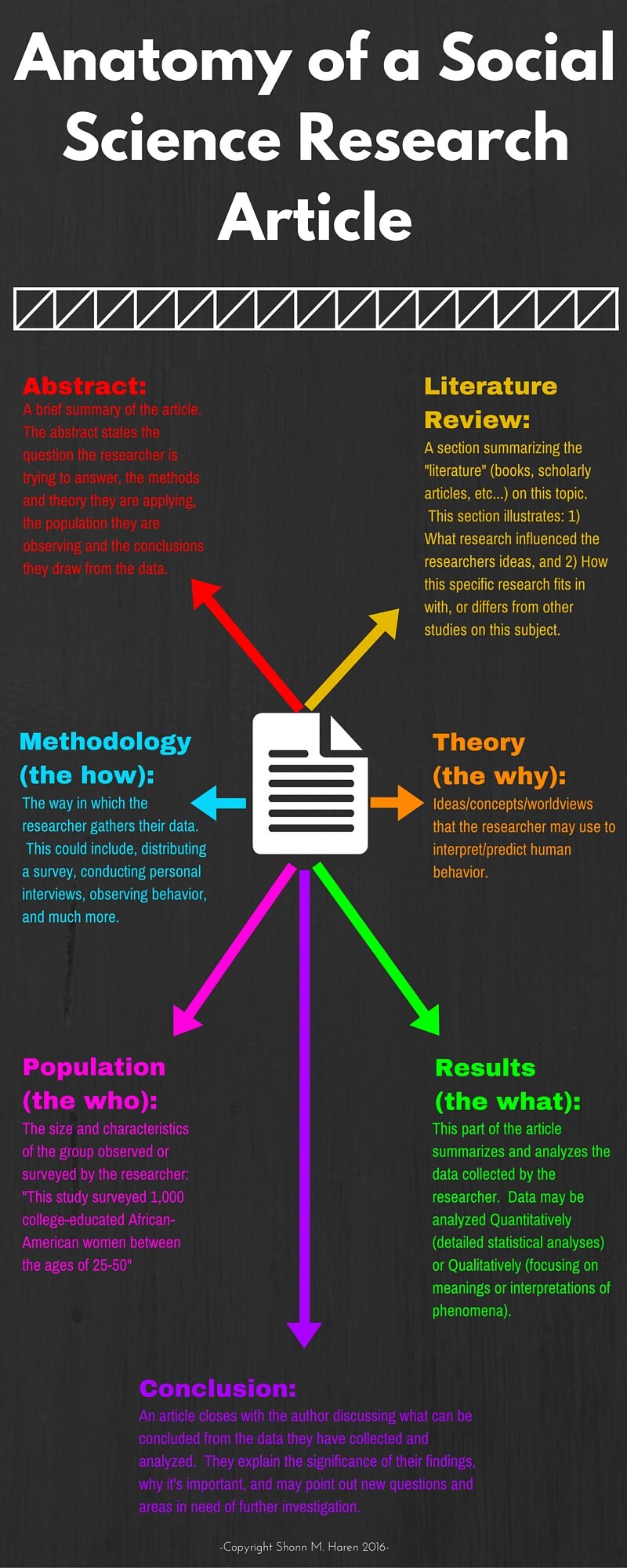
The Standard Sections
Let's break down the key parts of a typical scientific paper. This common format is often referred to by the acronym IMRaD: Introduction, Methods, Results, and Discussion.
Title & Abstract: The title gives you a quick preview of the paper's topic. The abstract is a short summary of the entire article—the research question, the key methods, the main findings, and the conclusion. It helps you decide if the paper is relevant to your interests without having to read the whole thing.
Introduction: This section sets the stage. It provides background information on the topic, explains why the research is important, and clearly states the specific question or hypothesis the authors are investigating. It answers the question, "What problem was studied?"
Methods: Here, the researchers detail exactly how they conducted their study. This section is like a recipe, providing enough information for another scientist to replicate the experiment. It describes the participants, materials, and procedures used. It answers, "How was the problem studied?"
Results: This is where the authors present their findings, usually with tables, graphs, and figures. The results section states what was found in the experiment, but it doesn't interpret those findings. It's a straightforward presentation of the data, answering the question, "What were the findings?"
Discussion: In the discussion, the researchers interpret their results. What do the findings mean? How do they relate to the original hypothesis? They also discuss any limitations of the study and suggest directions for future research. This section answers, "What do these findings mean?"
References: Finally, the references section lists all the other scientific articles and sources that were cited in the paper. This gives credit to other researchers and provides a trail for readers who want to explore the topic further.
| Section | Purpose |
|---|---|
| Title | Briefly states the paper's topic. |
| Abstract | Summarizes the entire paper. |
| Introduction | Provides background and states the research question. |
| Methods | Explains how the study was done. |
| Results | Presents the data and findings without interpretation. |
| Discussion | Interprets the results and discusses their implications. |
| References | Lists all sources cited in the paper. |
The Gatekeepers of Science
Before a scientific paper is published in a reputable journal, it goes through a crucial quality control process called peer review. This is where the paper is sent to other experts in the same field for evaluation.
These experts, or "peers," anonymously review the research. They check the methodology, analyze the results, and assess the validity of the conclusions. Their job is to ensure the research is sound, original, and significant. They provide feedback to the authors, who may need to revise their paper based on the reviewers' comments. This back-and-forth process can happen several times.
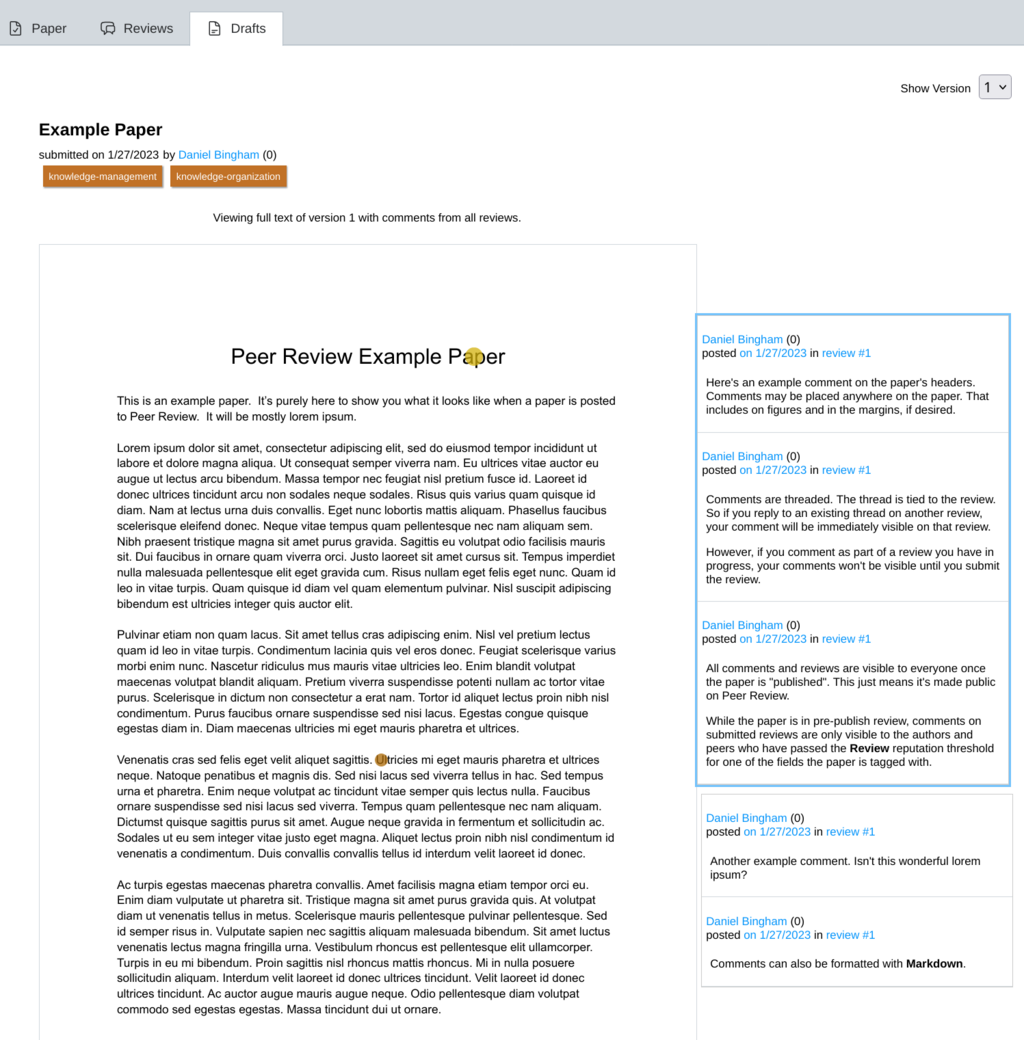
Peer review acts as a filter, helping to separate good science from flawed or weak research. It doesn't guarantee a paper is perfect, but it does mean the work has been scrutinized by knowledgeable experts and meets the standards of the scientific community. This process is fundamental to maintaining the credibility and integrity of scientific literature.
Understanding this structure and the review process behind it is the first step to confidently navigating the world of scientific research.