Mastering Scientific Paper Comprehension
Understanding Scientific Papers
The Blueprint of a Paper
Scientific papers can seem dense and intimidating. But once you understand their structure, they become much easier to navigate. Most papers aren't written like a mystery novel; they lay out the information in a predictable way so readers can find what they need quickly.
Most research papers follow a similar format (IMRAD).
This standard structure is known as IMRAD, which stands for Introduction, Methods, Results, and Discussion. Each section has a specific job to do.
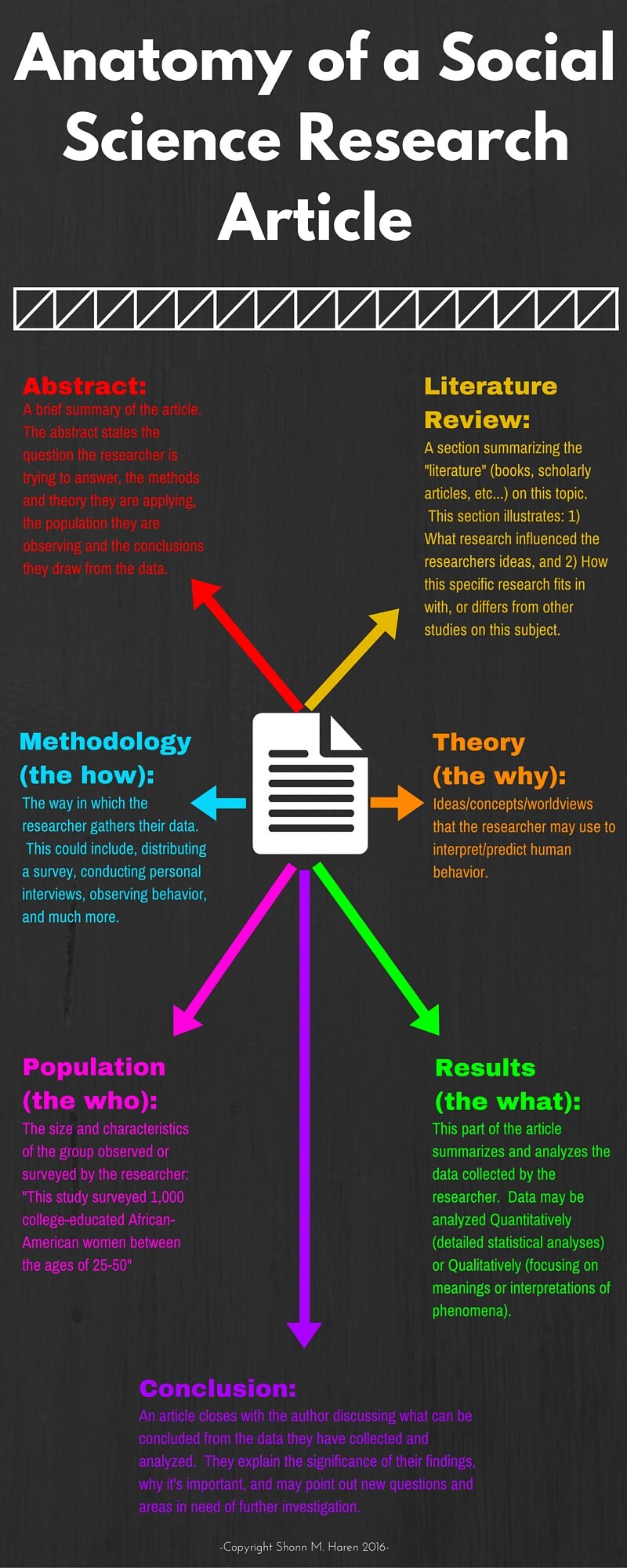
The IMRAD Sections
Introduction: Why did they do it? This section sets the stage. It gives background information on the topic, explains why the research is important, and identifies the specific question the authors are trying to answer. It ends by stating the hypothesis—the specific prediction the researchers are testing.
Methods: How did they do it? Think of this as the recipe for the experiment. The Methods section describes exactly what the researchers did, step-by-step. It includes details about the participants, materials, and procedures. The goal is to provide enough information so that another scientist could replicate the study to see if they get the same results.
Results: What did they find? Here, the authors present the data they collected. This section is a straightforward report of the findings, without any interpretation or explanation. You’ll often find tables, graphs, and charts here that summarize the data. The text simply describes what these visuals show.
Discussion: What does it all mean? This is where the authors interpret their findings. They explain what the results mean in the context of their original question. They’ll also discuss the study's limitations, compare their findings to other research, and suggest what questions could be explored next. It's the section where the story comes together.
| Section | Key Question | Purpose |
|---|---|---|
| Introduction | Why? | Provides context and states the research question. |
| Methods | How? | Explains the experimental procedure. |
| Results | What? | Presents the raw data and findings. |
| Discussion | So what? | Interprets the results and discusses implications. |
The Quality Check
Before a scientific paper is published in a reputable journal, it goes through a crucial process called peer review. This means the paper is sent to several other experts in the same field who anonymously evaluate it.

These reviewers, or "peers," check the study's methods, assess the validity of the results, and ensure the conclusions are supported by the data. They provide feedback to the author, suggesting revisions or sometimes recommending that the paper be rejected if it has serious flaws.
Peer review isn't perfect, but it acts as a critical filter. It helps maintain high standards of quality and credibility in scientific literature, ensuring that published work is accurate, logical, and original.
Let's review these key concepts before we move on.
Now, test your understanding of how scientific papers are structured and validated.
What does the acronym IMRAD stand for in the context of a scientific paper's structure?
If you wanted to understand the authors' interpretation of their findings and what they mean, which section would you read?
Understanding this basic structure is the first step to confidently reading and interpreting scientific research.