Mastering Scientific Paper Comprehension
Understanding Scientific Paper Structure
The Anatomy of a Research Paper
Scientific papers can feel intimidating, but they aren't written to be confusing. Nearly all of them follow a predictable structure that makes finding information much easier once you know the layout. It's like learning the sections of a newspaper. Once you know where to find the sports scores, you can flip right to them.
Most academic research papers follow a standard framework, often summarized as IMRaD: Introduction, Methods, Results, and Discussion.
This structure, called IMRaD, tells a logical story. It starts with the big picture, zooms into the specifics of the study, and then zooms back out to discuss the implications. Let's walk through each part.
The Abstract
Before you even get to the main paper, you'll see the abstract. This is a short, standalone summary of the entire article, usually around 150-300 words. It’s designed to give you a quick overview so you can decide if the full paper is relevant to you.
Think of the abstract as the movie trailer for the research. It hits all the major points without giving away every detail.
A good abstract briefly answers four key questions:
- Why? What problem was the research trying to solve?
- How? What methods were used to investigate the problem?
- What? What were the most important findings?
- So what? What is the main takeaway or conclusion?
The Main Story (IMRaD)
After the abstract comes the full paper, which is typically broken into four core sections.
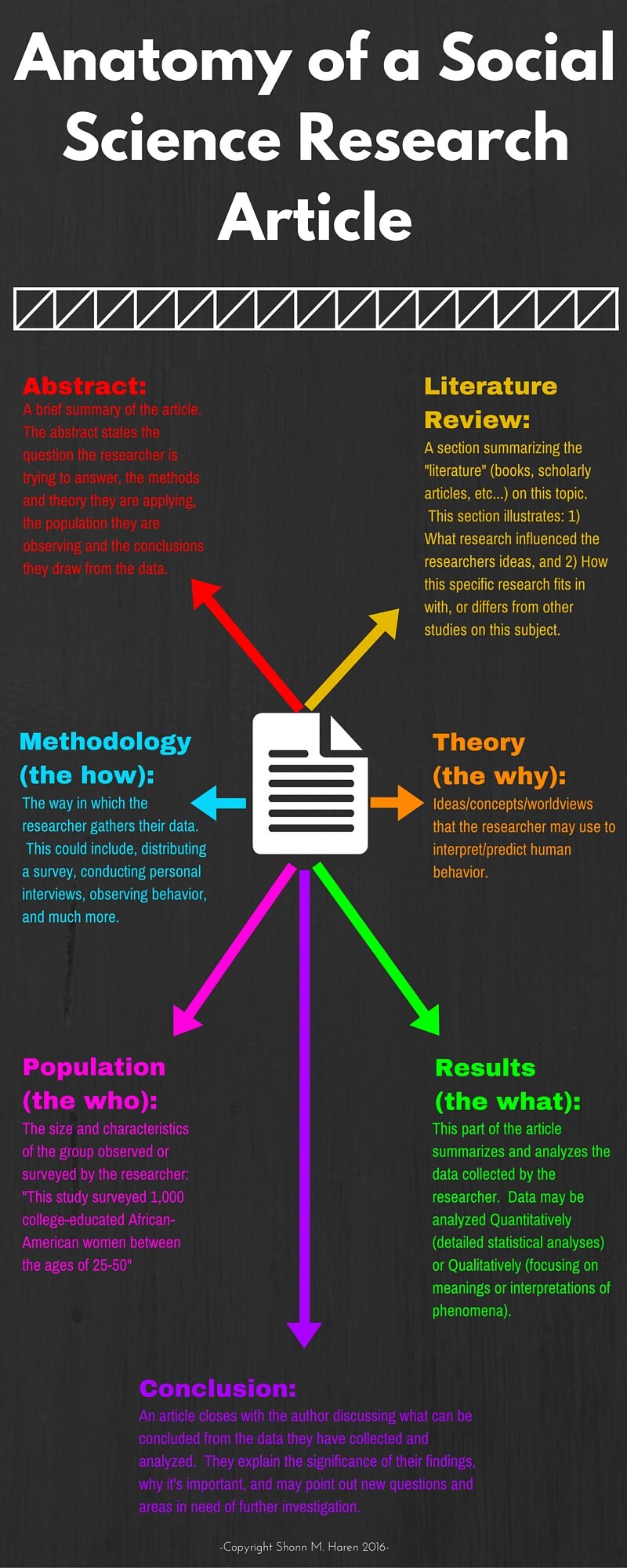
Introduction
The introduction sets the stage for the research. It starts broad by providing background information on the topic, explaining what is already known. It then narrows down to identify a specific gap in knowledge or an unanswered question. Finally, it clearly states the research question or hypothesis the study will address. It answers the question: What was the problem?
Methods
This section is the recipe book for the study. It describes exactly how the research was conducted, including the materials, procedures, and techniques used. The goal is to provide enough detail so that another researcher could, in theory, replicate the study and get a similar result. The Methods section answers the question: How was the problem studied?
The details matter here. Was it a lab experiment, a survey, or an analysis of existing data? This section tells you.
Results
Here, the authors present their findings without any interpretation or commentary. It’s a straightforward report of the data they collected. This section often contains figures, tables, and graphs to display the data visually. It sticks to the facts and answers the question: What was found?
Discussion
If the Results section is the what, the Discussion section is the so what?. This is where the authors interpret their findings, explain what they mean, and connect them back to the original research question. They might compare their results to previous studies, acknowledge any limitations of their own study, and suggest directions for future research. It answers the question: What do the findings mean?
The Final Pieces
Rounding out the paper are a few essential components that give credit and provide context.
References
noun
A list of all the sources, such as other papers and books, that the authors cited in their article.
The reference list, sometimes called a bibliography, is crucial for a few reasons. It shows that the authors have done their homework and are building on existing knowledge. It also gives credit to other researchers for their work and provides you with a path to explore the topic further by reading the sources they used.
Knowing this structure turns reading a scientific paper from a chore into a focused search for information. You can jump to the Methods section to check the study design or read the Discussion to understand the key takeaways, allowing you to read more efficiently and effectively.
What is the primary purpose of the IMRaD structure in scientific papers?
In which section would you find a detailed, step-by-step description of how the research was conducted, sufficient for another scientist to replicate the study?