Mastering Scientific Paper Comprehension
Scientific Paper Structure
The Blueprint of a Paper
Scientific papers can feel dense and intimidating, but they almost always follow a predictable pattern. This structure acts like a roadmap, helping you find the information you need quickly. Once you learn the layout, you can navigate any paper with confidence.
Most academic research papers follow a standard framework, often summarized as IMRaD: Introduction, Methods, Results, and Discussion.
This IMRAD structure organizes the research into a logical story. Let's break down what each part does.
Introduction: Why this study?
The Introduction sets the stage. It starts broad by providing the background information a reader needs to understand the topic. It explains what is already known about the subject and, crucially, what isn't known. This gap in existing knowledge is what motivates the research.
Think of this section as the setup for the story. It funnels down from the general topic to a very specific research question or hypothesis the authors are trying to answer. After reading the introduction, you should have a clear idea of why the study was conducted and what the researchers aimed to find out.
The Introduction answers the question: Why does this research matter?
Methods: How was it done?
The Methods section is the technical recipe for the entire study. It describes exactly how the research was performed, step by step. The goal is to provide enough detail that another scientist could, in theory, replicate the experiment.
This section explains the design of the study, who or what was studied (e.g., human participants, cell cultures, historical documents), what materials were used, and the procedures that were followed. It also describes how the data was analyzed, often naming specific statistical tests. You don't need to understand every technical detail, but you should be able to get a general sense of the authors' approach.
Results: What was found?
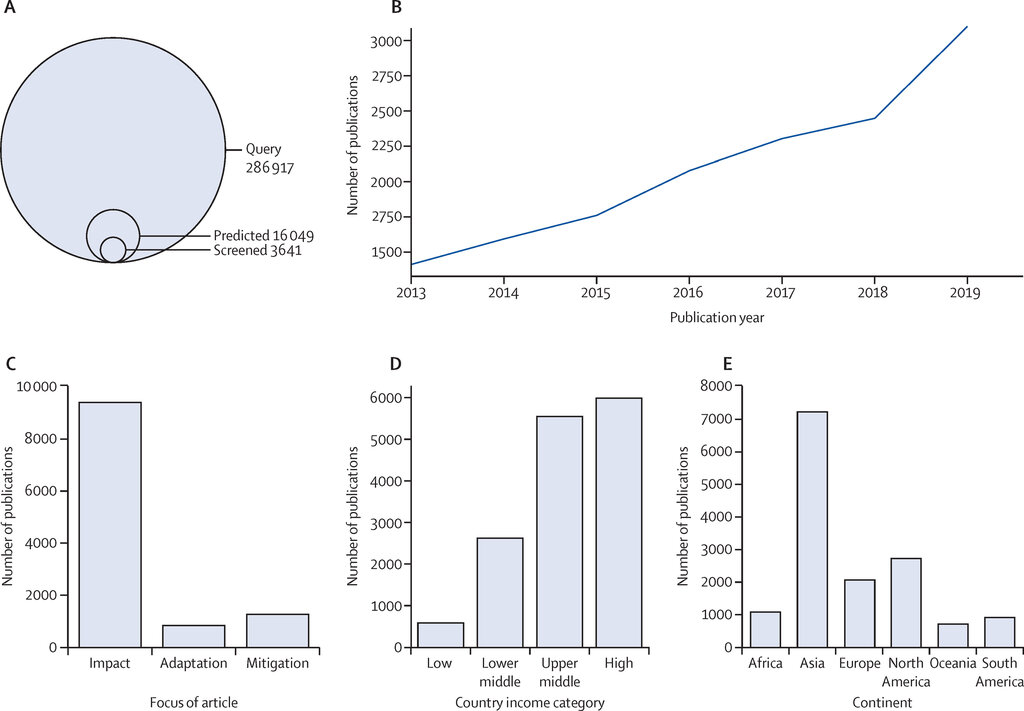
This section presents the findings of the study, plain and simple. It's a straightforward reporting of the data that was collected, without any interpretation or explanation of what it might mean. This is where you will find the facts and figures, often displayed in tables, charts, and graphs.
The text in the Results section guides the reader through these visuals, pointing out the key findings. For example, it might say, "Group A showed a significantly higher response than Group B," and then direct you to a specific figure that illustrates this point. It presents the what before the so what.
Discussion: What does it mean?
The Discussion is where the authors interpret their findings and explain their significance. They circle back to the research question posed in the Introduction and explain how their results help answer it. Here, they move beyond the raw data to explore the implications of their work.
In this section, authors will often compare their results to those from previous studies, discuss any unexpected findings, and acknowledge the limitations of their own research. It usually concludes by suggesting what the next steps in this line of research might be. The Discussion is where the story comes together and the authors explain what they think their findings contribute to the field.
| Section | Purpose |
|---|---|
| Introduction | Why was the study done? (The question) |
| Methods | How was the study done? (The recipe) |
| Results | What did the study find? (The facts) |
| Discussion | What do the findings mean? (The interpretation) |
Understanding this IMRAD structure is the first step to reading scientific literature efficiently. It allows you to know exactly where to look for specific information, whether it's the main finding, the methods used, or the researchers' interpretation.