Mastering Scientific Paper Analysis
Understanding Research Questions
Finding the 'Why'
Every scientific paper is on a mission. At its heart, it's trying to answer a single, specific question. This is the central research question, and it's the engine that drives the entire study. Think of it as the destination on a map; without it, the journey is aimless. Your first job as a reader is to find this destination.
Ask yourself: What problem is this research trying to solve? Why does answering this question matter?
You'll almost always find the research question in the Introduction section. Authors use this space to set the stage. They summarize what is already known about a topic and then point to a specific piece of the puzzle that's missing. This is often called a "gap" in the literature. The research question is designed to fill that gap.
Is the Question a Good One?
Once you've identified the question, the next step is to evaluate it. Not all questions are created equal. A strong research question is focused, specific, and, most importantly, significant. It doesn't just add one more drop to an ocean of data; it aims to change our understanding in a meaningful way.
Assessing significance means asking what the stakes are. Does the answer to this question solve a practical problem, like finding a more effective medical treatment? Does it challenge a long-held theory? Or does it open up a whole new avenue for future research? The more impact the answer could have, the more significant the question.
Context Is Everything
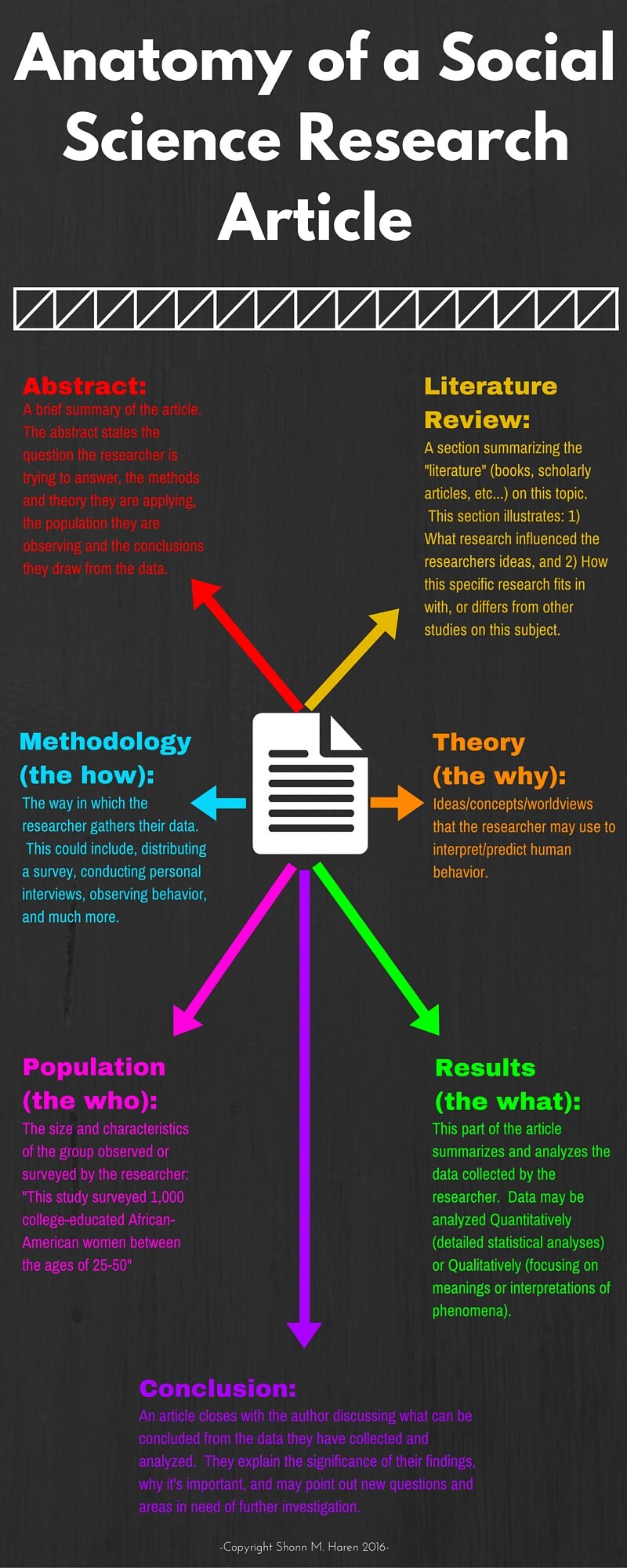
A research question never appears out of thin air. It's born from all the research that came before it. The literature review section of a paper isn't just a list of previous studies; it's a carefully constructed argument. It builds a case, piece by piece, to show why the central research question is the logical next step for the field.
Identifying gaps in existing research is crucial to informing your own research question.
By understanding how the authors position their question within this existing body of work, you can see its relevance. They are joining a conversation that has been going on for years, and their question is their unique contribution to that dialogue. A well-contextualized question shows that the authors have done their homework and understand where their work fits in the grand scheme of things.
| Question Checklist | Description |
|---|---|
| Is it clear? | Can you state the question in a single, simple sentence? |
| Is it focused? | Does it target a specific issue, or is it too broad? |
| Is it significant? | If answered, would it make a real difference to the field? |
| Is it contextualized? | Do the authors clearly show how it builds on past research? |
Now, let's test your ability to spot a good research question.
In which section of a scientific paper is the central research question most often explicitly stated?
What is the primary function of a central research question in a scientific study?
Identifying and evaluating the research question is the first major step in critically reading any scientific paper. With this foundation, you're ready to understand the rest of the study.