Mastering Scientific Literature
Understanding Scientific Papers
The Blueprint of Discovery
Scientific papers can feel intimidating, packed with dense information and technical language. However, most of them follow a consistent and logical structure. This isn't just a tradition; it's a framework designed to clearly communicate a research story from start to finish. Think of it as a blueprint that guides you through the process of discovery.
The most common structure is known by the acronym IMRaD: Introduction, Methods, Results, and Discussion. Understanding the purpose of each section turns a daunting document into a navigable map.
The Start of the Story
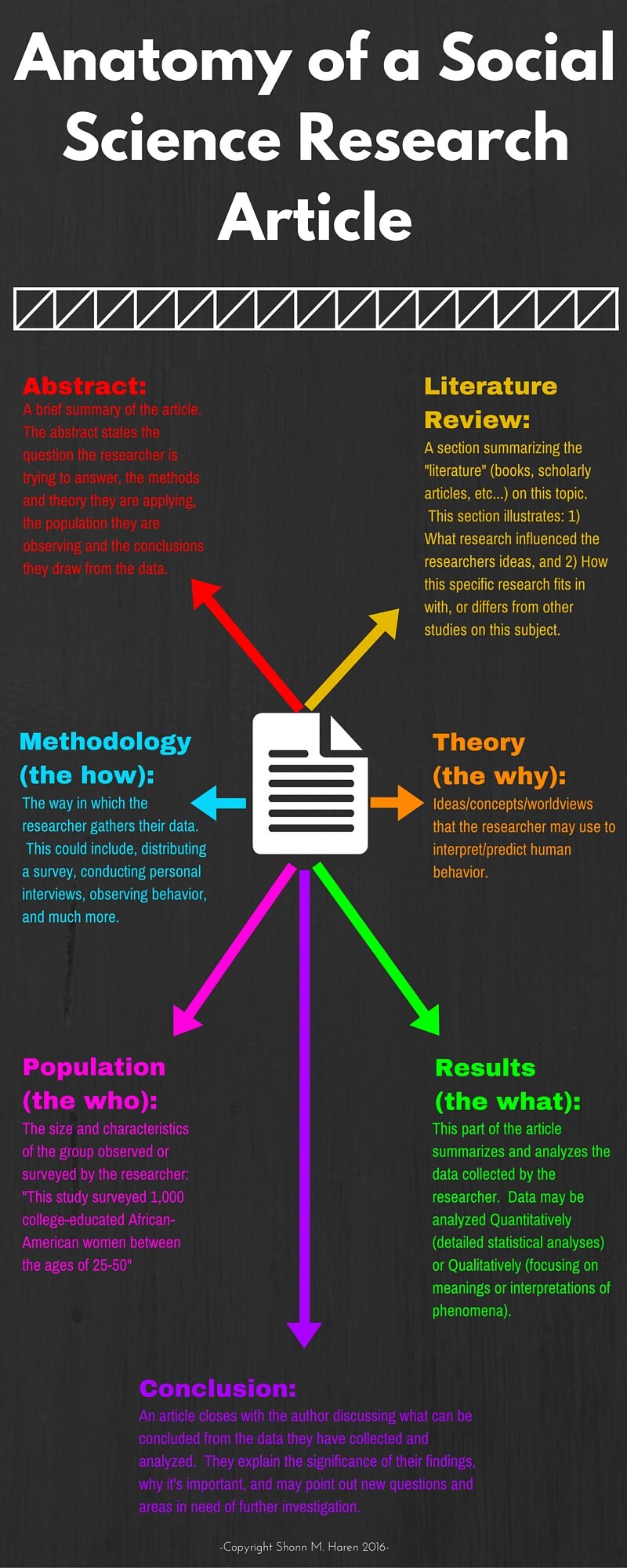
Before you dive into the main body, you'll encounter the Abstract. This is the paper's executive summary, usually around 250 words. It provides a condensed overview of the entire study: the core problem, the main methods used, the most important findings, and the key conclusion. It's designed to help you quickly decide if the full paper is relevant to your interests.
Always start with the Abstract. It’s your first filter to decide whether to invest time in reading the full paper.
Next comes the Introduction. This section sets the stage for the research. It starts broad by providing background information on the topic, funneling down to identify a specific gap in the current body of knowledge. The introduction answers the crucial question: "Why was this study necessary?"
It establishes the context, reviews what other researchers have already discovered, and then clearly states the research question, hypothesis, or objective of the present study. A good introduction convinces you that the research question is important and worth investigating.
The How and The What
The Methods section is the technical core of the paper. It's a detailed, step-by-step account of how the researchers conducted their study. Think of it as a recipe. It should contain enough information for another scientist to replicate the experiment and, in theory, get the same results. This transparency is a cornerstone of the scientific process, ensuring that findings can be verified.
This section describes the materials used, the participants or subjects involved, the experimental procedures, and the statistical techniques used to analyze the data. You don't always need to understand every detail, especially on a first read, but you should grasp the overall approach.
Following the Methods is the Results section. This is a straightforward, objective presentation of what the researchers found. The findings are delivered without any interpretation or speculation. This section presents the raw data, often summarized in tables, graphs, and figures.
The text in the Results section guides you through these visuals, pointing out the key findings and statistical outcomes. It's where the data speaks for itself, answering the question, "What did the experiment reveal?"
Making Sense of It All
The Discussion section is where the authors interpret their findings and explain their significance. If the Results section tells you what was found, the Discussion tells you what it means. Here, the authors connect their results back to the research question posed in the Introduction. They explain how their findings fit in with, challenge, or add to existing knowledge in the field.
This is often the most insightful part of the paper. Authors will also acknowledge any limitations of their study—no study is perfect—and may suggest directions for future research. The Discussion provides the answer to the big "So what?" question.
Finally, the Conclusion wraps things up. Sometimes it's a separate section, and other times it's the final paragraph of the Discussion. It provides a concise take-home message, summarizing the most important findings and their implications without introducing new information.
By understanding this structure, you can read papers more efficiently. You know where to look for the research question, how the study was done, what was found, and what it all means. This framework turns reading a scientific paper from a passive act into an active investigation.
What does the acronym IMRaD, a common structure for scientific papers, stand for?
In which section would you find background information, a review of existing research, and the specific research question the paper aims to answer?