Mastering Scientific Literature
Understanding Scientific Papers
The Blueprint of a Scientific Paper
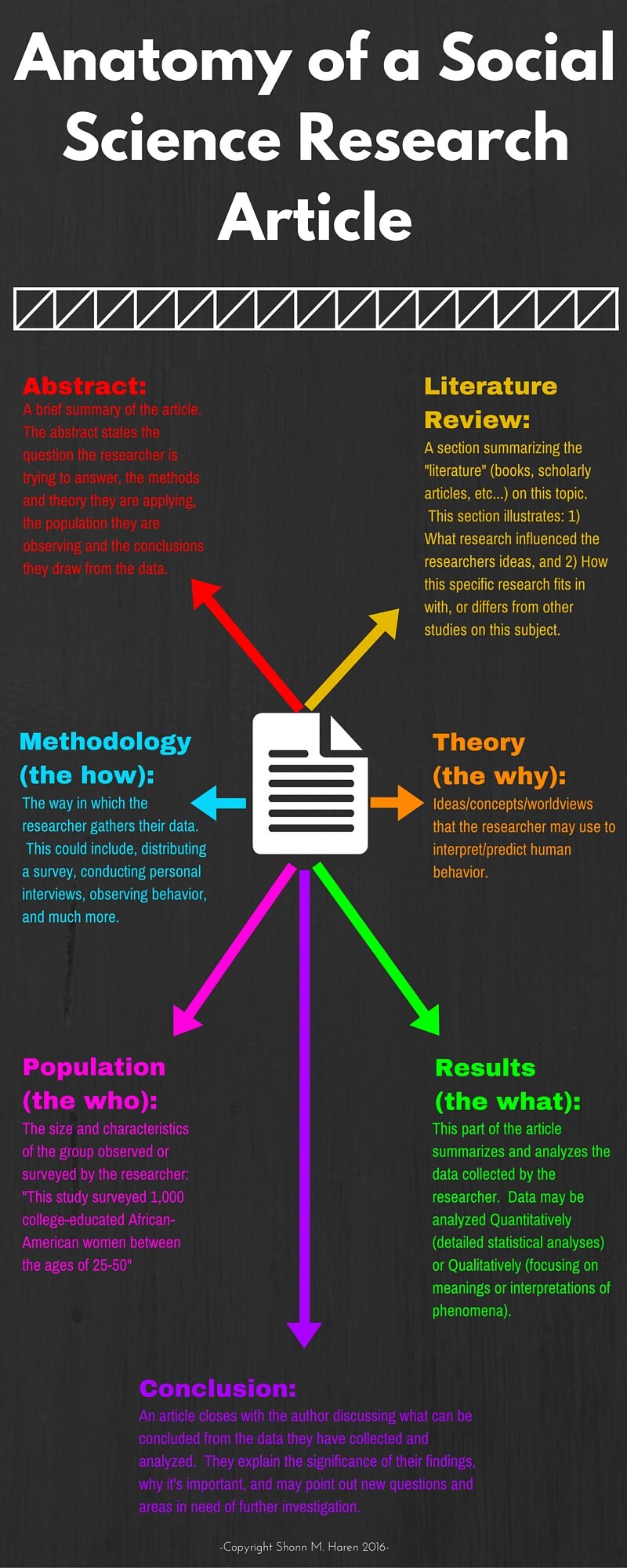
Scientific papers can look dense and intimidating, but they almost always follow a logical, predictable structure. This structure helps you know exactly where to find specific information, whether it's the researcher's main question, how they tested it, or what they discovered. Think of it as a standard blueprint for sharing knowledge.
Most academic research papers follow a standard framework, often summarized as IMRaD: Introduction, Methods, Results, and Discussion.
This IMRaD format tells a complete story. It starts with the context, explains the process, presents the findings, and finally, interprets the meaning. Let's break down what each part does.
The IMRaD Sections
Introduction: Why did they do this study? The introduction sets the stage. It starts broad by explaining the existing knowledge on a topic and then narrows down to identify a problem, a gap in understanding, or an unanswered question. It's here that the authors state their research question or hypothesis—what they aimed to find out. This section answers the "why" of the research.
Methods: How did they do it? This is the recipe section. It describes in detail the procedures, tools, and materials used to conduct the experiment or study. The goal is to provide enough information for another researcher to replicate the study. It covers who or what was studied, what measurements were taken, and how the data was analyzed. This section is all about the "how."
Results: What did they find? The results section presents the data and findings of the study, without interpretation or opinion. It's a straightforward report of the facts, often using tables, charts, and graphs to display the data clearly. This section sticks strictly to the "what."
Discussion: What does it all mean? Here, the authors interpret their findings. They explain the significance of the results, connect them back to the original question from the introduction, and compare them to previous research. They also acknowledge any limitations of their study and may suggest directions for future research. This is the "so what?" section, where the data is given meaning.
The All-Important Abstract
Before you even get to the introduction, you'll see the abstract. The abstract is a short, powerful summary of the entire paper.
Think of the abstract as the movie trailer for the research paper. It gives you a snapshot of the key points from each IMRaD section, allowing you to quickly decide if the full paper is relevant to your interests.
A good abstract briefly covers the background (Introduction), what was done (Methods), the key findings (Results), and the main takeaway (Discussion). It's the most important paragraph of the entire article, because it's often the only part many people will read.
Now that you know the basic structure, let's see if you can identify the purpose of each section.
What is the primary purpose of the abstract in a scientific paper?
If you wanted to understand the broader implications of a study's findings and what they mean, which section should you read?
Understanding this structure is the first step to reading scientific literature efficiently and effectively. It turns a wall of text into a navigable map.