Mastering Scientific Literature
Understanding Scientific Papers
Decoding Scientific Papers
Scientific papers are the primary way researchers share their findings with the world. Think of them as a detailed report from the front lines of discovery. They aren't just articles; they are carefully structured arguments, presenting evidence to support a new claim. Understanding their structure is the key to unlocking the knowledge inside.
Most academic research papers follow a standard framework, often summarized as IMRaD: Introduction, Methods, Results, and Discussion.
While this IMRaD format is the core, a few other sections bookend the paper. Let's walk through the full anatomy of a typical research article, from top to bottom.
The Anatomy of a Paper
Nearly all scientific papers follow a consistent structure. Each section has a specific job to do. Knowing what to expect makes reading them much easier.
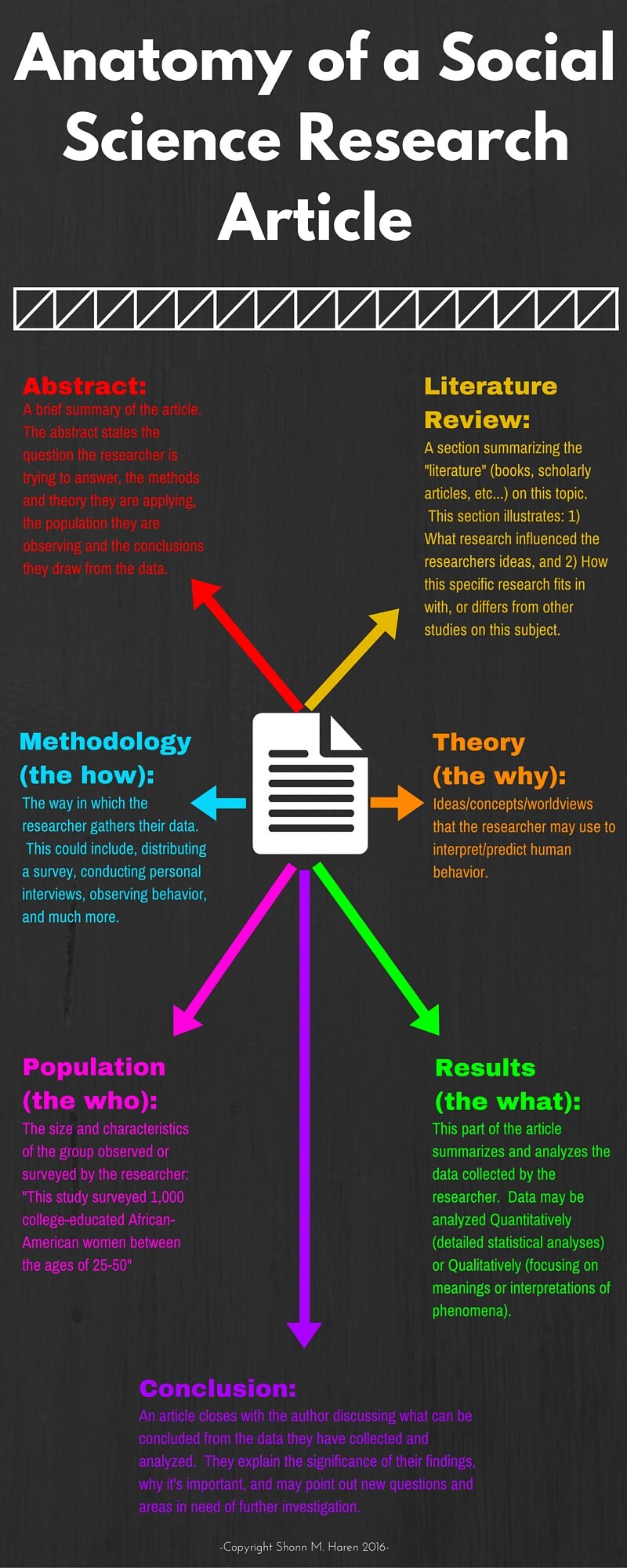
Title: This is a short, specific summary of the paper's topic. It should give you a clear idea of the main subject.
Abstract: The abstract is a condensed version of the entire paper. It briefly covers the study's purpose, methods, key findings, and main conclusion. It’s your first stop to decide if the paper is worth reading in full.
Introduction: This section sets the stage. It starts with broad background information, narrows down to the specific problem the research addresses, and explains why the work is important. It usually ends by stating the research question or hypothesis.
Methods: Here, the authors describe exactly what they did. This section is like a recipe. It should be detailed enough for another scientist to replicate the study. It explains the materials used, the design of the experiment, and how the data was collected and analyzed.
Results: This is a straightforward presentation of the findings. It reports the data, often using tables, graphs, and figures, but without any interpretation. It answers the question, "What did you find?" not "What does it mean?"
Discussion: Now comes the interpretation. In the discussion, the authors explain what their results mean. They connect their findings back to the question posed in the introduction, discuss how their work fits with previous research, and acknowledge any limitations of their study. They might also suggest directions for future research.
References: This is a list of all the other scientific papers and sources that the authors cited in their work. It shows that they've done their homework and gives you a trail to follow if you want to read more about the topic.
A Strategy for Reading
You don't have to read a scientific paper from start to finish like a novel. In fact, it's often better not to. A strategic approach can save you time and improve your understanding.
Your goal isn't just to read the words, but to understand the story the research is telling.
Here’s a common and effective way to tackle a new paper:
-
Start with the Title and Abstract. This is your first filter. Does the paper seem relevant to your interests? If not, move on. If yes, you have a basic map of what’s ahead.
-
Read the Introduction, then skip to the Discussion. Reading the introduction gives you the context and the 'why' behind the study. Jumping straight to the discussion shows you the main conclusions and how the authors interpret their findings. If you understand these two sections, you'll have the big picture.
-
Dig into the Results and Methods. Once you have the main story, go back to the results. Look at the figures and tables. Do they support the authors' claims in the discussion? Then, if you need to understand the experiment in greater detail or are assessing the study's validity, read the methods section carefully.
-
Skim the References. This can be a great way to find other important papers on the topic.
Ready to test your knowledge? Let's see what you've learned about the structure and purpose of scientific papers.
Which section of a scientific paper provides a condensed summary of the entire study, including its purpose, methods, key findings, and conclusion?
If you wanted to replicate an experiment described in a paper, which section would be most crucial for you to read?
By understanding this structure and using a smart reading strategy, you can navigate scientific literature with confidence. You'll be able to quickly find the information you need and grasp the key contributions of each study.