Mastering Scientific Literature
Scientific Paper Structure
The Anatomy of a Paper
Scientific papers can look dense and intimidating, but they almost always follow a predictable structure. This standard format helps researchers and readers quickly find the information they need. Once you understand the layout, navigating any paper becomes much easier.
The most common structure is known by the acronym IMRaD.
Most academic research papers follow a standard framework, often summarized as IMRaD: Introduction, Methods, Results, and Discussion.
IMRaD stands for Introduction, Methods, Results, and Discussion. Let's walk through what each section does, starting from the very beginning.
The Abstract and Introduction
Before you dive into the main body of a paper, you'll encounter the abstract. This is a short, powerful summary of the entire article. It briefly covers the research question, the methods used, the key findings, and the main conclusion. Reading the abstract is the fastest way to decide if the paper is relevant to your interests.
Think of the abstract as the movie trailer for the research paper. It gives you the highlights and helps you decide if you want to see the whole film.
After the abstract comes the Introduction. This section sets the stage for the research. It starts broad by providing background information on the topic and then gradually narrows down to the specific problem the study addresses. The introduction answers the crucial question: Why was this study done?
It typically ends by stating the research question or the specific hypothesis the scientists set out to test.
The How and What
Next up are the Methods and Results sections. These two parts form the core of the research.
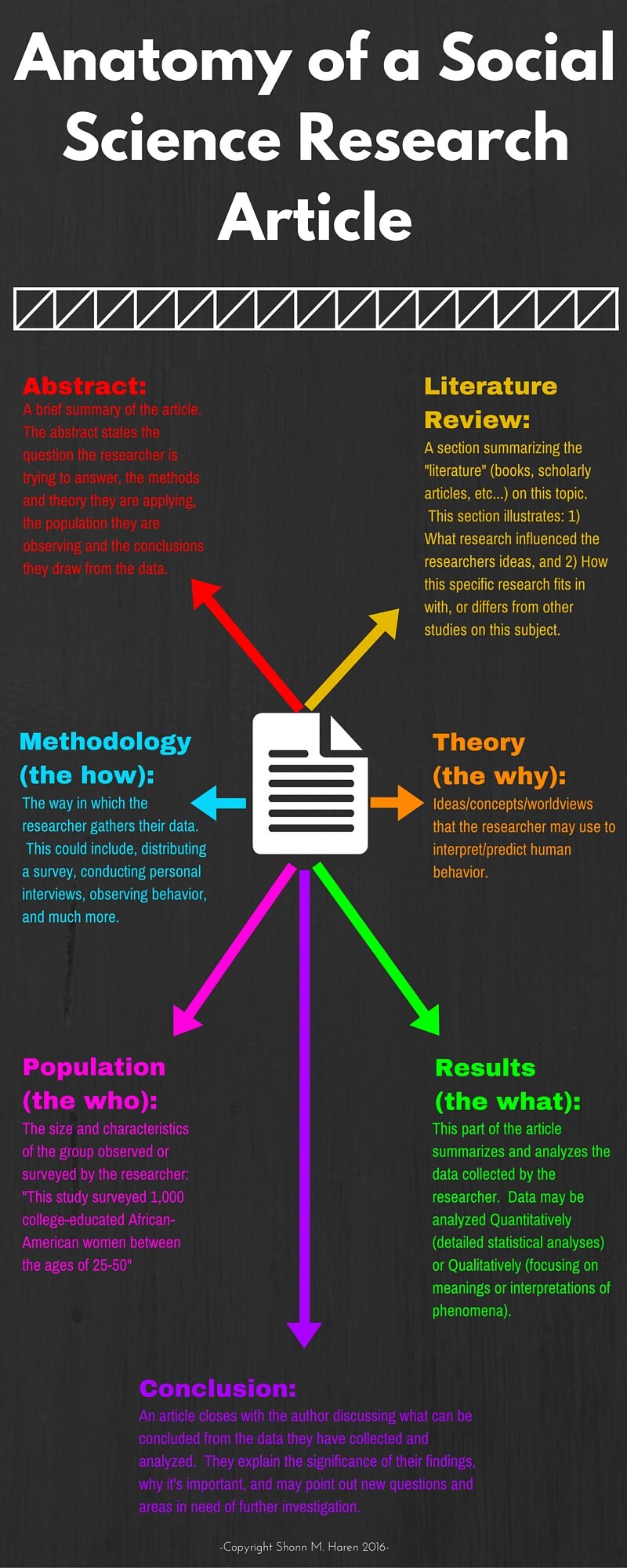
The Methods section is the recipe book for the study. It provides a detailed account of how the research was conducted. This includes who or what was studied, what equipment and materials were used, and the step-by-step procedures that were followed. The goal is to provide enough detail so that another researcher could, in theory, replicate the study to verify the findings.
The Methods section is the recipe for the study: it should provide enough information to replicate the study without looking elsewhere...
The Results section presents the findings of the study. It reports the data that was collected, often using tables, graphs, and figures to visualize the information. This section should be a straightforward, objective presentation of the facts. It tells you what the researchers found, without interpreting the meaning of those findings. That comes next.
Making Sense of It All
The final major sections are the Discussion and the Conclusion. This is where the authors interpret their findings and explain what they mean.
In the Discussion, the authors analyze their results. They explain how the findings answer the original research question and how they fit in with existing knowledge on the topic. They might compare their results to those of other studies, acknowledge any limitations of their own study, and suggest directions for future research. This section addresses the question: What do the results mean?
Finally, the paper ends with a Conclusion. This is a brief summary of the study's main takeaways. It restates the most important findings and emphasizes their significance. It's the final answer to the question posed in the introduction.
Ready to test your knowledge?
What does the acronym IMRaD stand for in the context of a scientific paper?
Which section of a paper provides a brief, powerful summary of the entire article, including the research question, methods, and key findings?
Understanding this structure is the first step to reading scientific literature with confidence. It provides a roadmap, helping you navigate complex information efficiently.