Mastering Scientific Literature
Introduction to Scientific Papers
The Blueprint of Discovery
Scientific papers are the primary way researchers share their work with the world. They aren't just reports; they're detailed arguments built on evidence. Think of a paper as a carefully constructed story that explains what a scientist asked, how they tried to answer it, what they found, and what it all means.
To make this communication clear and consistent, most papers follow a standard format. This structure helps readers, whether they're across the lab or across the globe, quickly understand the research and find the information they need.
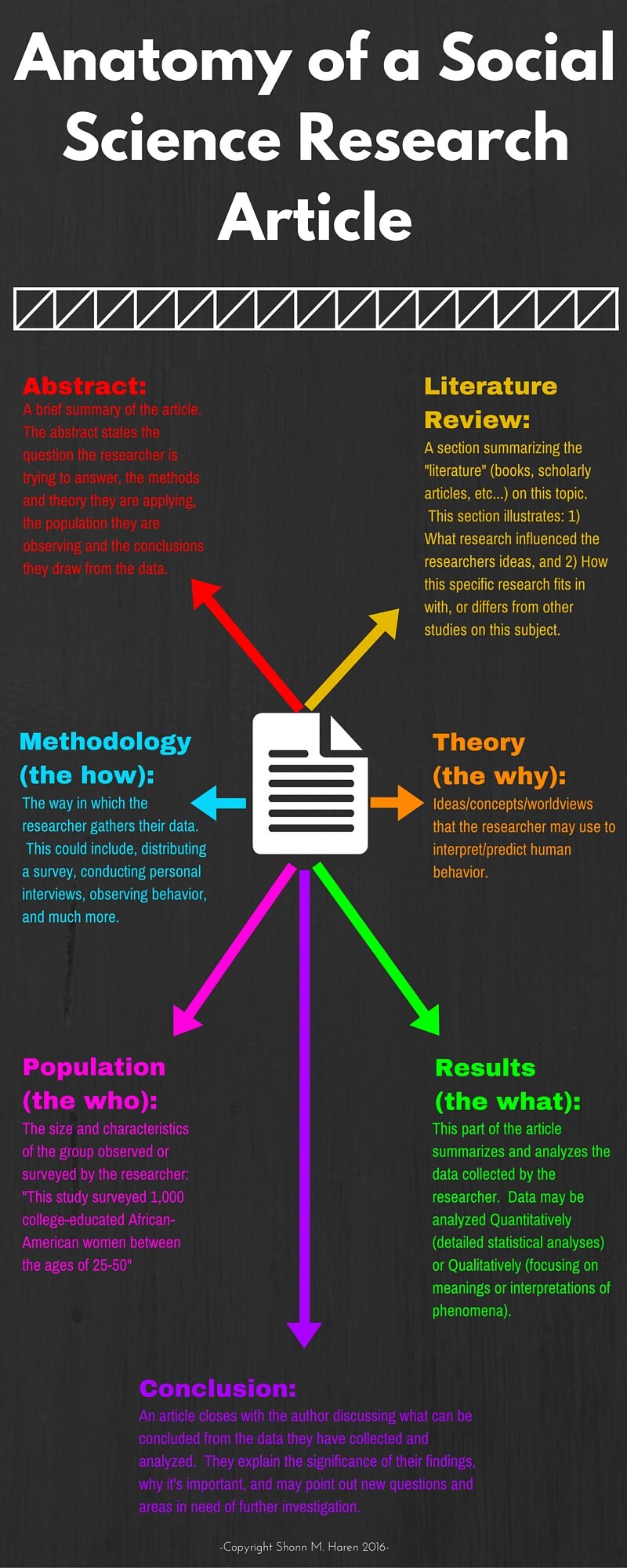
This common structure is often called IMRaD, which stands for Introduction, Methods, Results, and Discussion. Let's break down what each part does.
Anatomy of a Paper
Each section of a scientific paper has a specific job to do. Understanding their roles is the first step to reading these documents effectively.
Abstract
noun
A brief, comprehensive summary of the contents of the article.
The Abstract is a mini-version of the entire paper, usually packed into a single paragraph. It quickly covers the research question, key methods, main findings, and the overall conclusion. It's designed to give you the highlights without requiring you to read the whole thing.
The Introduction sets the stage. It starts broad by explaining the background of the research topic and why it's important. It then narrows down to identify a specific gap in current knowledge and states the precise question or hypothesis the study will address. It essentially answers the question, "Why did you do this study?"
The Methods section is the recipe. It provides a detailed account of how the research was conducted. This includes the materials used, the procedures followed, and the techniques for data analysis. The goal is transparency; another researcher should be able to read this section and replicate the study exactly.
Next comes the Results. This section presents the findings of the study without any interpretation. It's the raw data, often organized into tables, charts, and figures. The text in this section simply describes what was found, pointing out key observations. It answers the question, "What did you find?"
Finally, the Discussion section is where the authors interpret their findings. They explain what the results mean, how they relate back to the original research question, and how they fit in with what other researchers have found. This section also addresses the study's limitations and may suggest directions for future research. It tackles the big question: "So what?"
| Section | Primary Question it Answers |
|---|---|
| Abstract | What are the main points? |
| Introduction | Why was this study done? |
| Methods | How was the study done? |
| Results | What were the findings? |
| Discussion | What do the findings mean? |
Reading Strategically
Diving into a scientific paper from start to finish can be overwhelming. A more effective strategy is to read the sections out of order to get the big picture first.
Try reading your article out of order! Start with the abstract, and skim through the Introduction and the Conclusion (Don't see one? Read the Discussion instead.) Note the hypothesis and article findings.
By starting with the abstract, you get a quick summary. Jumping to the introduction helps you understand the context and purpose. Then, reading the discussion tells you the main takeaway and why it matters. If the paper still seems relevant and interesting after this initial pass, you can then go back to the methods and results for the finer details.
What is the primary purpose of the standard IMRaD structure in scientific papers?
Which section of a scientific paper primarily answers the question, "What did you find?"