Mastering Scientific Literature
Understanding Scientific Paper Structure
The Anatomy of a Research Paper
Diving into a scientific paper for the first time can feel like trying to read a map in a foreign language. The text is dense, the charts are complex, and it's hard to know where to start. The good news is that most research papers follow a standard, predictable structure. Once you understand this layout, you can navigate any paper with confidence.
Scientific papers can seem complicated, but they usually follow a similar template.
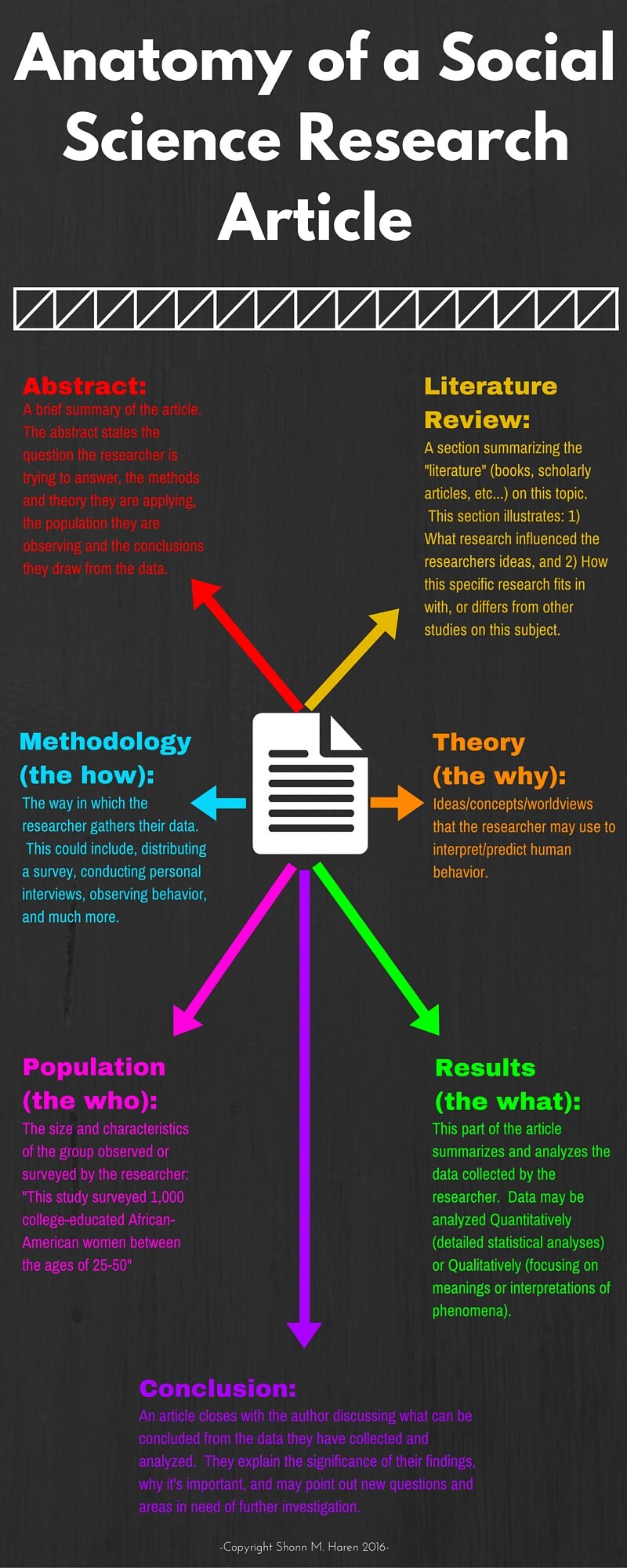
Think of it as a universal blueprint for presenting research. This standardized format, often called IMRaD, helps researchers communicate their work clearly and allows readers to find specific information quickly. Let's break down the typical sections you'll encounter.
The Abstract and Introduction
The first parts of a paper set the stage for everything that follows. They are designed to give you a quick overview and draw you into the study's main question.
Abstract
noun
A brief, comprehensive summary of the contents of the article.
The Abstract is your cheat sheet. In about 250 words, it summarizes the entire paper: the background, the question, the methods, the results, and the conclusion. Reading this section first is the most efficient way to determine if the rest of the paper is worth your time.
Following the abstract is the Introduction. This section acts like the opening scene of a movie. It starts by painting a broad picture of the research topic and explaining why it's important. Then, it narrows the focus, discussing what other researchers have already discovered and identifying a gap in the current knowledge. The introduction always ends with a clear statement of the research question or hypothesis the authors set out to investigate.
The Introduction answers the question: What was the problem and why was it important?
Methods and Results
This is the core of the paper, where the authors detail exactly what they did and what they found. These sections are the most technical parts of the article.
The Methods section is the recipe. It provides a detailed, step-by-step account of how the research was conducted. The goal is to give other scientists enough information to replicate the experiment. It describes the materials used, the participants or subjects involved, and the procedures followed. You don't always need to read this section in detail on your first pass, but it's crucial for understanding the study's validity.
The Results section presents the raw data and findings of the study, without any interpretation. This is where you'll find the facts, often presented in tables, graphs, and charts. The accompanying text simply states what the data shows, for example, "Group A showed a 20% increase, while Group B showed no change." It's a straightforward report of the observations.
The Methods answers How was the problem studied? The Results section answers What were the findings?
Discussion and References
The final sections of a paper wrap things up by interpreting the findings and crediting the sources that informed the work.
The Discussion (sometimes called Conclusion) is where the authors explain what their results mean. They interpret the findings, explain how they answer the original research question, and compare their results to previous studies. This section also addresses the study's limitations—what the research didn't cover—and often suggests directions for future research. If you want to understand the authors' main takeaways, this is a key section to read.
Finally, the References section is a complete list of all the sources cited in the paper. This bibliography is a treasure trove for anyone looking to explore the topic further. It shows you the foundation of knowledge the authors built upon and can point you toward other important papers in the field.
The Discussion answers the question: What do these findings mean?
Understanding this structure is the first step to reading scientific literature effectively. Now you have a roadmap to follow as you explore the world of research.
If you want to quickly determine if a scientific paper is relevant to your research, which section should you read first?
Which section of a paper is written with enough detail for another scientist to replicate the experiment?