Mastering Scientific Literature
Scientific Paper Structure
The Anatomy of a Paper
Scientific papers can feel dense and intimidating, but they aren't written to be confusing. In fact, most follow a predictable pattern. This structure acts like a roadmap, guiding you through the research from start to finish. Once you understand the map, you can navigate any paper with confidence.
Most academic research papers follow a standard framework, often summarized as IMRaD: Introduction, Methods, Results, and Discussion.
Think of it as the standard operating procedure for scientific storytelling. Let's break down what you'll find in each part.
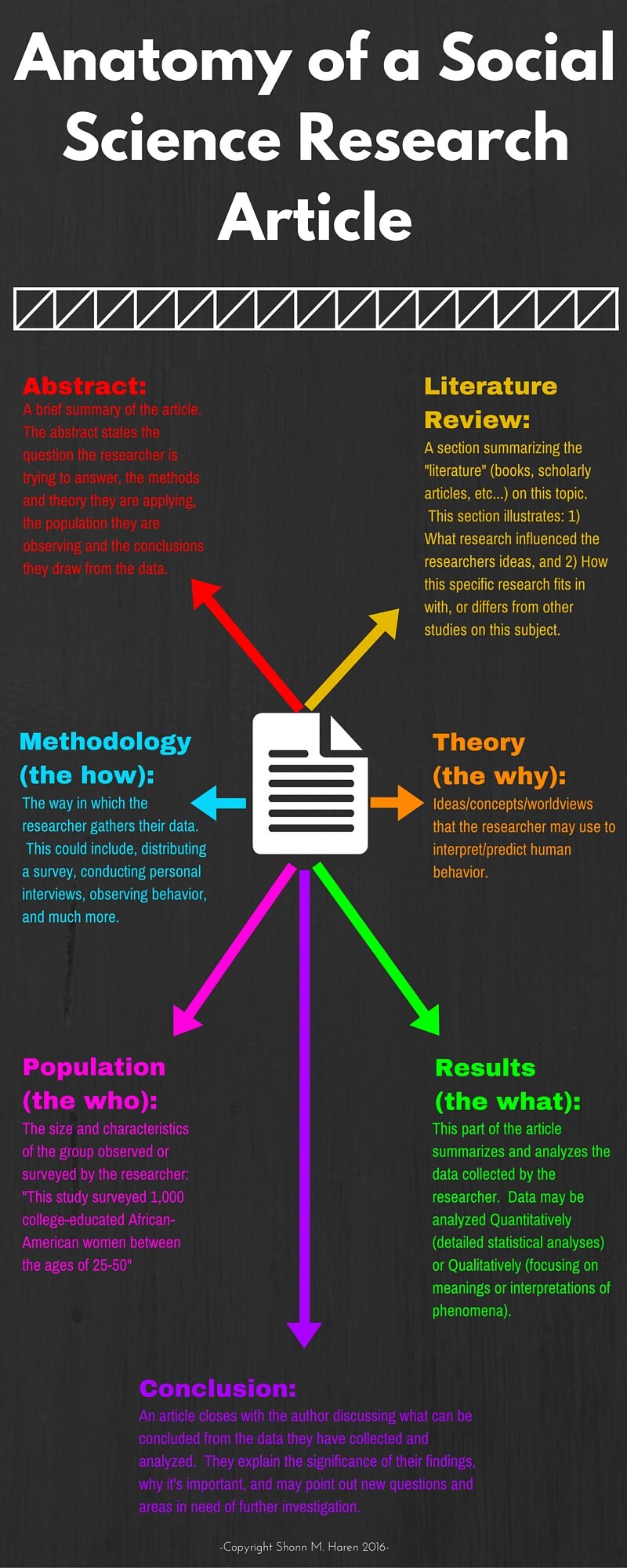
First Look: The Abstract
Before you dive into the full paper, you'll see the abstract. This is a short, standalone summary of the entire article, usually around 150-250 words. It's designed to give you the highlights: the problem, the methods used, the key findings, and the main conclusion.
Reading the abstract first is a crucial time-saver. It helps you quickly decide if the paper is relevant to your interests or research question. If it is, you can proceed with confidence. If not, you can move on without having to read the entire document.
The abstract tells you the entire story in miniature, from the research question to the final answer.
The Core Sections
After the abstract, you get to the main body of the paper. This is where the IMRaD structure really shines. Each section has a specific job to do.
Introduction The introduction sets the stage. It starts broad by providing background information on the topic, explaining why the research is important. It then narrows down to identify a specific gap in knowledge or an unanswered question. The introduction ends by stating the authors' research question or hypothesis—what they aimed to find out.
Methods This is the “how-to” section of the paper. It describes exactly how the research was conducted. The level of detail here is important; it should be thorough enough for another researcher to replicate the study. It includes information on the participants or subjects, the equipment and materials used, and the step-by-step procedures that were followed.
Results The results section presents the findings of the study, plain and simple. It reports the data collected, often using tables, graphs, and figures to make the information easier to digest. This section is purely descriptive. It tells you what the authors found, but not what it means. There's no interpretation or speculation here—just the facts.
Discussion Here’s where the authors interpret their findings. They explain what the results mean and how they relate back to the original research question. They will often compare their findings to those of other studies, discuss the limitations of their own work, and suggest directions for future research. This section answers the “So what?” question.
The Final Piece
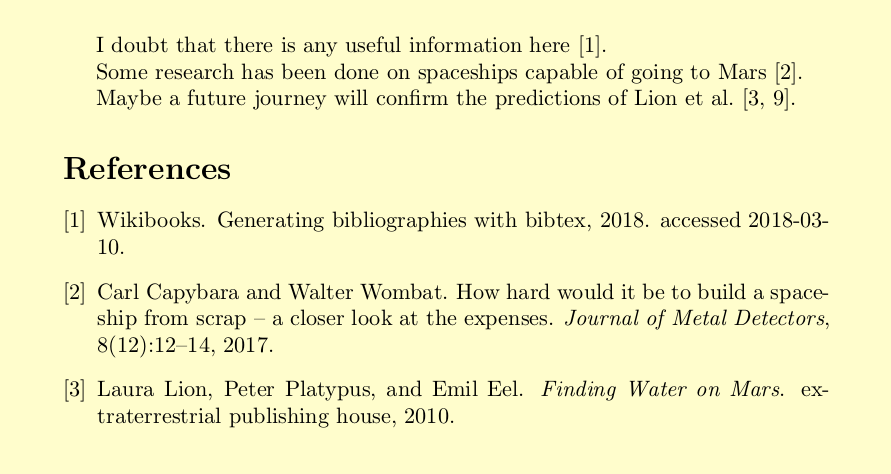
Finally, every scientific paper ends with a list of references. This section, sometimes called a bibliography or works cited, provides a complete list of all the sources the authors mentioned in their paper.
This list is crucial for a few reasons. It gives credit to other researchers for their work, allows readers to find the original sources for themselves, and shows that the authors have grounded their study in existing knowledge.
Understanding this basic structure takes the guesswork out of reading a scientific article. You'll always know where to look for specific information, whether it's the main takeaway, the details of an experiment, or the raw data.