Mastering Scientific Literature
Understanding Scientific Paper Structure
The Anatomy of a Paper
Scientific papers can feel intimidating, but they almost always follow a predictable pattern. Think of it like a blueprint. Once you understand the layout, you can navigate any paper with confidence and find the information you need quickly.
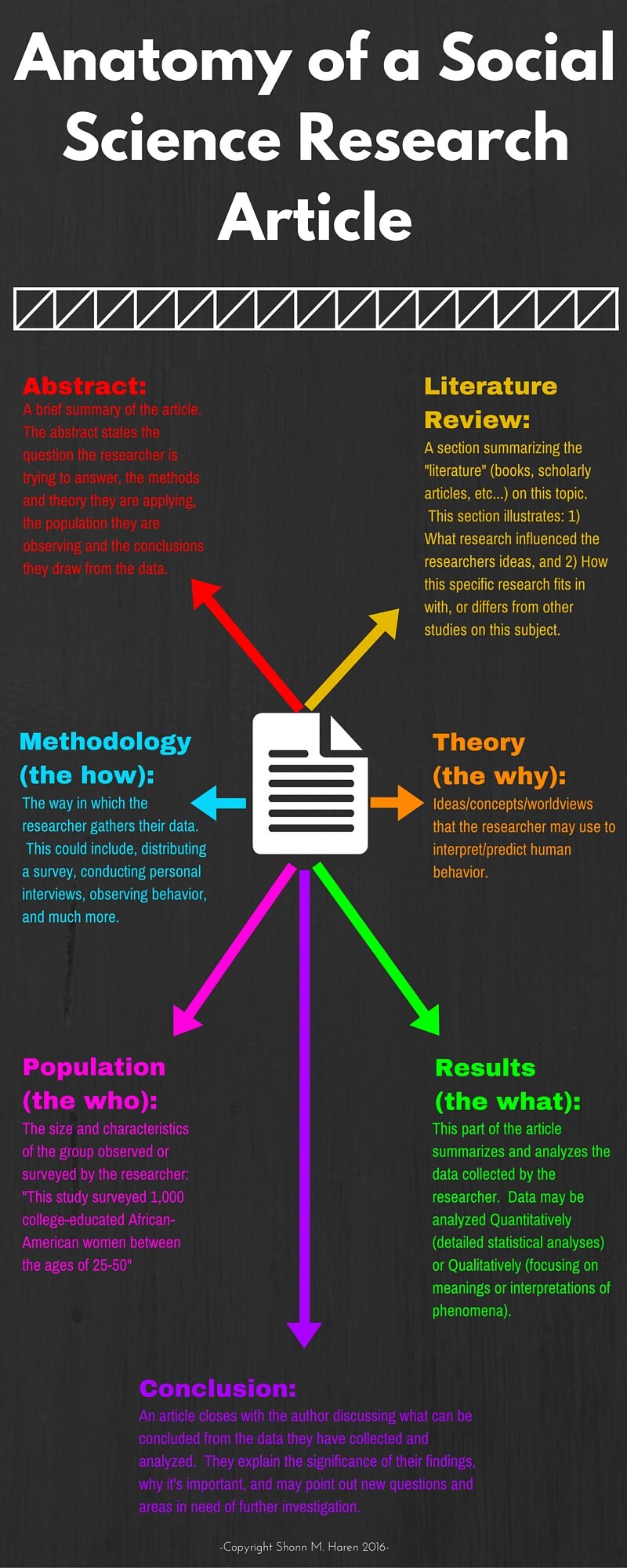
This common structure is often called IMRaD, which stands for Introduction, Methods, Results, and Discussion. Along with an Abstract at the beginning and a list of References at the end, these sections tell the complete story of a research project from start to finish.
The First Glance
Every formal paper starts with an Abstract. This is a short, powerful summary of the entire article, usually around 200-300 words. Its job is to give you the highlights of the research so you can quickly decide if the full paper is relevant to you.
A good abstract answers four key questions:
- Why did the scientists do this study?
- What did they do?
- What did they find?
- What do the findings mean?
After reading the abstract, you should have a solid overview of the paper's purpose, main findings, and significance. It's the ultimate time-saver.
The Story's Beginning
The Introduction sets the stage. It starts by painting a broad picture of the research area and explaining why the topic is important. It acts like a funnel, starting with general information and gradually narrowing down to the specific problem the researchers decided to tackle. It tells you what we already know and points out a gap in that knowledge.
By the end of the introduction, you should understand the authors' specific research question or hypothesis. It's the 'why' behind the work.
Next comes the Methods section, which is the 'how' of the story. This is the detailed recipe of the experiment. It explains exactly how the study was conducted, including the materials used, the procedures followed, and the techniques for analyzing the data.
The Methods section has to be clear and detailed enough for another scientist to be able to replicate the study. This is a cornerstone of the scientific process.
The Core Findings
The Results section presents the findings of the study, plain and simple. It's the 'what' they found. This section delivers the raw data, often summarized in tables, graphs, and figures. The text in this section simply describes the data without any interpretation or speculation.
You'll see statements like, "Group A showed a 20% increase, while Group B showed a 5% decrease." The goal is to present the evidence objectively, letting the facts speak for themselves.
Then, the Discussion section explores the 'so what?'. Here, the authors interpret the results, explaining what they mean in the context of the original research question. They will connect their findings back to the information presented in the introduction.
In this section, authors also address any limitations of their study and suggest directions for future research. It’s where the data from the Results section is woven into a narrative about what was learned.
Giving Credit
Finally, every scientific paper ends with a References section. This is a list of all the other publications, like previous studies or review articles, that the authors cited in their paper.
This list is crucial for a few reasons. It acknowledges the work of other researchers, provides you with resources for further reading, and allows you to trace the origins of the ideas and methods used in the study. It’s the foundation upon which the current research was built.
What does the acronym IMRaD stand for in the context of a scientific paper's structure?
If you want to quickly determine if a scientific paper is relevant to your research without reading the whole thing, which section should you read first?