Mastering Scientific Literature
Scientific Paper Structure
The Anatomy of a Paper
Scientific papers can feel intimidating, but they aren't written to be confusing. In fact, most follow a predictable pattern. This structure, often called IMRaD (Introduction, Methods, Results, and Discussion), acts like a roadmap. It helps you know exactly where to look for specific information, whether you're skimming for the main idea or digging into the details.
Most academic research papers follow a standard framework, often summarized as IMRaD: Introduction, Methods, Results, and Discussion.
Once you understand the purpose of each section, you can read papers more efficiently and with greater comprehension. Let's break down the typical components.
The Starting Point
Abstract
noun
A brief, comprehensive summary of the contents of the article.
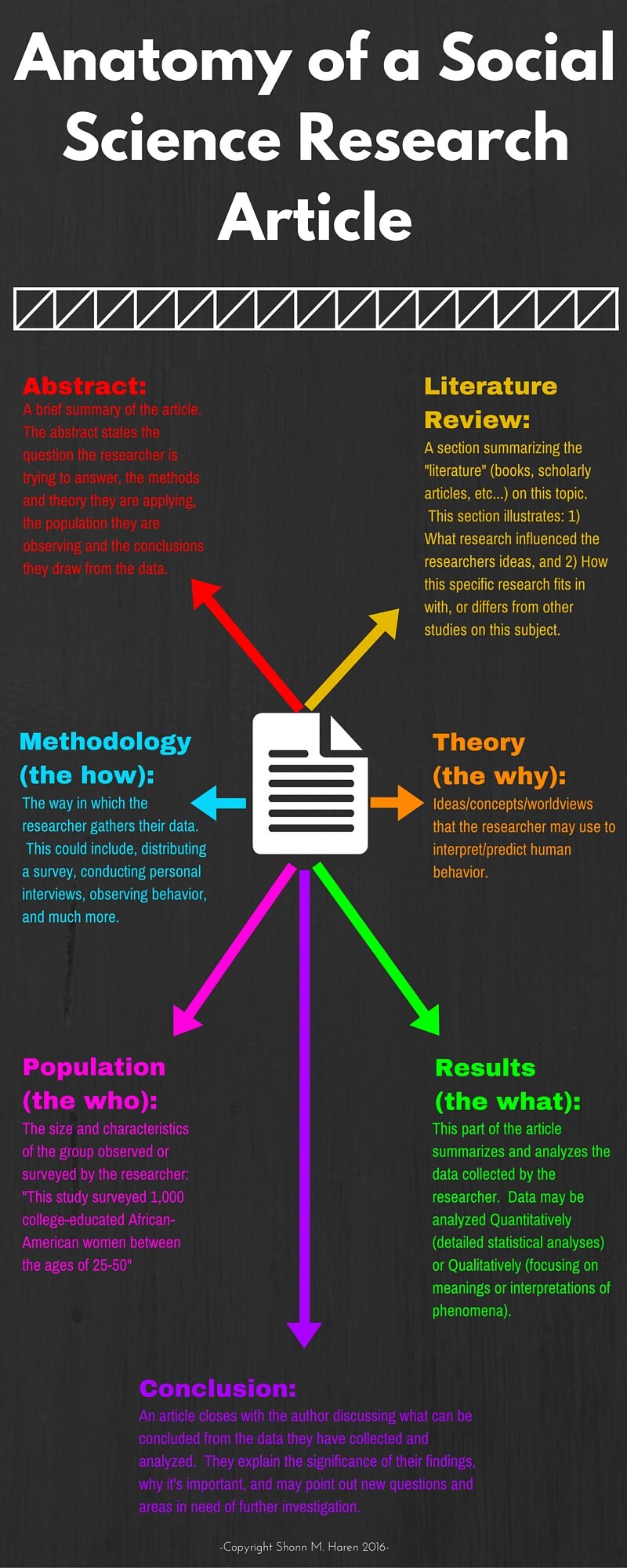
The abstract is your first stop. It's a short paragraph at the very beginning that summarizes the entire paper. Think of it as the trailer for a movie. It tells you the motivation for the study, the key findings, and the main conclusion. Reading the abstract helps you quickly decide if the full paper is worth your time.
The abstract is your gateway to the research paper.
After the abstract, the introduction sets the stage. It answers the question, "Why was this research necessary?" It provides background information on the topic, explains what's already known, and points out a gap in the current knowledge. The introduction ends by stating the specific research question or hypothesis the authors set out to investigate.
The Core of the Study
The Methods section is the technical part of the paper. It's a detailed description of exactly how the researchers conducted their study. It answers the question, "What did they do?"
This section should be clear and specific enough for another scientist to replicate the experiment. It describes the participants or subjects, the equipment used, and the step-by-step procedures that were followed.
The Methods section is the recipe for the study: it should provide enough information to replicate the study without looking elsewhere.
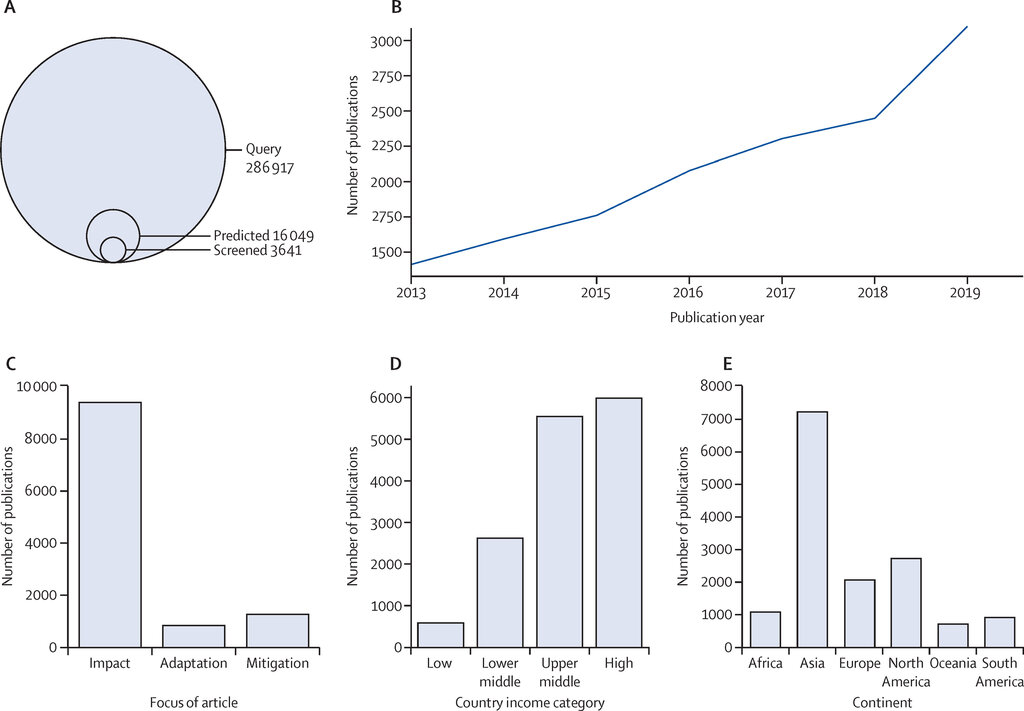
Following the methods, the Results section presents the findings of the study. It answers the question, "What did they find?" This section presents the data, usually in the form of text, tables, graphs, and figures. It's important to note that the Results section should be a straightforward report of the facts. It describes the data without interpreting its meaning or drawing broad conclusions.
Making Sense of It All
The Discussion is where the authors interpret their findings. It answers the question, "What does it all mean?" Here, the authors explain the significance of their results, connect them back to the original research question, and compare them to the findings of previous studies. They'll also typically acknowledge any limitations of their study—things that might have influenced the results or aspects that couldn't be controlled.
Finally, the Conclusion wraps everything up. Often, this is the final paragraph of the Discussion section. It provides a concise take-home message, summarizing the main findings and their implications. It might also suggest directions for future research, highlighting new questions that have emerged from the study.
Let's review the main sections.
Now, let's test your understanding.
What is the primary purpose of a scientific paper's abstract?
If a scientist wanted to replicate an experiment, which section would provide the necessary detailed, step-by-step procedures?
Understanding this standard structure demystifies academic articles, making them much easier to navigate and digest.