Mastering Scientific Literacy
Scientific Paper Anatomy
The IMRaD Blueprint
Most scientific papers aren't structured like a mystery novel. They follow a predictable pattern to make information easy to find and digest. This standard framework is known as IMRaD, an acronym that stands for Introduction, Methods, Results, and Discussion.
Most academic research papers follow a standard framework, often summarized as IMRaD: Introduction, Methods, Results, and Discussion.
Think of it as the architectural blueprint for a research study. Each section has a specific job to do, and understanding these roles allows you to navigate any paper efficiently, whether you're skimming for a key finding or diving deep into the experimental design.
Before you even get to the IMRaD sections, you'll see the abstract.
The Abstract An Executive Summary
The abstract is a condensed version of the entire paper, usually around 250 words. Its purpose is to give you a high-level overview so you can quickly decide if the article is relevant to your own work. It's not just a summary; it’s a miniature narrative of the study.
A good abstract briefly introduces the problem, states the primary objective, summarizes the methods, reports the key findings, and presents the main conclusion. It’s the first thing you read and, sometimes, the only thing you need to read.
Use the abstract to filter your reading list. If the abstract doesn't align with your interests, you can likely move on without reading the full paper.
After the abstract, the paper begins in earnest with the introduction.
Setting the Stage
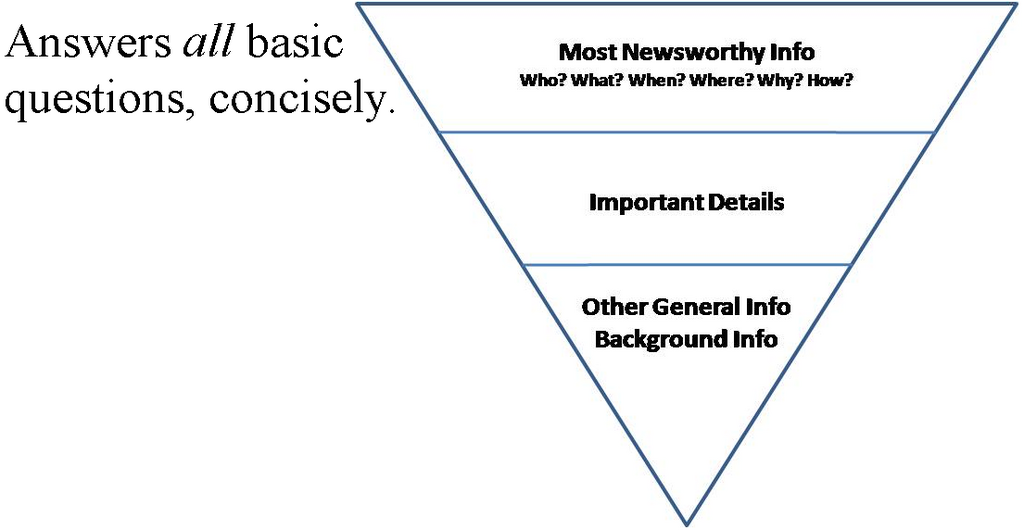
The introduction doesn't just state the topic. It uses a "funnel" approach to guide the reader from a broad context to a specific research question.
It starts by establishing the wider field of study and why it's important. Then, it narrows its focus, summarizing the existing research and highlighting a specific gap in knowledge, a controversy, or an unanswered question. Finally, at the narrowest point of the funnel, it states the paper's specific objective or hypothesis. This structure tells a clear story: here's what we know, here's what we don't know, and here's what this paper is going to do about it.
The Methods section that follows is the operational core of the paper. It's a detailed, step-by-step account of how the research was conducted. Its primary purpose is reproducibility. Someone in another lab should be able to replicate the study by following the methods like a recipe.
The Results section presents the findings of the study, period. It delivers the data without interpretation or context. You'll see tables, figures, and statistical outputs. This section tells you what was found, not what it means.
The final sections are where the authors get to explain their findings.
Interpretation and Impact
The Discussion is arguably the most important section. Here, the authors interpret the results. They explain what their findings mean, connecting them back to the questions posed in the introduction. This is also where they address the study's limitations and compare their results to previous research.
It's crucial to read the Discussion with a critical eye. Authors may be tempted to overstate the importance of their findings or downplay limitations. Ask yourself: do the results truly support the conclusions being drawn?
Finally, the Conclusion is a short, concise summary of the study's main takeaway. While the Discussion explores the nuances and context, the Conclusion offers a final, definitive statement on what was learned and why it matters.
Ready to test your knowledge?
What does the acronym IMRaD stand for in the context of a scientific paper?
If you want to replicate an experiment described in a paper, which section provides the necessary detailed information?
Understanding this common structure demystifies the process of reading scientific literature, helping you extract information quickly and critically evaluate the research.