Mastering Scientific Literacy
Journal Architecture
The Anatomy of a Research Paper
Most academic papers aren't structured like a mystery novel. The conclusion is usually given right at the beginning. This is by design. Researchers are busy, and they need to quickly assess if an article is relevant to their work. To help with this, most scientific papers follow a standardized format called IMRaD structure.
Most journals use an IMRD structure: An abstract followed by Introduction, Methods, Results, and Discussion.
This framework creates a logical flow, guiding the reader from the broad question to the specific answer. Think of it as a map for the research journey.
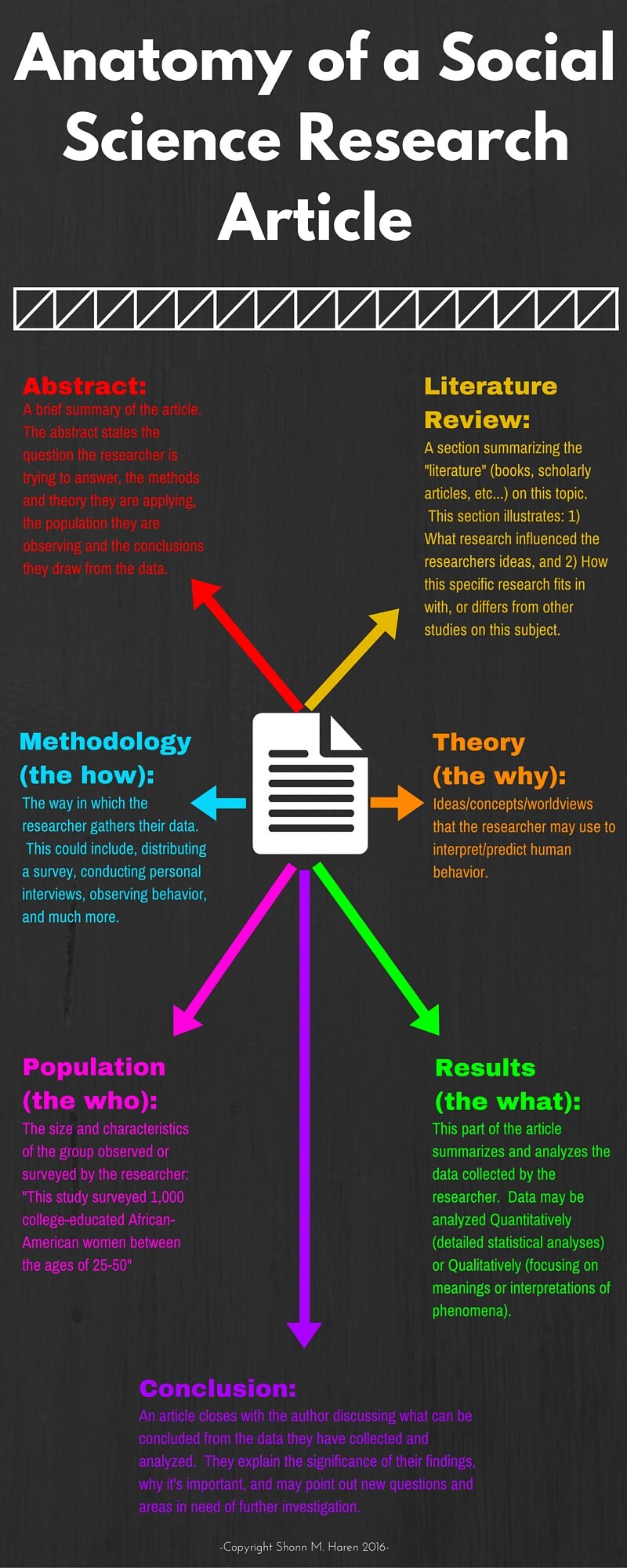
Let's break down each part:
-
Abstract: A short summary of the entire paper. It covers the research question, key methods, main findings, and the conclusion, all in about 250 words. It's the first thing you read and helps you decide if the rest of the paper is worth your time.
-
Introduction: This section sets the stage. It starts with the broad background of the topic, narrows down to a specific problem or gap in current knowledge, and ends by stating the research question or hypothesis. A good introduction convinces the reader that the study is necessary.
-
Methods: Here, the authors describe exactly how they conducted the research. This section needs to be detailed enough for another scientist to replicate the study. It includes information on the participants, materials, and procedures used. Transparency here is key to scientific credibility.
-
Results: This is where the authors present their findings, plain and simple. It contains the data, often in the form of tables, graphs, and figures, with text explaining what was found. Crucially, this section avoids interpretation. It's just the facts.
-
Discussion & Conclusion: Now for the interpretation. The authors explain what their results mean in the context of the research question and existing literature. They discuss the implications of their findings, acknowledge any limitations of their study, and often suggest directions for future research. The conclusion wraps everything up, reinforcing the study's main takeaway.
Not All Research Is Equal
Just as a firsthand account is different from a biography, different types of research papers carry different weights. This concept is often visualized as a hierarchy of evidence. At the bottom, you have expert opinions and preliminary studies. At the very top, you find papers that synthesize the results of many other studies.
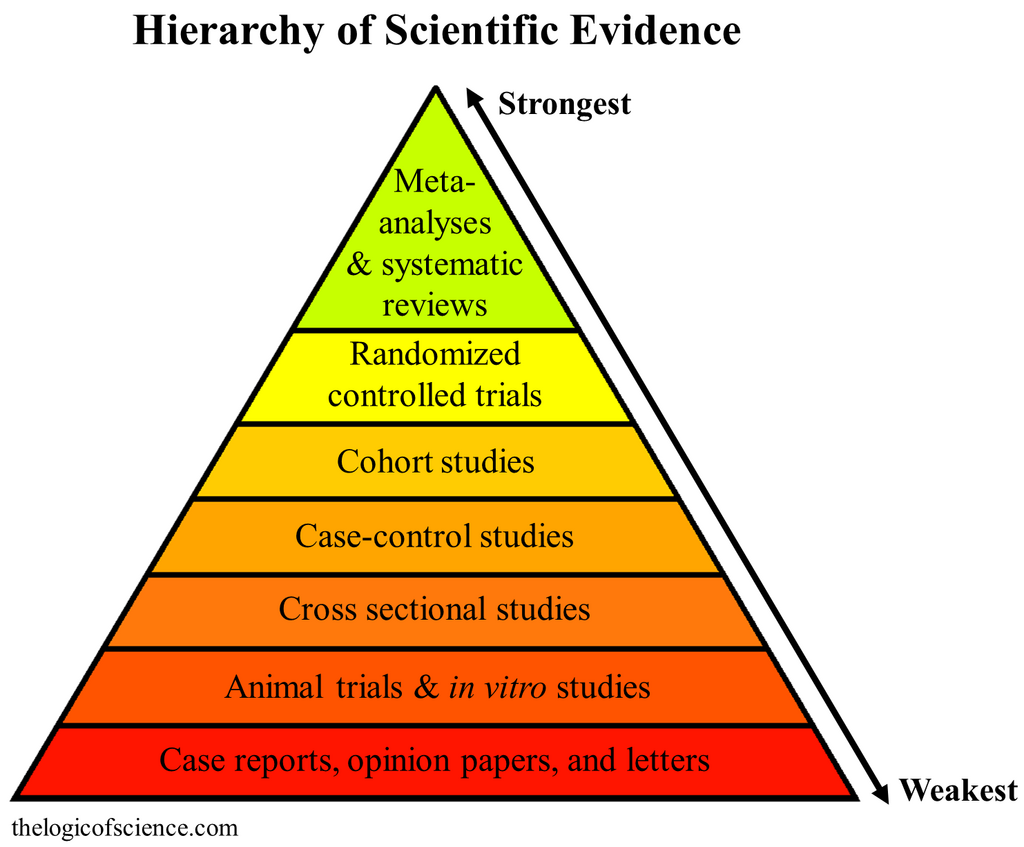
Two of the most powerful types of studies are systematic reviews and meta-analyses These are often called "studies of studies."
A systematic review answers a defined research question by collecting and summarizing all empirical evidence that fits pre-specified eligibility criteria. Imagine wanting to know if a certain diet is effective. A systematic review would gather every high-quality study ever done on that diet, analyze their methods and results, and synthesize the findings.
A meta-analysis goes one step further. It uses statistical methods to combine the results of multiple studies, effectively creating a single, larger, and more powerful study. This increases the statistical power and provides a more precise estimate of the effect in question.
While a single study might offer a clue, a meta-analysis can provide a much more definitive answer by pooling data from thousands of participants across different research teams.
Both are invaluable because they filter and condense a large body of literature, giving a comprehensive overview of the current state of knowledge on a topic. They are crucial for evidence-based practice in fields like medicine and policy.
The Gatekeepers of Science
Before a research paper is published in a reputable journal, it must go through a rigorous quality control process called peer review. This is where a paper is sent to other experts (peers) in the same field for evaluation. These reviewers scrutinize the paper's methodology, analysis, and conclusions to ensure the work is sound, original, and significant.
The reputation of a journal is often tied to its selectivity and perceived importance. One common, though controversial, metric used to gauge this is the Impact Factor It essentially measures the average number of citations received by articles published in that journal over the previous two years. A higher impact factor suggests that the journal's articles are frequently cited by other researchers, implying greater influence in the field.
However, prestige isn't everything. The most important thing is finding the right journal for the research, one whose scope and readership align with the paper's topic. A brilliant paper in the wrong journal might not find the audience it deserves.
Understanding this architecture is the first step to critically reading and evaluating scientific literature. Now you're equipped to look beyond the headlines and assess the research for yourself.
What is the primary purpose of the 'Introduction' section in a paper following the IMRaD structure?
A scientist wants to replicate a study. Which section should they consult for a detailed description of the participants, materials, and procedures used?