Mastering Scientific Literacy
Anatomy of Papers
The IMRaD Framework
Scientific papers aren't meant to be read like novels, from front to back. They're built on a logical framework that helps you find information efficiently. Most follow a structure known as IMRaD: Introduction, Methods, Results, and Discussion. Understanding this isn't just about knowing the sections; it's about using them as a map.
Most academic research papers follow a standard framework, often summarized as IMRaD: Introduction, Methods, Results, and Discussion.
Think of it as a functional toolkit. Each section answers specific questions. If you know which questions are answered where, you can navigate any paper with purpose instead of getting lost in the details.
But before you even get to the IMRaD sections, you encounter the Abstract.
Abstract vs. Introduction
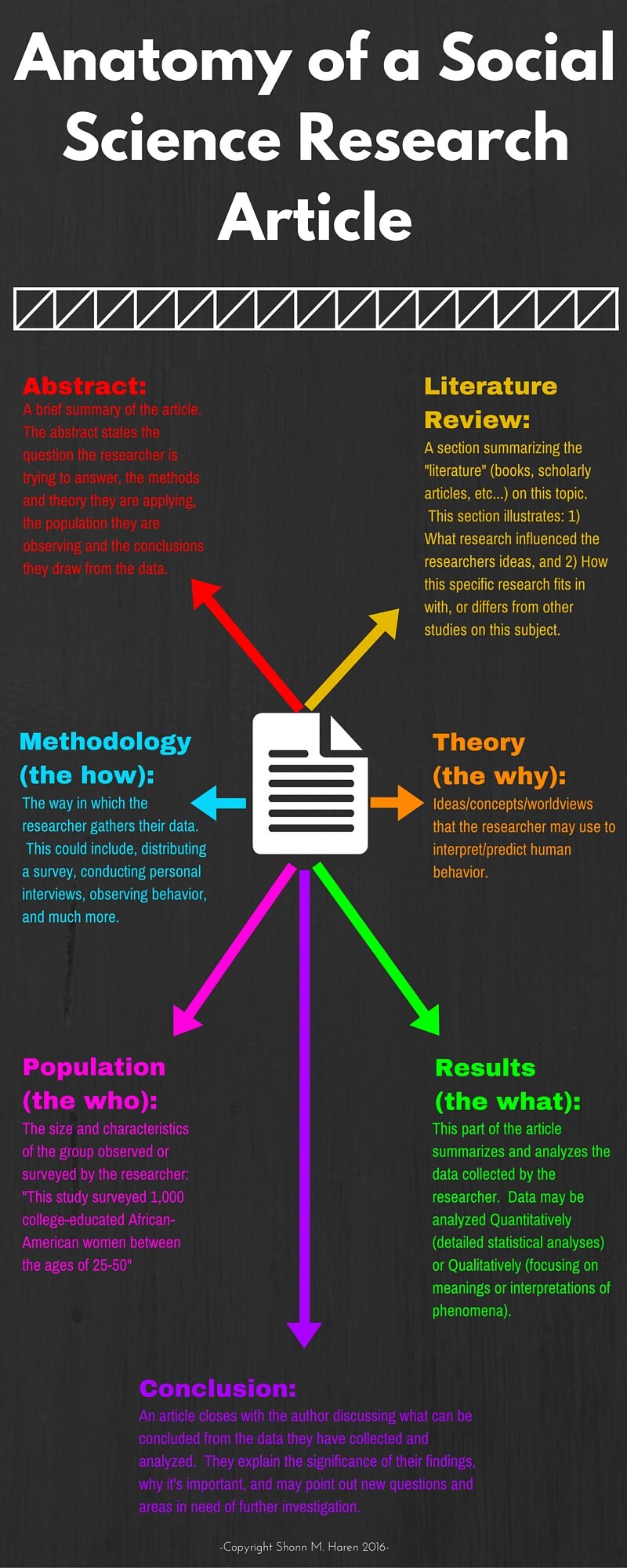
The Abstract is a compact summary of the entire paper. It briefly states the problem, the methods used, the key findings, and the main conclusion. It’s designed to give you the complete picture in about 250 words, helping you decide if the paper is relevant to your needs.
The Introduction, on the other hand, sets the stage. It funnels the reader from a broad topic down to a specific, unanswered question. This is where you'll find the why—the context and significance of the research. Its primary job is to present the core research question or hypothesis that the rest of the paper will address.
The Abstract tells you what the paper found. The Introduction tells you why the authors bothered to look.
A common mistake is to treat these two sections as interchangeable. The Abstract is for quick evaluation; the Introduction is for deep understanding of the problem's context.
A Strategic Reading Order
Reading a paper from start to finish is inefficient. A strategic approach helps you extract the most important information quickly and critically. Try this order instead:
-
Abstract: Read it first to get the high-level summary. Does this paper seem relevant to your interests? If not, move on. If yes, proceed.
-
Introduction: Read this next to understand the research question. What specific gap in knowledge are the authors trying to fill? Identify their hypothesis.
-
Conclusion/Discussion: Jump to the end. What did the authors conclude? Do their conclusions seem to logically answer the question posed in the introduction? This gives you the main takeaway before you dive into the data.
-
Results: Now, look at the findings. Scan the figures, tables, and graphs. The captions are your best friend here—they should summarize the key message of each visual. Do the results visually support the authors' conclusions?
-
Methods: Read this section last, and only if you need the details. This is the
how-to
manual of the study. You'd read it closely if you want to replicate the experiment, critique their approach, or understand the specific techniques they used. For a general understanding, a light skim is often enough.
This non-linear approach helps you read with a purpose. You’re actively seeking answers to questions rather than passively absorbing information.
Beyond the Core Sections
Sometimes, the most valuable information isn't in the main body of the paper at all. Always check for supplemental materials.
Supplemental materials can include things like:
- Extended Data: Raw data sets, additional figures, or tables that were too lengthy for the main paper.
- Detailed Methods: Step-by-step protocols, software code, or extensive mathematical derivations.
- Videos or Animations: Visual demonstrations of a process or experiment.
These materials are crucial for anyone looking to fully understand or replicate the research. They provide the transparency needed for critical evaluation. If a study makes a bold claim, the supplemental section is often where you'll find the detailed evidence to back it up. Never overlook it.
Now, let's test your understanding of how to navigate a scientific paper.
What is the primary purpose of the Abstract in a scientific paper?
According to the recommended strategic reading approach, after reading the Abstract and Introduction, which section should you jump to next to understand the main takeaway?
Mastering this structure transforms reading from a chore into a skill. It allows you to engage with scientific literature actively, saving time and improving your comprehension.