Mastering Scientific Literacy
Journal Anatomy and Navigation
The IMRAD Roadmap
Scientific papers can feel dense and intimidating, but most follow a predictable structure. Think of it as a blueprint. Once you know the layout, you can find what you need without getting lost in the details. The most common framework is called , which stands for Introduction, Methods, Results, and Discussion.
Understanding this structure is your key to reading efficiently. You don't have to read a paper from start to finish. Instead, you can jump to the section that answers your specific question.
The goal is to become a strategic reader, not a sequential one. Your time is valuable, so you need to extract the maximum insight with minimum effort.
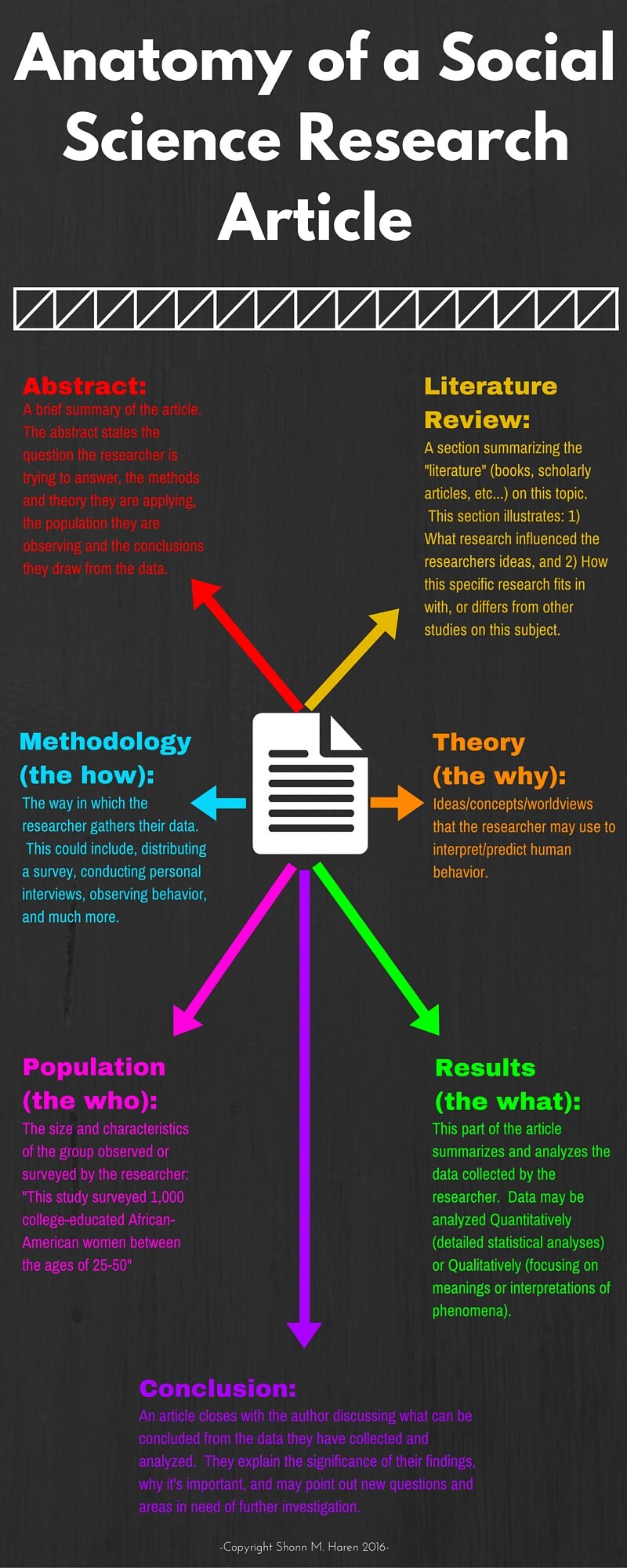
Strategic Reading in Action
Let's break down how to use the IMRAD structure to evaluate a paper on dementia prevention. Your first stop is always the Abstract.
The abstract is a short summary of the entire paper, usually around 250 words. It gives you the highlights: the problem, the main findings, and the authors' conclusion. Use it as a screening tool. Does this paper actually test a new prevention strategy, or does it just review old ones? Is the study in humans or mice? If the abstract doesn't align with your interests, move on. There's no need to read the rest.
Review the abstracts of research studies carefully. This will save you time.
If the abstract looks promising, your next step isn't the Introduction. It's to jump to the Discussion or Conclusion. This is where the authors interpret their findings. Reading this section early tells you the main takeaway message of the paper. It frames the results in a broader context and helps you understand why the authors think their work is important.
But be careful. The discussion is the authors' spin on the data. It's their argument. To see if that argument holds up, you have to go to the source of truth.
The Heart of the Matter
The Methods section, sometimes called "Materials and Methods," is the most important part of any research paper. It’s also the part most people skip. Don't make that mistake. This section is where the authors explain exactly what they did.
Who were the participants? How many were there? If it was a trial for a new dementia drug, what was the dose? How long was the study? How did they measure cognitive decline? A weak methodology can invalidate even the most exciting conclusions. This section provides the details you need to decide if the study's claims are credible.
After you’ve scrutinized the methods, you can look at the Results. This section presents the raw data without interpretation. It's a collection of facts, figures, and tables. Compare the data here to the claims made in the Discussion. Do they match up? Sometimes authors will highlight a statistically significant but clinically meaningless finding in the discussion. The results section keeps them honest.
Often, the most detailed data is tucked away in . This can include huge data tables, extra figures, or detailed protocols. If you're serious about understanding a paper, always check the supplements.
Finally, you can read the Introduction. This might seem backward, but reading it last gives you context. The introduction sets the stage by explaining what was known before this study and identifying a specific "gap" in the knowledge. It ends by stating the study's hypothesis. Reading it last helps you appreciate how the authors' work fits into the bigger scientific conversation.
Beyond the Text
A few other elements are crucial for a full appraisal. Always look at the author affiliations. Who are the authors and where do they work? This can give you a clue about their potential biases or perspectives.
Related to this is the (COI) statement, usually found at the end of the paper. Here, authors must disclose any financial relationships that could potentially influence their research. For example, if a study on a new Alzheimer's drug is funded by the company that makes the drug, that's a significant conflict of interest you need to be aware of. It doesn't automatically invalidate the research, but it does mean you should examine the methods and results with extra skepticism.
By using this strategic approach, you can move beyond passively reading a paper and start actively analyzing it. You'll be able to quickly assess its relevance, judge its quality, and decide for yourself if the conclusions are justified by the evidence.
What does the acronym IMRAD, a common structure for scientific papers, stand for?
When following a strategic approach to reading a scientific paper, what is the first section you should read after the Abstract to quickly grasp the authors' main argument?
Navigating scientific literature is a skill. With practice, the IMRAD structure will become second nature, allowing you to focus on the science itself.