Mastering Scholarly Writing
Understanding Scholarly Writing
What Makes Writing Scholarly?
Scholarly writing isn't about using big words or complicated sentences. It's about joining a conversation. Think of it as a dialogue between researchers and thinkers, stretching across time. When you write a scholarly piece, you're not just stating facts; you're adding your voice to this ongoing discussion.
The foundation of this conversation is the argument. In an academic context, an argument isn't a heated dispute. It's a clear, focused claim supported by evidence. Your job as a scholarly writer is to present a unique perspective and then back it up with credible research, data, or logical reasoning.
Argument
noun
A main idea, claim, or thesis statement that is supported with evidence to persuade an audience of its validity.
This means every scholarly work has a clear purpose. It might be to introduce a new idea, challenge an existing theory, or analyze information in a novel way. It's always in dialogue with other works, building upon, refuting, or refining what has come before. This is why citation is so critical—it maps the conversation and shows where your contribution fits.
The most important thing to understand about a piece of scholarly writing is what the argument is and how it is created: the problem, the solution, and the evidence.
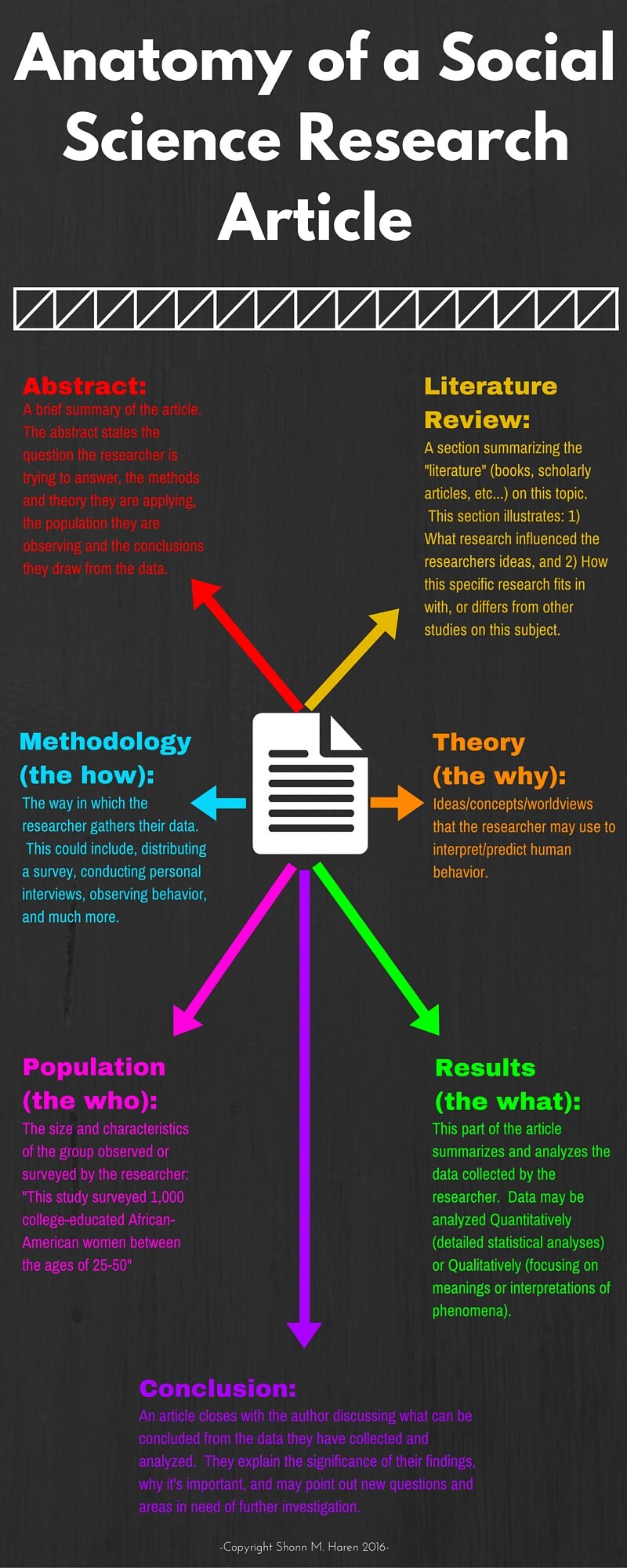
Academic articles typically follow a structured format to present this argument and evidence clearly. While the exact sections may vary by discipline, they generally guide the reader through the research process from introduction to conclusion.
Clarity and Cohesion
Complex ideas do not require complicated language. In fact, the goal of scholarly writing is to make complex topics understandable. Clarity is paramount. This means choosing precise words, using direct sentence structures, and avoiding jargon whenever simpler terms will do.
Cohesion is the partner to clarity. It's how your ideas stick together. A cohesive text flows logically from one point to the next, guiding the reader through your argument without confusion. Think of your paper as a journey. Each sentence should lead to the next, and each paragraph should build on the one before it, moving your reader smoothly toward your conclusion.
Clear writing reflects clear thinking. If your argument is tangled, your prose will be too. Spend time organizing your ideas before you start writing.
Achieving this flow isn't just about using transition words like "however" or "therefore." It's about the underlying logic of your argument. Does each section naturally follow the previous one? Does every paragraph support your central thesis? This logical structure is what gives a piece of writing its power and persuasiveness.
Entering the Conversation
Scholarly writing never exists in a vacuum. It is a direct response to and an extension of the work of other scholars. This is why research is the first step in writing. Before you can add your own voice, you must first understand the existing conversation.
Engaging with literature is more than just summarizing what others have said. Summarizing simply reports information. Your goal is to synthesize it. Synthesis involves connecting ideas from multiple sources to create a new understanding. You look for patterns, note contradictions, and identify gaps in the existing research. This process is what allows you to formulate a unique argument.
| Action | Summarizing | Synthesizing |
|---|---|---|
| Goal | To report information | To create new insight |
| Focus | One source at a time | Connections between multiple sources |
| Result | A list of findings | A new argument or perspective |
This engagement must also be critical. Critical reading doesn't mean finding fault. It means questioning the text. You should ask yourself:
- What assumptions does the author make?
- Is the evidence strong and relevant?
- Are there alternative interpretations of the data?
- How does this work relate to other research in the field?
By asking these questions, you move from being a passive reader to an active participant in the academic dialogue. Your writing becomes a tool not just for sharing information, but for creating knowledge.
Now, let's test your understanding of these core concepts.
According to the text, what is the best metaphor for scholarly writing?
In an academic context, an "argument" is a heated dispute between opposing viewpoints.
By mastering these principles of argument, clarity, and critical engagement, you develop the skills necessary to contribute meaningfully to your field.