Mastering SAP Group Reporting
Introduction to SAP Group Reporting
Bringing It All Together
Large, global companies often aren't single entities. They're typically a collection of smaller companies, or subsidiaries, spread across different regions and business lines. At the end of every month, quarter, and year, the finance department faces a monumental task: rolling up the financial data from every single one of these subsidiaries into one consolidated report. This process is called financial consolidation.
This isn't just a matter of adding up numbers. It involves complex adjustments, like accounting for transactions between subsidiaries and converting different currencies. For decades, this was a slow, manual process done in separate, specialized software. SAP S/4HANA Finance for Group Reporting is designed to change that.
Group Reporting is SAP's modern solution for financial consolidation, built directly into the core S/4HANA Finance system.
One Platform, One Truth
Traditionally, companies used one system for their daily, operational accounting—the transactions that run the business—and a completely separate system for group-level reporting and consolidation. To prepare a group report, financial data had to be extracted from the operational system, transformed into the right format, and loaded into the consolidation system. This multi-step process was slow, prone to errors, and meant that the consolidation team was always working with slightly outdated information.
SAP Group Reporting eliminates this separation. It integrates operational accounting and group reporting on a single platform. The transactional data and the consolidation tools live in the same house. This means there's no need to move data between systems. As soon as a transaction is posted in a subsidiary's books, it's available for consolidation.
This unified approach simplifies the entire reporting landscape. It creates a single source of truth for all financial data, from an individual invoice at a small subsidiary to the final consolidated balance sheet for the entire corporation.
The Benefits of a Unified System
Connecting the dots in real-time changes how finance teams work. Instead of spending weeks wrestling with data, they can focus on analyzing it.
Financial consolidation software addresses these challenges by automating the entire consolidation process, from data collection through final reporting.
The primary benefit is real-time data access. Imagine trying to make a decision based on a bank statement that's a week old. That’s how consolidation used to work. With Group Reporting, finance leaders can see a continuously updated view of the company's financial health, allowing for more agile and informed decision-making.
This leads directly to a streamlined financial close process. The 'close'—the period at the end of the month or quarter when accountants finalize the books—is notoriously stressful. By automating data collection, currency conversion, and intercompany eliminations, Group Reporting significantly cuts down the time and effort required to close the books. The process becomes faster, more accurate, and less of a scramble.
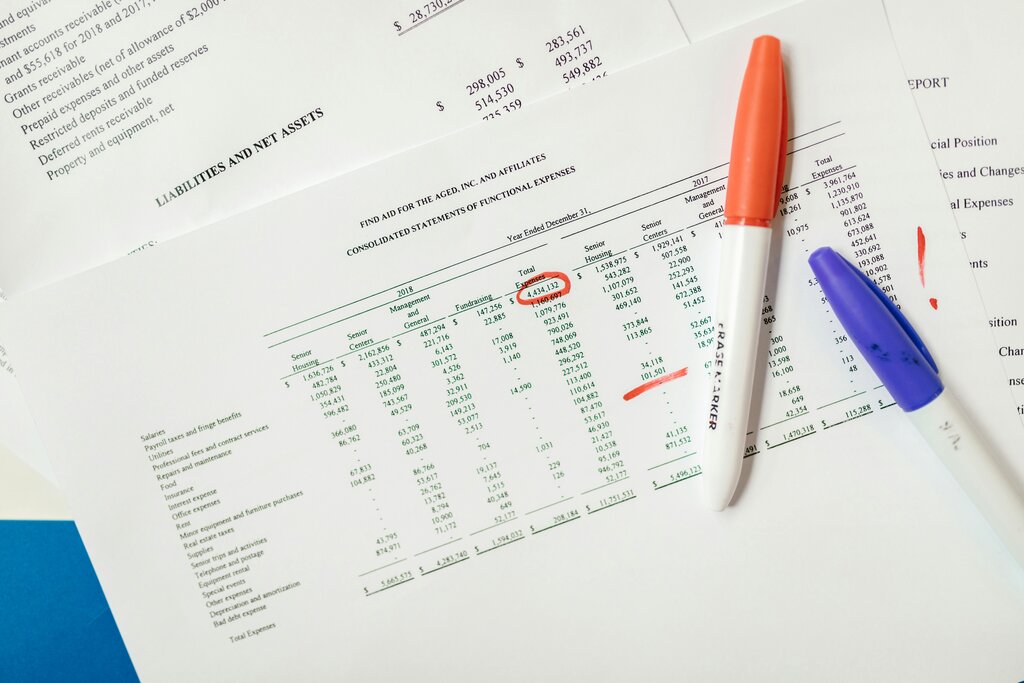
Finally, the system unifies consolidation and transactional tasks. Analysts can drill down from a high-level consolidated number on a report directly to the individual journal entry that it came from in the operational system, all without leaving the platform. This complete transparency makes it easier to audit financial statements and understand exactly what is driving the numbers.
What is the primary purpose of financial consolidation in a large, global company?
How did traditional financial consolidation systems typically handle data from operational accounting systems?
By integrating these crucial financial processes, SAP S/4HANA Finance for Group Reporting provides a clearer, faster, and more reliable picture of a company's performance.