Mastering Salesforce Data Cloud
Introduction to Salesforce Data Cloud
Your Customer Data, All in One Place
Think about all the ways a customer interacts with a company. They might browse the website, use a mobile app, call customer service, open a marketing email, and buy something in a physical store. Each of these actions creates a piece of data, but they often live in separate systems that don't talk to each other.
The sales team has their CRM records. The marketing team has email campaign stats. The e-commerce platform tracks online purchases. It's like having different snapshots of a person but never seeing the whole picture. This makes it incredibly difficult to understand who your customers really are and what they want.
Salesforce Data Cloud is designed to solve this exact problem. It’s a type of software called a Customer Data Platform, or CDP. Its main job is to pull all of your customer data from those disconnected sources and bring it together into one unified, coherent profile for each individual.
This gives everyone in the company, from sales to marketing to customer service, a single source of truth. They can see every interaction a customer has had with the business, all in one place.
Unify customer data across all touchpoints using Salesforce Data Cloud, Adobe Real-Time CDP, or Segment, enabling personalized marketing, precise segmentation, and real-time behavioral insights to boost engagement and repeat sales effectively.
From Raw Data to Real Action
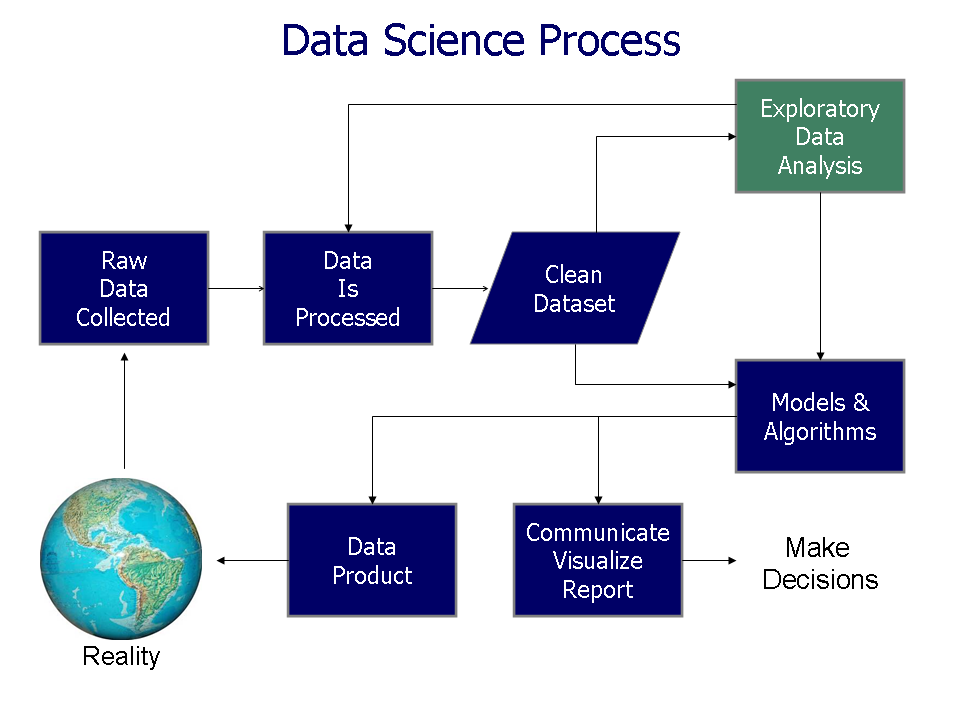
So how does Data Cloud actually turn a jumble of information into something useful? It follows a clear, four-step process.
| Step | What It Does |
|---|---|
| 1. Ingestion | Connects to your various systems (like Salesforce CRM, marketing tools, or online stores) and pulls in data automatically. |
| 2. Storage & Harmonization | Stores the raw data and then intelligently matches and merges it. It figures out that the 'Jen S.' who bought a product online is the same 'Jennifer Smith' who called support last week. This creates a clean, unified profile. |
| 3. Processing | Analyzes the unified data in real time. It can calculate metrics like a customer's total spending or identify who is most likely to make another purchase. This is where AI and analytics come into play, uncovering insights you might have missed. |
| 4. Activation | Makes the data actionable. The insights and unified profiles can be used to power personalized email campaigns, create targeted ad audiences, or give a service agent the full context of a customer's history during a call. |
This cycle isn't a one-time event. Data Cloud works in real time, constantly updating customer profiles as new information comes in. If a customer clicks an ad, that action is immediately added to their profile, allowing for instant and relevant follow-up.
The Power of a Unified View
Having a complete view of every customer unlocks powerful capabilities. Businesses can move from generic marketing blasts to truly personalized experiences. For example, instead of sending the same sale email to everyone, a company can send a special offer for an item a specific customer has viewed multiple times.
It also allows for smarter, AI-driven analytics. With all the data in one place, machine learning models can predict customer behavior, identify which customers are at risk of leaving, and recommend the next best action for a salesperson to take. This transforms data from a simple record of the past into a guide for the future.
The ultimate goal is to know your customer so well that you can create experiences that feel personal, helpful, and timely, no matter how or where they choose to interact with your brand.
Time to check your understanding.
What is the primary problem that Salesforce Data Cloud is designed to solve?
Salesforce Data Cloud is a specific type of software platform known as a what?
By unifying scattered information, Salesforce Data Cloud provides the foundation for building stronger, more meaningful customer relationships.