Mastering Salesforce CRM
Introduction to CRM
Beyond the Address Book
At its heart, business is about relationships. But as a company grows, keeping track of every conversation, email, and customer preference becomes nearly impossible. Details get lost in spreadsheets, sticky notes, and overflowing inboxes. This is where Customer Relationship Management, or CRM, comes in.
CRM isn’t just a piece of software. It’s a strategy for managing all your company’s relationships and interactions with customers and potential customers.
Think of it as a central hub for everything related to your customers. It helps you stay connected, streamline processes, and improve profitability. A good CRM strategy puts the customer at the center of your business, ensuring every department, from sales to marketing to customer service, has the information they need to create a great experience.
A CRM should act as the central hub for all customer information, including contact details, communication history, preferences, past purchases, and service requests.
What's Inside a CRM?
While CRM systems vary, they generally share a few core components that work together to provide a complete picture of your customers. It's all about bringing different streams of information into one accessible place.
These components typically include:
- Contact Management: This is the foundation. It's a detailed address book that stores names, emails, phone numbers, social media accounts, and company information for every customer and lead.
- Interaction Tracking: The system logs every touchpoint, whether it's an email, a phone call, a website visit, or a support ticket. This creates a complete communication history that anyone in the company can access.
- Lead Management: A CRM helps track potential customers (leads) as they move through the sales pipeline, from initial contact to a closed deal. This helps sales teams prioritize their efforts and follow up effectively.
- Automation: Many CRMs can automate repetitive tasks like sending follow-up emails, scheduling appointments, or assigning tasks to team members. This frees up employees to focus on more strategic work.
The Benefits of a Central Hub
When businesses adopt a CRM strategy, they unlock a wide range of benefits. By organizing all customer information in one place, teams can work more efficiently and collaboratively. Sales teams can see a lead's full history with the marketing department, and customer service reps can see past purchases and interactions when a customer calls for help.
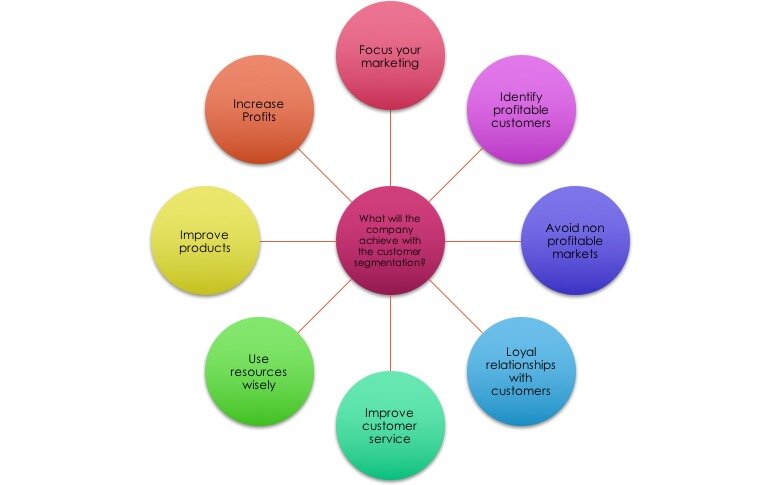
This unified view leads to more personalized communication and stronger relationships. You can segment customers based on their behavior or preferences to send them relevant marketing messages or special offers. Ultimately, this enhanced efficiency and improved customer satisfaction often translate directly into increased sales and better customer retention.
From Rolodexes to the Cloud
The idea of managing customer relationships isn't new. For decades, salespeople relied on Rolodexes and meticulous handwritten notes. The 1980s saw the rise of database marketing and early contact management software, which were essentially digital address books.
By the 1990s, these systems evolved into more complex, on-premise software. Companies had to buy and maintain their own servers to run them, making CRM an expensive and complicated investment reserved for large corporations.
The real game-changer was the internet. The arrival of cloud-based, or Software-as-a-Service (SaaS), CRMs in the early 2000s made the technology accessible and affordable for businesses of all sizes. Today, CRM systems are sophisticated tools that often incorporate artificial intelligence to provide predictive insights and automate complex workflows, all accessible from a web browser or mobile app.
Now, let's review the key ideas we've covered.
Time to test your knowledge.
What is the primary goal of a Customer Relationship Management (CRM) strategy?
A sales team wants to track potential customers from their first inquiry until a deal is officially closed. Which core CRM component is specifically designed for this purpose?
With this foundation, you're ready to explore how these systems help different parts of a business succeed.