Mastering Sales Compensation Strategies
Introduction to Sales Compensation
The Purpose of Sales Compensation
Sales compensation is the total pay a salesperson receives. It’s more than just a paycheck; it’s a powerful tool that directs the sales team's focus and effort. The primary goal is to motivate salespeople to perform actions that help the company achieve its strategic goals. This includes everything from closing deals and generating revenue to entering new markets or promoting specific products.
A well-designed sales compensation plan motivates teams, aligns with corporate objectives, and attracts top sales talent.
A good plan tells salespeople exactly what the company values. Is the priority landing new customers, or is it growing existing accounts? Should they focus on selling high-margin products or closing deals quickly? The way they are paid answers these questions. It serves as a clear communication channel between company leadership and the sales force, ensuring everyone is pulling in the same direction.
Key Components
Sales compensation plans are typically a mix of fixed and variable pay. Finding the right balance is key to creating a structure that provides stability while also rewarding high performance. Let's break down the most common components.
| Component | Type | Purpose |
|---|---|---|
| Base Salary | Fixed | Provides a predictable, stable income regardless of sales performance. |
| Commission | Variable | A percentage of revenue from sales. Directly rewards individual performance. |
| Bonus | Variable | A lump sum paid for achieving specific goals, which may be individual, team-based, or company-wide. |
| SPIFFs | Variable | Short-term incentives for selling a specific product. Stands for Sales Performance Incentive Fund. |
| Benefits | Fixed | Non-cash compensation like health insurance, retirement plans, and paid time off. |
The mix of these components can vary dramatically. An Account Executive focused on acquiring new business might have a plan that's 50% base salary and 50% commission. In contrast, an Account Manager focused on retaining and growing existing clients might have a higher base salary and a smaller portion of their pay tied to bonuses.
Aligning Compensation with Goals
The most effective sales compensation plans are directly linked to the company's broader business objectives. If a plan rewards behaviors that don't support the company's goals, it can create misalignment and hinder growth. For example, if the company's goal is to increase profitability, a compensation plan based purely on revenue volume could be counterproductive, as it might encourage salespeople to offer deep discounts to close deals.
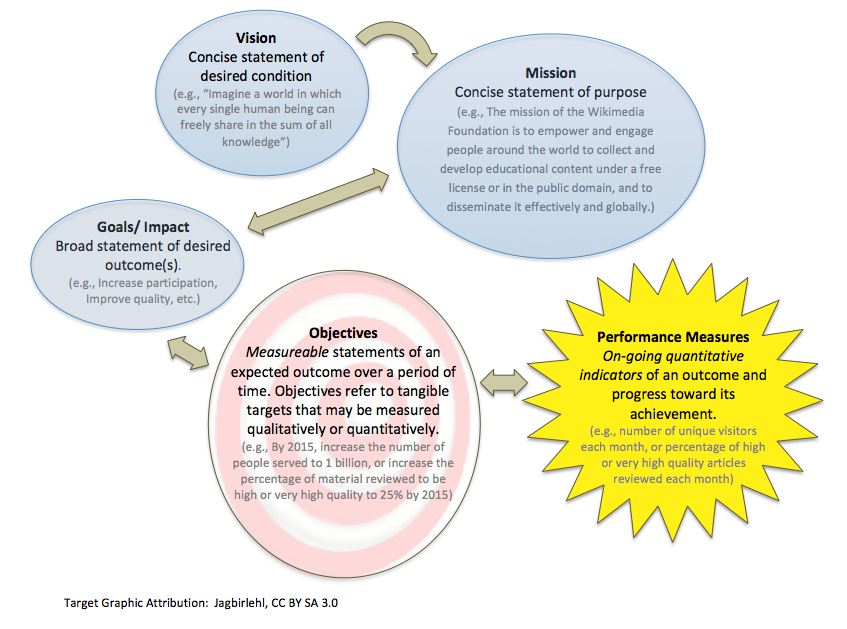
Alignment means designing the plan to reward specific outcomes. If the objective is to gain market share, the plan might offer a higher commission rate for new customers. If the goal is to improve customer retention, bonuses could be tied to contract renewals. This strategic alignment turns the compensation plan from a simple expense into a driver of business success.
When organizations design compensation models that motivate reps and include achievable targets that align with business strategies, the desired sales performance follows.
Time to check what you've learned.
What is the primary purpose of a sales compensation plan?
A company wants to increase its overall profitability. Rewarding salespeople based solely on total revenue generated could be counterproductive.
Ultimately, a sales compensation plan is a statement of a company's priorities. By understanding its core components and ensuring it aligns with business objectives, you can create a powerful system that motivates salespeople and drives meaningful results.