Mastering Salary Negotiation
Understanding Salary Structures
Beyond the Paycheck
When you receive a job offer, the most prominent number is usually the base salary. It's easy to focus on that figure, but it’s only one piece of a larger puzzle. A company's offer is part of a total compensation package, which includes all the financial rewards and benefits an employee receives.
Salary is just one part of total compensation
Understanding these components is the first step to evaluating an offer. Let's break down what a typical package includes.
Base Salary
noun
The fixed amount of money an employee is paid by an employer, before any additions like bonuses or deductions like taxes. It's usually expressed as an annual amount for salaried employees or an hourly rate for wage earners.
Bonuses are additional payments made on top of a base salary. A signing bonus is a one-time payment to entice a candidate to accept a job. A performance bonus, which can be paid out quarterly or annually, is tied to individual, team, or company performance.
Equity gives you a stake in the company's ownership. This often comes in the form of stock options or Restricted Stock Units (RSUs). While not immediate cash, equity can become very valuable if the company does well.
Benefits are non-wage compensations that significantly impact your financial well-being. Common benefits include:
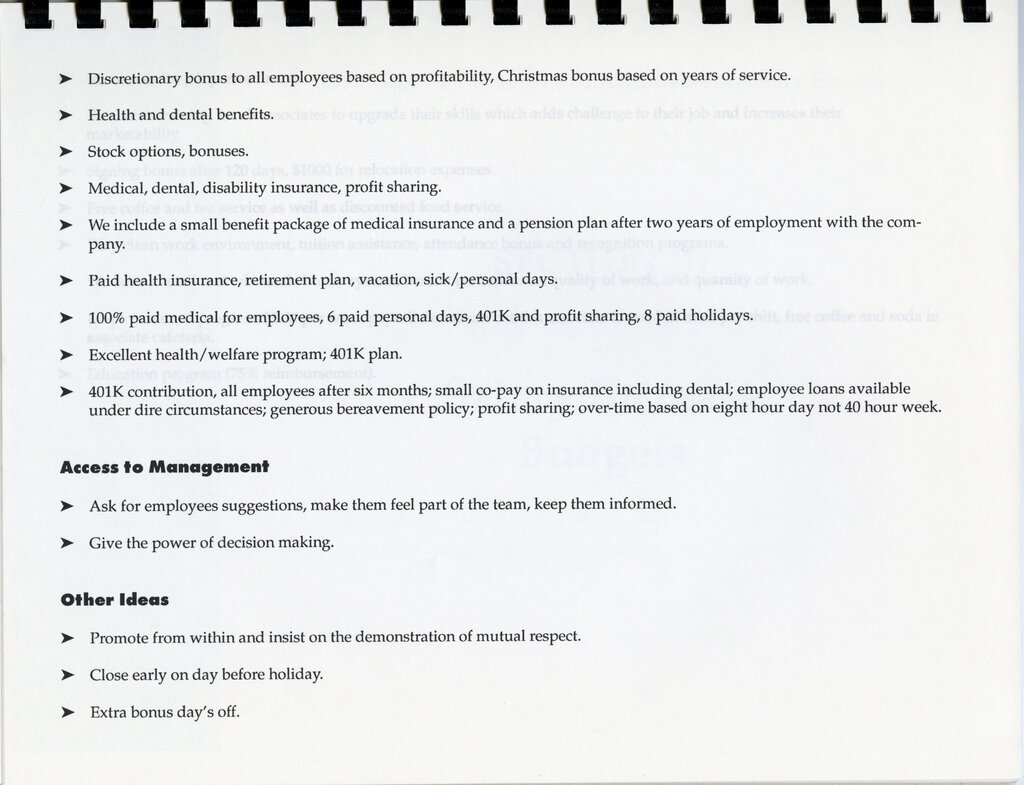
- Health, dental, and vision insurance
- Retirement savings plans, like a 401(k), often with a company match
- Paid time off (PTO), including vacation, sick days, and holidays
- Life and disability insurance
How Companies Set Pay
So, how does a company decide what to pay for a certain role? It's not arbitrary. Organizations use a structured process to determine salary ranges, balancing what they can afford with what the market demands. This involves looking at both internal and external factors.
Internal factors relate to the company itself, while external factors relate to the broader job market.
Internal Factors:
- Company Budget: A large, profitable company can generally offer higher pay than a small startup.
- Role Impact: How critical is this role to the company's success? A lead engineer on a flagship product will likely have a higher salary range than an entry-level position.
- Internal Equity: Companies strive to pay employees in similar roles fairly relative to one another to maintain morale and avoid conflicts.
External Factors:
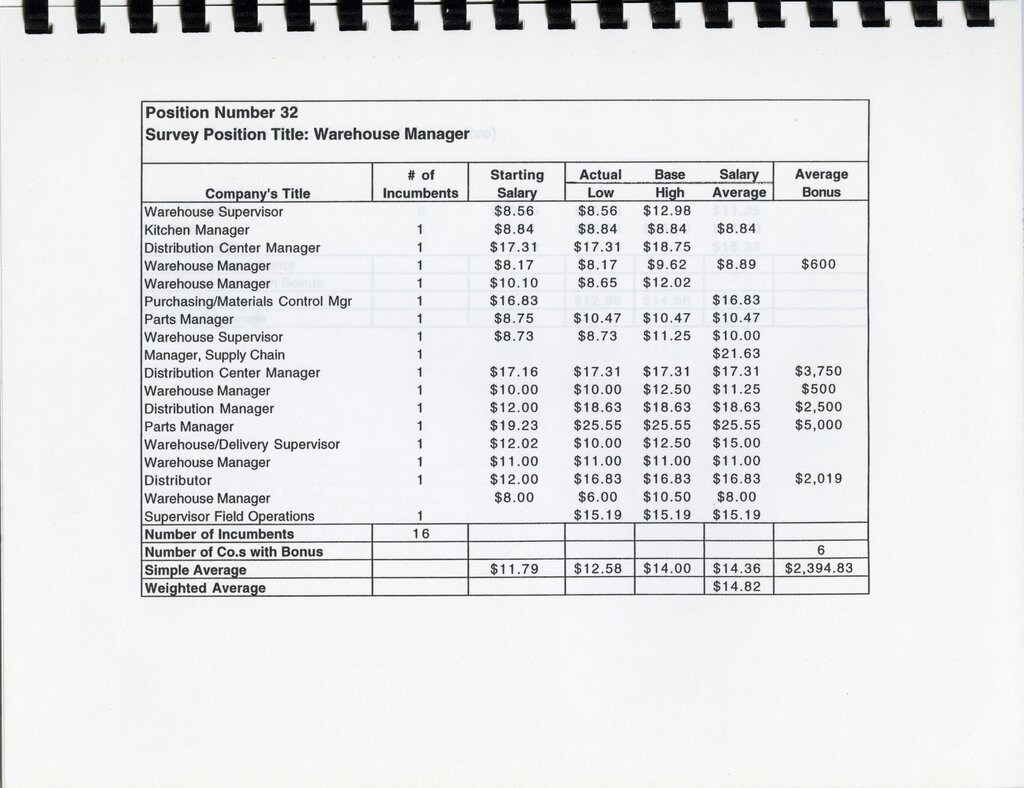
- Market Rate: This is what other companies are paying for similar roles in the same industry and geographic location. Companies buy salary survey data to benchmark their pay scales against competitors.
- Geographic Location: The cost of living varies dramatically between cities. A job in San Francisco will pay more than the same job in Omaha to account for this difference.
- Talent Supply and Demand: If a role requires a rare skill set, the demand for qualified candidates is high, driving salaries up.
Building the Salary Structure
Using all this information, a company creates a formal salary structure. This is a system that helps them make consistent and fair pay decisions. It usually involves creating salary bands or ranges for different job levels.
A salary band is the range of pay, from minimum to maximum, that a company is willing to offer for a particular job or group of jobs. For example, a "Software Engineer II" role might have a salary band of $90,000 to $120,000.
Where a candidate falls within this range depends on their experience, skills, and qualifications. An entry-level candidate might receive an offer closer to the minimum, while someone with extensive experience would be offered a salary closer to the maximum.
This structure gives the company flexibility while ensuring that pay decisions are not random. It also creates a clear path for salary growth as an employee gains experience and takes on more responsibility.