Mastering SaaS Sales
Introduction to SaaS Sales
The Never-Ending Sale
Traditional sales often feels like a finish line. You sell a car, a house, or a refrigerator, and the transaction is largely complete. The relationship might continue through warranties or service, but the main event is over. SaaS sales is different. It’s less like a finish line and more like the beginning of a marathon.
Software as a Service (SaaS)
noun
A way of delivering software where applications are hosted by a provider and made available to customers over the internet, typically on a subscription basis.
Instead of a single, upfront purchase, SaaS companies sell access to their software through a recurring subscription. Think of it like a streaming service or a gym membership. Customers pay a monthly or annual fee to use the product. This creates a steady, predictable stream of income for the company, which is a huge advantage. But it also fundamentally changes the nature of the sale.
SaaS is typically offered on a subscription basis, where users pay a recurring fee to access the software.
Because the customer can choose to cancel their subscription at any time, the sales team's job isn't done once the contract is signed. The focus shifts from a one-time transaction to building a lasting partnership.
The Value of a Lifetime
In a subscription model, the initial sale might be small. The real value comes from keeping that customer happy for months or years to come. This is where the concept of Customer Lifetime Value comes into play.
Customer Lifetime Value (CLV)
noun
A prediction of the total revenue a business can reasonably expect from a single customer account throughout the business relationship.
CLV is the north star for a SaaS business. A customer who pays $100 per month and stays for three years is worth $3,600. A customer who stays for five years is worth $6,000. The goal is to maximize this number.
This makes customer retention critical. Losing customers, an event known as 'churn,' is the enemy of a healthy SaaS company. A high churn rate means you’re constantly trying to replace lost revenue instead of growing. This is why the entire company, not just the sales team, is focused on ensuring customers succeed with the product.
Engagement is Key
To keep customers long-term, you have to keep them engaged. Continuous customer engagement means the relationship doesn't go cold after the sale. It involves regular check-ins, offering support, providing training, and showing them how to get more value out of the product.
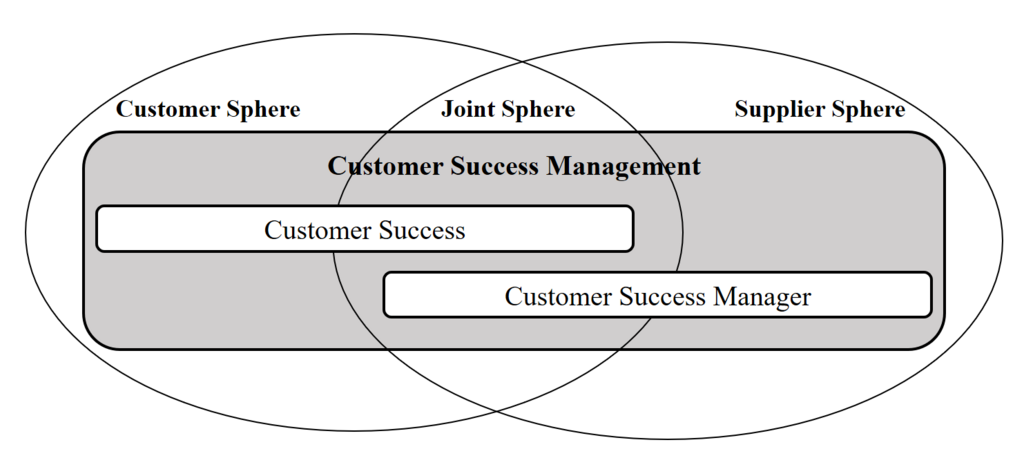
This proactive approach helps customers achieve their goals, which makes them more likely to renew their subscription. It also opens up opportunities for 'upselling' (moving them to a more expensive plan) or 'cross-selling' (selling them additional products or features).
In essence, SaaS sales is about demonstrating value not just once, but continuously. It’s a dynamic, relationship-driven field where the success of your customer is directly tied to your own.
Time to check what you've learned about the fundamentals of SaaS sales.
What is the primary difference between the SaaS sales model and traditional sales?
In a SaaS business, the loss of customers is referred to as ____.