Mastering Russian Grammar Basics
Russian Alphabet
The Cyrillic Alphabet
The Russian alphabet, called Cyrillic, has 33 letters. Your first step to reading Russian is getting comfortable with these characters. Many will look familiar, but some have surprising sounds. Others will be completely new.
Let's break them down into a few simple groups to make them easier to learn.
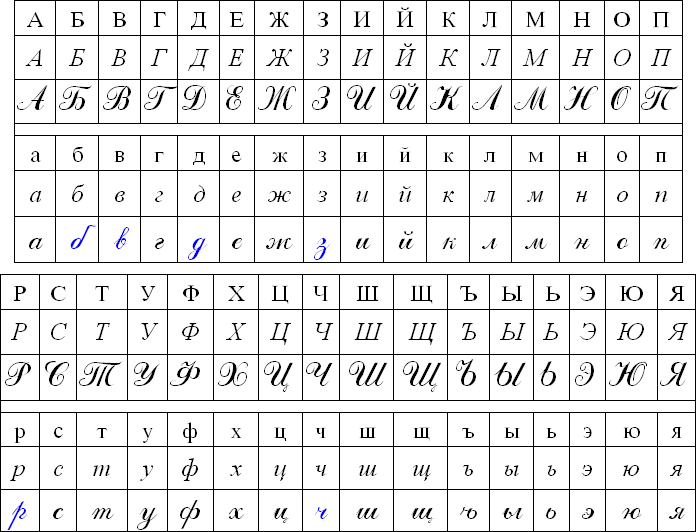
Familiar Faces, Familiar Sounds
This first group is easy. These letters look and sound almost exactly like their English counterparts. You already know them!
| Cyrillic | Pronunciation | Example Word |
|---|---|---|
| А а | Like the 'a' in father | атом (atom) |
| К к | Like the 'k' in kite | кто (who) |
| М м | Like the 'm' in mom | дом (house) |
| О о | Like the 'o' in more | он (he) |
| Т т | Like the 't' in table | тут (here) |
Familiar Faces, New Sounds
This is where things get interesting. These letters look like English letters, but they represent completely different sounds. Think of them as "false friends." Learning these well is key to avoiding confusion.
| Cyrillic | Looks Like | Pronunciation | Example |
|---|---|---|---|
| В в | B | 'v' as in van | вода (water) |
| Е е | E | 'ye' as in yes | если (if) |
| Н н | H | 'n' as in nose | нет (no) |
| Р р | P | A rolled 'r' sound | радио (radio) |
| С с | C | 's' as in sun | сын (son) |
| У у | Y | 'oo' as in food | урок (lesson) |
| Х х | X | 'kh' like the 'ch' in Loch Ness | хлеб (bread) |
Notice that 'P' makes an 'r' sound and 'C' makes an 's' sound. These are common mix-ups for beginners.
New Shapes, New Sounds
These letters are unique to Cyrillic and other related alphabets. Don't let them intimidate you. Each has a consistent sound that's easy to pick up with a little practice.
| Cyrillic | Pronunciation | Example |
|---|---|---|
| Б б | 'b' as in boy | брат (brother) |
| Г г | 'g' as in go | год (year) |
| Д д | 'd' as in dog | да (yes) |
| Ё ё | 'yo' as in yo-yo | ёлка (fir tree) |
| Ж ж | 'zh' like the 's' in measure | жук (beetle) |
| З з | 'z' as in zoo | зонт (umbrella) |
| И и | 'ee' as in see | имя (name) |
| Й й | 'y' as in boy (short 'ee' sound) | мой (my) |
| Л л | 'l' as in love | лампа (lamp) |
| П п | 'p' as in pet | папа (dad) |
| Ф ф | 'f' as in fun | факт (fact) |
| Ц ц | 'ts' as in cats | цвет (color) |
| Ч ч | 'ch' as in chair | чай (tea) |
| Ш ш | 'sh' as in shoe | школа (school) |
| Щ щ | A softer 'sh-ch' sound | борщ (borscht) |
| Э э | 'e' as in met | это (this is) |
| Ю ю | 'yu' as in you | юг (south) |
| Я я | 'ya' as in yard | я (I) |
There are two more characters in the alphabet, but they don't make sounds. Instead, they modify the sounds of the letters around them.
- Ъ (The Hard Sign): This is rare. It creates a slight pause between a consonant and a vowel.
- Ь (The Soft Sign): This is very common. It makes the consonant before it "soft," as if you're about to say a 'y' sound right after it.
You'll get a feel for how these work as you learn more words. For now, just focus on recognizing them.
Ready to test your knowledge? Let's see how well you can recognize these new letters.
Which Cyrillic letter looks like the English 'P' but sounds like the English 'R'?
The Cyrillic letter 'Н' looks like an English 'H', but it actually makes an 'N' sound.
Great work. Mastering the alphabet is the single most important first step. Keep practicing, and soon you'll be able to sound out any Russian word you see.