Mastering RPO in Football
Introduction to Trick Plays
The Art of Deception
In football, most plays are straightforward. The offense tries to run or pass the ball through the defense. But sometimes, a team needs an element of surprise. This is where trick plays come in. A trick play is a special kind of offensive play designed to fool the defense into thinking something normal is happening, only to do the exact opposite.
The main goal is deception. By catching the defense off guard, the offense can create a huge opening for a long gain or even a touchdown. These plays are high-risk, high-reward, and they rely on precise execution and perfect timing. They aren't just for show; they're a powerful tool for shifting momentum in a close game.
Classic Forms of Trickery
Several types of trick plays have become staples of the game. One of the most famous is the flea flicker. It starts like a simple running play. The quarterback hands the ball to the running back, who runs toward the line of scrimmage. This draws the defense in, expecting a run. But just before he's tackled, the running back quickly pitches the ball back to the quarterback. With the defense now out of position, the quarterback throws a deep pass to a wide-open receiver.
Another common trick play is the reverse. Like the flea flicker, it uses misdirection to fool defenders.
In a reverse, the quarterback hands the ball to a player (like a running back) running toward one side of the field. This causes the defense to flow in that direction. The ball carrier then hands the ball off to another player (often a wide receiver) running in the opposite direction. This second player now has a clear field ahead of him as the defense scrambles to change direction.
Other trick plays include the Statue of Liberty, where the quarterback fakes a pass while another player grabs the ball from their outstretched hand, and the hook and ladder, where a player catches a short pass and immediately laterals it to a trailing teammate. Each one works on the same principle: make the defense think one thing is happening, then do another.
Calculated Risks
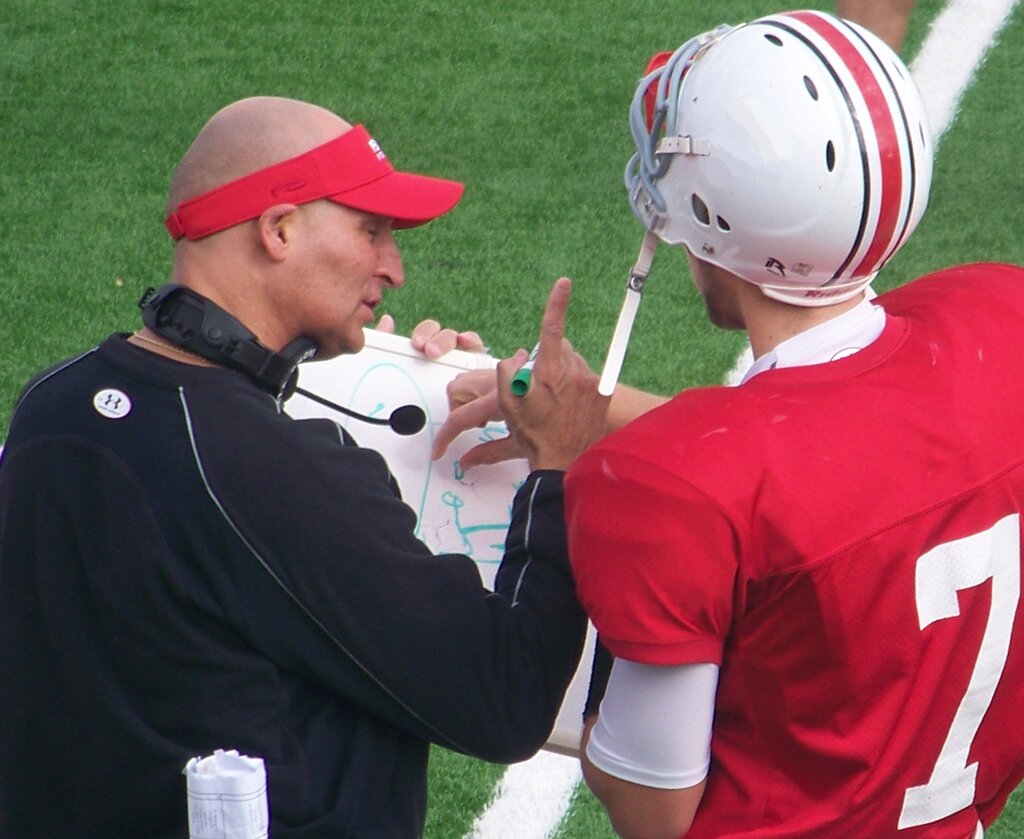
Calling a trick play isn't a random decision. It's a strategic gamble. A coach will often set up a trick play by running a standard play multiple times. For example, if a team runs the same simple handoff to the right side several times, the defense will start to anticipate it. That's the perfect moment to call a reverse to the left side.
Deception is a key element of football strategy. While a team's success is built on consistent execution of basic plays, a well-timed trick play can be the single moment that changes the outcome of a game. It injects unpredictability and forces the defense to stay honest, making the offense's standard plays more effective in the long run.
Now, let's test your knowledge on these deceptive strategies.
What is the primary goal of a trick play in football?
In which play does the quarterback fake a pass while another offensive player takes the ball from their hand?
Understanding trick plays reveals a deeper layer of strategy in football, where misdirection is as important as raw power.