Mastering Rope Flow
Introduction to Rope Flow
What is Rope Flow?
Rope flow is a unique fitness practice that blends the athletic benefits of rope training with graceful, dance-like movements. Instead of jumping over the rope, you move it around your body in fluid patterns. Think of it less as a high-impact cardio session and more as a moving meditation that builds coordination, strength, and mobility all at once.
The practice has roots in traditional training methods used by wrestlers and martial artists for conditioning. Over time, it evolved, incorporating principles from dance, yoga, and other movement disciplines. The goal isn't speed or intensity, but rather creating a seamless, continuous motion, or 'flow,' with the rope.
The core idea is to move the rope around your body, not your body over the rope.
Why Try Rope Flow?
Rope flow offers a surprising range of benefits. It's a fantastic full-body workout that engages your core, shoulders, arms, and legs as you stabilize and move. The patterns might look simple, but they require constant communication between your brain and body, sharpening your coordination and balance over time. It's like learning to pat your head and rub your stomach, but with your entire body.
The continuous, circular movements are also gentle on your joints, promoting flexibility and mobility in your shoulders, hips, and spine. Many people also find the rhythmic nature of rope flow to be highly meditative. Focusing on the pattern helps quiet the mind, creating a mental 'flow state' where you feel present and fully engaged in the movement.
Getting Started
The great thing about rope flow is its simplicity. You only need one piece of equipment: a rope. However, this isn't your standard jump rope. Flow ropes are typically heavier and more flexible, which helps you feel the momentum as you move it. A heavier rope provides better feedback, making it easier to learn the patterns.
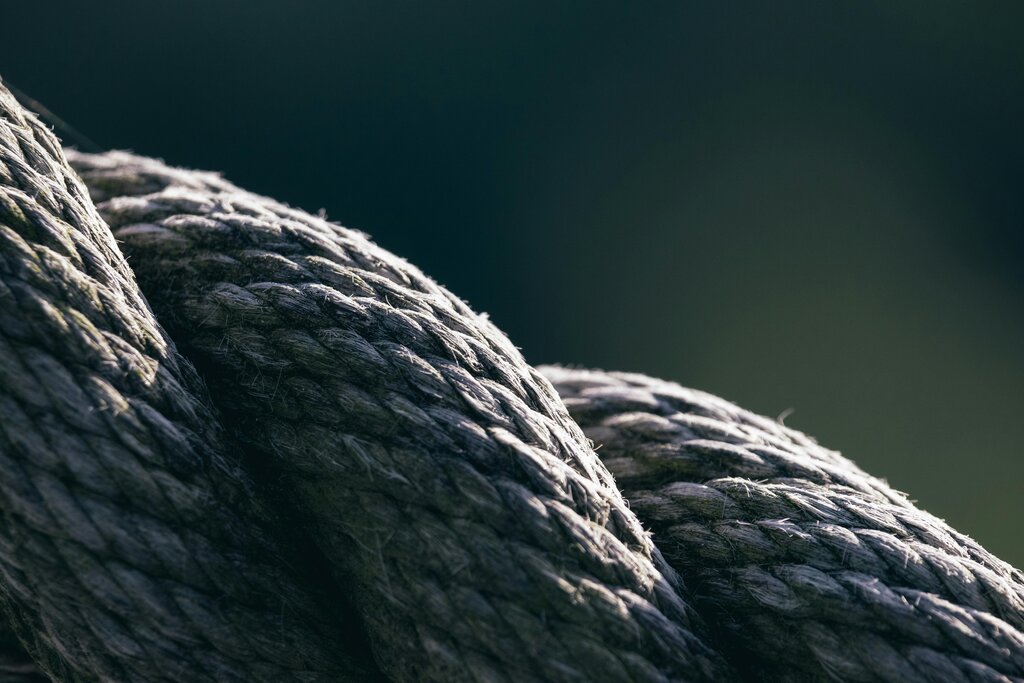
When choosing a rope, look for one that is about as long as you are tall. As for weight, beginners often start with a rope weighing between one and two pounds.
Safety is straightforward but important. Make sure you have plenty of space around you to swing the rope without hitting furniture, pets, or people. An open area, indoors or out, is ideal. Start slowly to get a feel for the rope's weight and momentum. Focus on creating smooth, controlled movements rather than fast, jerky ones. A light grip and good posture will help you avoid unnecessary strain on your wrists and shoulders.
Key Safety Tip: Always ensure your surroundings are clear before you begin practicing.
Ready to check your understanding of the basics?
What is the primary characteristic that distinguishes rope flow from traditional jump rope?
According to the text, which of the following is NOT a primary benefit of practicing rope flow?
With these fundamentals in mind, you're ready to begin exploring the basic movements of rope flow.