Mastering Roofing Techniques
Roofing Basics
What a Roof Does
A roof is more than just a cover for a building. It's the first line of defense against the weather, a critical part of the building's structural integrity, and a key player in energy efficiency.
Its most obvious job is to keep the outside out. Rain, snow, hail, and wind are all blocked by the roof, protecting the interior of the home and its occupants. It also shields the house from the sun's heat and ultraviolet rays, which can damage building materials over time.
Beyond protection, a roof helps a home maintain a stable temperature. It works with the attic and insulation to keep warm air inside during the winter and hot air out during the summer. This thermal barrier is crucial for comfort and for keeping energy bills in check.
The Anatomy of a Roof
A complete roofing system is made of several layers that work together. While you only see the top layer, what's underneath is just as important. These components form a tough, waterproof shield.
Let's break down these parts:
- Deck: This is the foundation of the roof, typically made of plywood or oriented strand board (OSB). It's the layer that attaches to the structural trusses and rafters of the house.
- Underlayment: A layer of water-resistant or waterproof material is installed on top of the deck. Its job is to serve as a secondary barrier against moisture that might get past the main roofing material.
- Flashing: Around chimneys, skylights, and vents, pieces of metal or other impervious material called flashing are installed. Flashing directs water away from these vulnerable areas where leaks are most likely to occur.
- Covering: This is the outermost layer you see, such as shingles, tiles, or metal panels. It's the primary barrier against the weather and defines the roof's appearance.
Types of Roofing Systems
The right roofing system depends on the building's design, climate, and budget. While there are many options, most residential roofs fall into a few common categories.
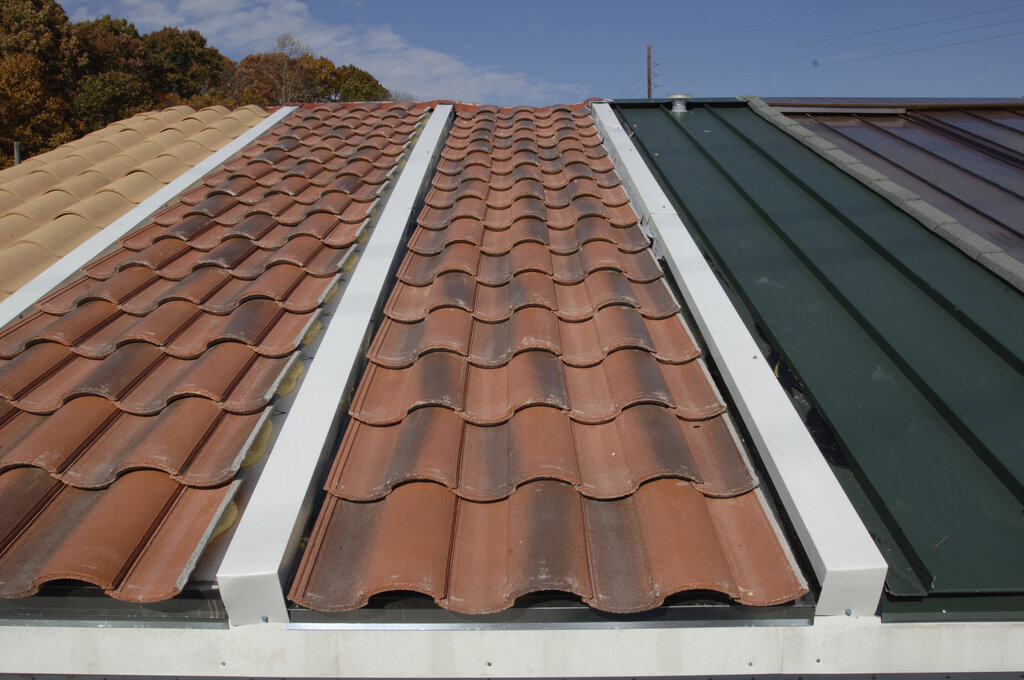
Asphalt Shingles: The most common roofing material in North America, asphalt shingles are popular because they are affordable and relatively easy to install. They consist of a fiberglass or cellulose mat coated in asphalt and topped with mineral granules.
Metal Roofing: Once used mostly for commercial buildings, metal roofs are gaining popularity for homes. They are extremely durable, long-lasting, and fire-resistant. Materials include steel, aluminum, and copper.
Tile Roofing: Made from clay or concrete, tiles offer a distinctive look and exceptional durability. They are very heavy and require a strong roof structure to support their weight, but they can last for a century or more.
Flat Roofing Systems: Buildings with low-slope or flat roofs require different materials. These systems use waterproof membranes made from materials like EPDM (a synthetic rubber), TPO (a thermoplastic), or modified bitumen to create a continuous, seamless surface that prevents water from pooling.
Each roofing material has its own set of advantages in terms of cost, lifespan, and resistance to different types of weather.
Now, let's test your knowledge on the fundamentals of roofing.
What is the primary function of the roof's underlayment?
Which part of the roofing system is its foundation, typically made of plywood or OSB?
Understanding these basic components and types is the first step in learning about any roofing project.