Mastering Roadmapping Workshops
Understanding Roadmaps
What's a Roadmap?
A roadmap is a high-level, visual summary of your strategy. Think of it like a map for a long road trip. You know your final destination (the vision), and you mark the major cities you'll pass through along the way (the key initiatives). It doesn't show every single turn or stop for gas; it just shows the big picture and the intended path.
In business, a roadmap communicates where a product or company is going and why it matters. It’s a tool for aligning teams, executives, and customers on a shared vision. It answers the big questions: What are we building? Why are we building it? And what outcomes do we expect?
The product roadmap is a key point of reference to keep product strategy, business objectives, and execution aligned.
This strategic focus is what separates a roadmap from a project plan. A project plan is tactical; it lists specific tasks, assigns resources, and sets firm deadlines. A roadmap is strategic; it outlines goals and priorities, providing direction while allowing for flexibility.
Different Roads for Different Goals
Just as you'd use different maps for hiking versus driving, there are different types of roadmaps for different business needs. The one you choose depends on your audience and what you're trying to communicate.
| Roadmap Type | Focus | Primary Audience | Purpose |
|---|---|---|---|
| Product Roadmap | Product features and user benefits over time. | Product teams, engineering, marketing, sales. | To guide the development of a specific product. |
| Technology Roadmap | Upgrades, new systems, and IT infrastructure. | Engineering teams, IT, chief technology officers. | To plan for the technological evolution of the company. |
| Strategic Roadmap | High-level company initiatives and goals. | Leadership, board members, entire departments. | To align the whole organization on long-term objectives. |
A product roadmap is often the most detailed of the three. It visualizes how a product will grow and evolve, often breaking down upcoming work into themes or major features.
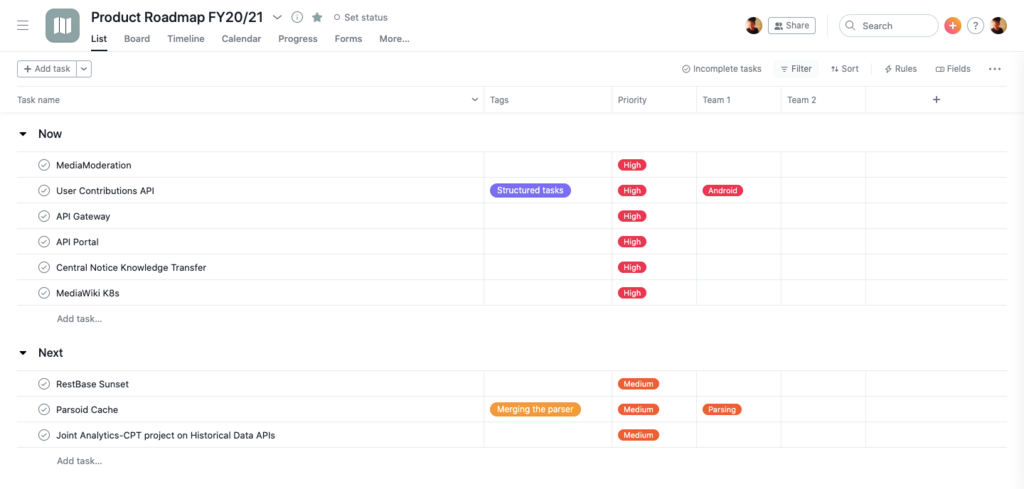
The Makings of a Good Roadmap
An effective roadmap isn't just a wish list of features. It's a carefully crafted document with a few key ingredients.
A great roadmap connects the day-to-day work of the team to the company's overall vision. Every item on it should have a clear "why."
Strong roadmaps are organized by themes. A theme is a high-level goal, like “Improve the checkout experience” or “Make our app faster on mobile.” Grouping work under themes keeps the focus on solving customer problems rather than just shipping features. This approach also makes it easier to explain your priorities to stakeholders.
By organizing your roadmap by themes, you’re guiding the decision process for your top priorities.
They also use broad time horizons instead of exact dates. You'll often see columns like "Now," "Next," and "Later." This signals that a roadmap is a statement of intent, not a promise set in stone. It builds in flexibility, allowing teams to adapt as they learn new information from customers or as market conditions change.
Why Bother?
Creating and maintaining a roadmap takes effort, but the benefits are significant. They serve as a powerful communication tool, creating a single source of truth for what's coming next.
For internal teams, a clear roadmap fosters alignment and focus. It helps designers, engineers, and marketers understand how their work contributes to the bigger picture. When everyone is pulling in the same direction, collaboration improves and decisions get made faster.
When you use a true product roadmap to guide these discussions, you have the chance to walk your stakeholders through your strategic plans and objectives for the product.
For external stakeholders like customers or investors, a roadmap builds confidence and manages expectations. It shows that there is a thoughtful strategy behind the product and provides visibility into the future. It’s not just a plan; it's a story about where you are, where you're going, and the value you intend to create along the way.
Time for a quick review of these key ideas.
What is the primary purpose of a business roadmap?
A key distinction between a roadmap and a project plan is that a roadmap is strategic, while a project plan is tactical.
With these fundamentals, you can better understand how organizations turn a big vision into a series of achievable steps.