Mastering Retrieval-Augmented Generation
Introduction to Large Language Models
What Are Large Language Models?
Large language models, or LLMs, are a type of artificial intelligence designed to understand and generate human-like text. Think of them as incredibly advanced autocomplete systems. While your phone might suggest the next word in a sentence, an LLM can predict and generate entire paragraphs, articles, or even computer programs.
Large language models (LLMs) are AI systems that understand and create human language, doing tasks like summarizing articles, answering questions, writing code, and more.
The "large" in their name refers to two things: the enormous amount of data they are trained on and the massive size of the model itself, which can have billions of parameters. These parameters are like knobs that the model adjusts during training to capture the nuances of language, from grammar and facts to writing styles and reasoning.

How LLMs Are Built
At their core, most modern LLMs are built on a specific neural network design called the Transformer architecture. This architecture is particularly good at handling sequential data like text, allowing the model to weigh the importance of different words in a sentence when processing and generating language.
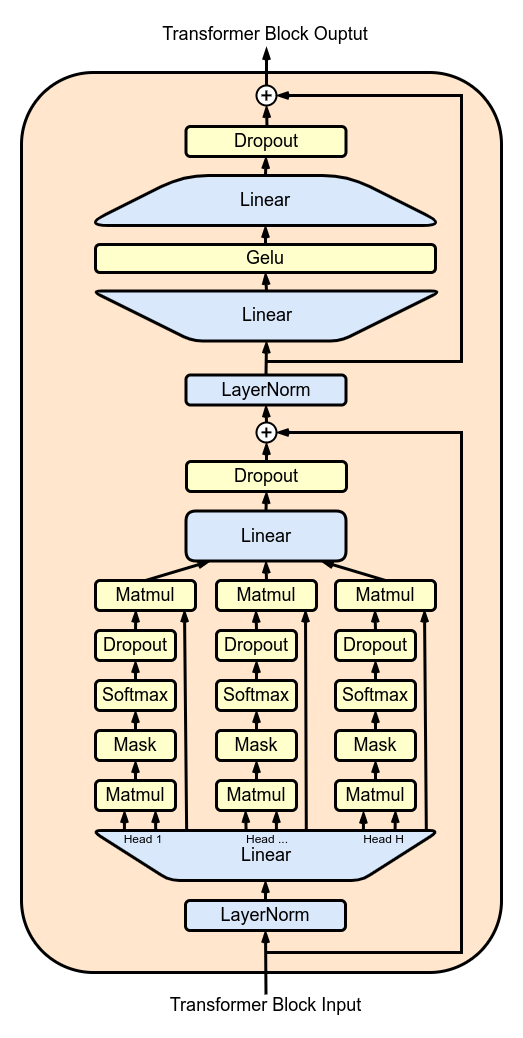
Building an LLM involves a multi-stage training process.
- Pre-training: The model is first trained on a massive, general dataset, like a huge snapshot of the internet and digital books. In this phase, its main task is simple: predict the next word in a sequence. By doing this billions of times, it learns grammar, facts, and the underlying patterns of language.
- Fine-tuning: After pre-training, the general model is further trained on a smaller, more specialized dataset. This process refines the model for a specific purpose, such as carrying on a conversation, summarizing legal documents, or writing code.
Common Applications
LLMs are versatile tools used in a wide range of applications. Their ability to process and generate natural language makes them useful for both businesses and consumers. Some of the most common uses are:
| Application | Description |
|---|---|
| Content Creation | Writing articles, marketing copy, emails, and even poetry. |
| Summarization | Condensing long reports or articles into brief summaries. |
| Language Translation | Translating text from one language to another with high accuracy. |
| Question Answering | Acting as chatbots or virtual assistants to answer user queries. |
| Code Generation | Assisting programmers by writing snippets of code or debugging existing code. |

These models are constantly evolving, becoming more capable and integrated into the digital tools we use every day. Now, let's test your understanding of these powerful AI systems.
What is the primary function of a Large Language Model (LLM)?
The 'large' in Large Language Model primarily refers to the massive amount of training data and the model's enormous number of parameters.
Understanding the basics of what LLMs are, how they're trained, and what they can do provides a solid foundation for exploring the world of modern AI.