Mastering Residential Electrical Wiring
Electrical Safety Standards
The Rules of Safe Electricity
Think of electrical wiring like a highway system. When everyone follows the rules of the road—staying in their lanes, stopping at red lights, observing speed limits—traffic flows smoothly and safely. When people ignore the rules, accidents happen. Electrical codes are the rules of the road for electricity in your home. They aren't just helpful suggestions; they are legally enforceable standards designed to protect people and property from electrical hazards.
Following electrical codes ensures that wiring is installed correctly, preventing fires, shocks, and equipment damage.
The National Electrical Code (NEC)
The most important rulebook for residential wiring in the United States is the National Electrical Code, also known as NFPA 70. Published by the National Fire Protection Association (NFPA), the NEC is the benchmark for the safe design, installation, and inspection of electrical wiring and equipment.
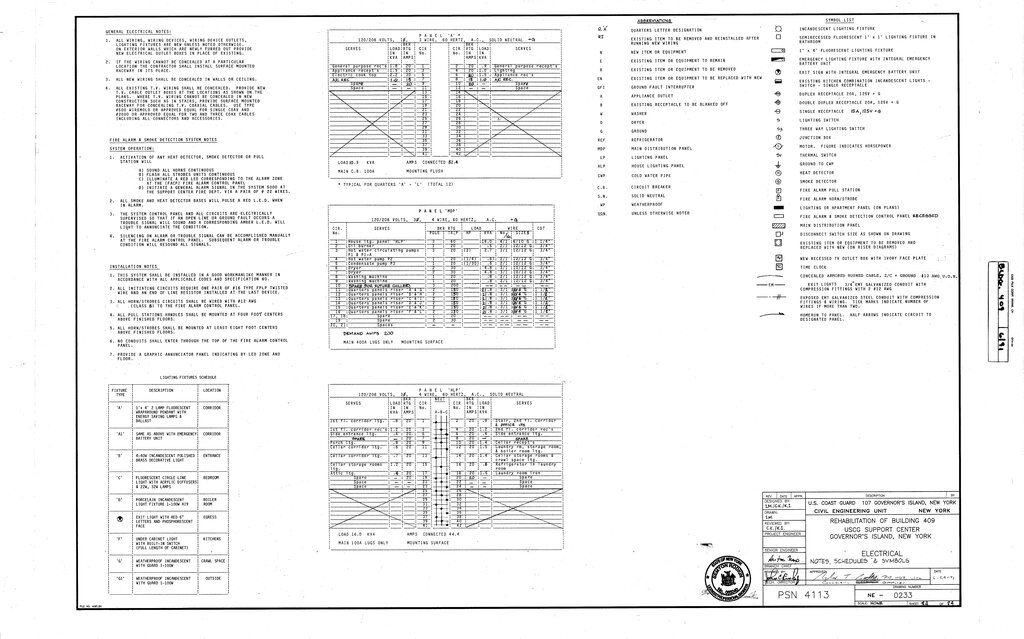
It’s important to know that the NEC is not a federal law. Instead, it’s a standard that is typically adopted into law by local states and municipalities. This means your local jurisdiction might have amendments or additional rules you need to follow. The NEC is updated every three years to keep up with new technology and safety practices.
The code is organized into a logical structure, making it easier to find specific rules. For residential wiring, a few key chapters are especially important.
| Chapter | Content | What it Covers |
|---|---|---|
| 1 | General | Foundational rules, definitions, and requirements for electrical installations. |
| 2 | Wiring and Protection | Rules for circuits, grounding, and overcurrent protection like circuit breakers and fuses. |
| 3 | Wiring Methods | Requirements for the types of cables and conduits used to run wires through your home. |
| 4 | Equipment | Rules for installing specific equipment like light fixtures, outlets, and appliances. |
Familiarize yourself with relevant electrical codes and standards such as the National Electrical Code (NEC).
Other Key Safety Standards
While the NEC is the primary guide for wiring inside your home, a couple of other standards are worth knowing about. They complete the picture of electrical safety from the power plant all the way to your outlets.
NESC
other
The National Electrical Safety Code (NESC) sets the ground rules for the safe installation, operation, and maintenance of electric utility systems. Think of it as the code for the power lines and equipment outside your home.
The NESC covers the infrastructure that brings power to your property, like overhead power lines and underground conduits. While a homeowner won't use the NESC for a DIY project, it's the standard that ensures power is delivered to your home safely.
NFPA 70E
other
NFPA 70E is the Standard for Electrical Safety in the Workplace. It's focused on safe work practices to protect workers from major electrical hazards like electrocution, electric shock, and arc flash—a dangerous explosion of electrical energy.
This standard outlines safety procedures such as de-energizing equipment before working on it and using personal protective equipment (PPE). While its main audience is professional electricians in commercial or industrial settings, its principles are universal.
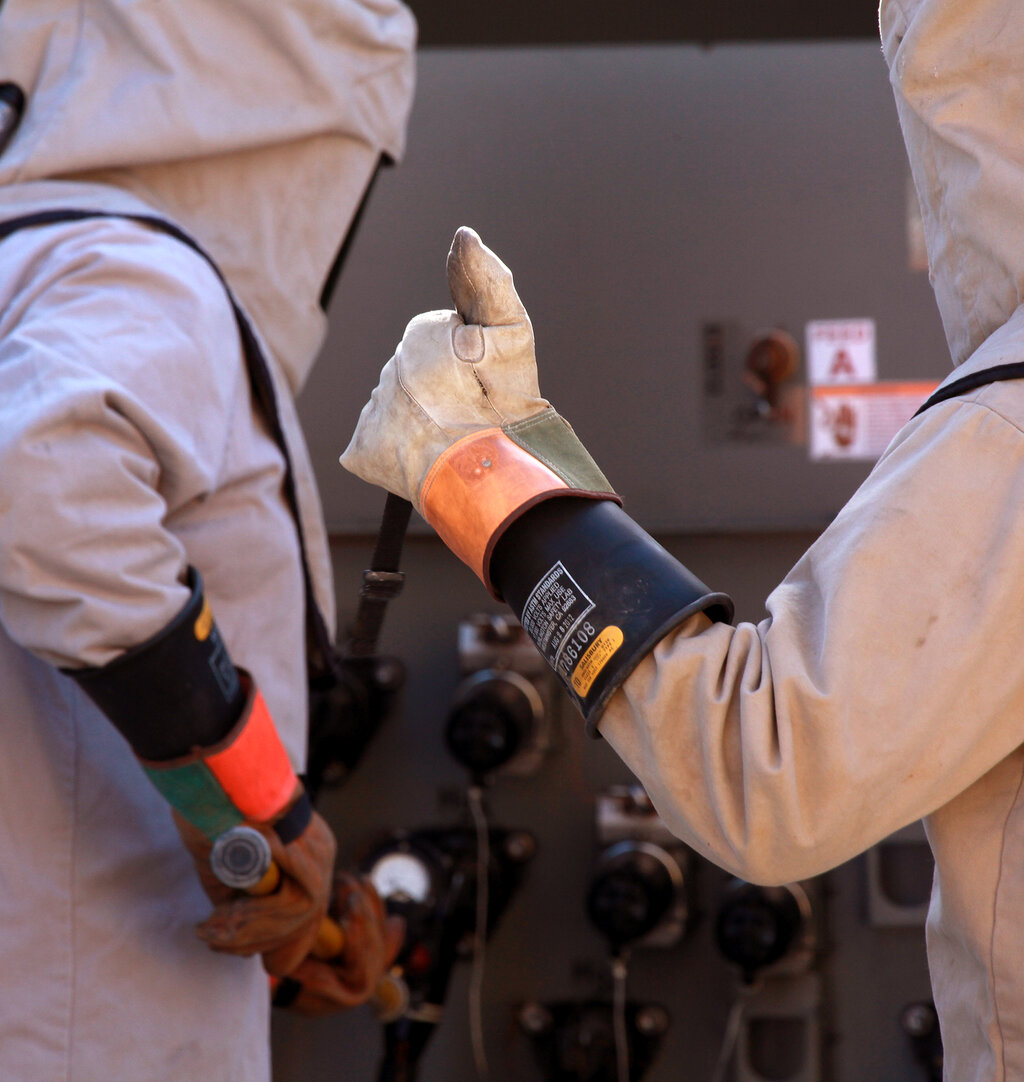
Always turning off the circuit breaker and verifying that the power is off before starting work is a core principle of NFPA 70E that applies to everyone, whether you're a professional electrician or a homeowner changing a light fixture. Compliance with these codes isn't just about following rules; it's the foundation of a safe and reliable electrical system.
What is the primary purpose of electrical codes like the National Electrical Code (NEC)?
True or False: The National Electrical Code (NEC) is a federal law that applies uniformly across the entire United States.