Mastering Research Skills
Introduction to Research
What is Research?
At its core, research is a process of systematic inquiry. It’s about asking questions and finding answers in a structured way. We do research to discover new information, interpret facts, and revise our understanding of the world. Think of it as building a massive, shared library of knowledge, one study at a time.
At its core, research is a systematic investigation into a subject in order to establish facts, gather information, and draw conclusions.
The goal isn't just to collect information, like you might for a book report. It's to produce new knowledge or create a deeper understanding of something that wasn't fully understood before.
Two Flavors of Research
Research generally comes in two main types: basic and applied. While they have different goals, they often work together.
Basic Research
other
Research driven by curiosity or interest in a scientific question. The main motivation is to expand human knowledge, not to create or invent something.
Basic research lays the foundation of knowledge. Scientists conducting basic research are exploring the unknown without a specific, practical application in mind. They might study the properties of a distant star or the way a particular protein folds. These findings might not seem immediately useful, but they are the building blocks for future discoveries.
Applied Research
other
Research designed to solve a specific practical problem or to answer a certain question. It's focused on finding solutions that can be used in the real world.
Applied research takes the knowledge gained from basic research (and other sources) and uses it to tackle real-world challenges. When engineers develop a more efficient solar panel, or when doctors test a new cancer treatment, they are conducting applied research. It bridges the gap between scientific discovery and practical use.
Why Research Matters
Research is the engine of progress. In medicine, it leads to life-saving vaccines and treatments. In technology, it gives us everything from smartphones to artificial intelligence. In the social sciences, research helps us understand human behavior, improve education, and create more effective public policies.
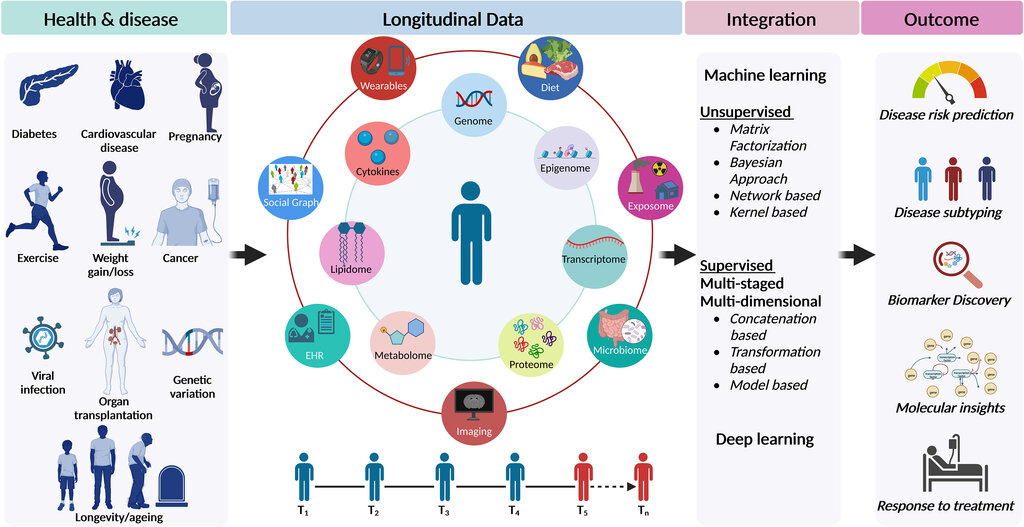
Every field relies on research to advance. Farmers use it to grow more food, businesses use it to create better products, and governments use it to make informed decisions. It's how we solve complex problems and improve our quality of life.
Playing by the Rules
Because research has such a significant impact, it must be conducted responsibly. This is where ethics come in. Research ethics are the moral principles that guide researchers.
Key principles include:
- Honesty: Reporting data and results truthfully, without fabricating or misrepresenting findings.
- Integrity: Keeping promises and agreements, and acting with sincerity.
- Objectivity: Avoiding bias in experimental design, data analysis, and interpretation.
- Respect for People: When research involves human participants, their rights, dignity, and privacy must be protected. This includes getting their informed consent before they participate.
Ethical research builds public trust and ensures that the pursuit of knowledge doesn't come at the cost of human welfare or scientific credibility.

These principles ensure that research is credible and that its benefits are achieved without compromising moral values.
What is the primary goal of research?
A pharmaceutical company is conducting clinical trials to test the effectiveness of a new drug designed to lower blood pressure. This is an example of:
Research is a powerful tool for understanding our world and shaping our future. By asking questions, seeking answers systematically, and upholding strong ethical standards, we can continue to build a better, more informed society.