Mastering Research Papers
Understanding Research Papers
The Anatomy of a Research Paper
Research papers are the primary way scientists and scholars share new discoveries. They aren't just summaries of findings; they are structured arguments that present new knowledge in a way that others can understand, evaluate, and build upon. To do this effectively, most papers follow a consistent format.
Most research papers follow a similar format (IMRAD).
This format is called IMRAD, which stands for Introduction, Methods, Results, and Discussion. It’s a logical flow that tells a complete story, from the initial question to the final interpretation. Think of it as a blueprint that guides both the writer and the reader through the research journey.
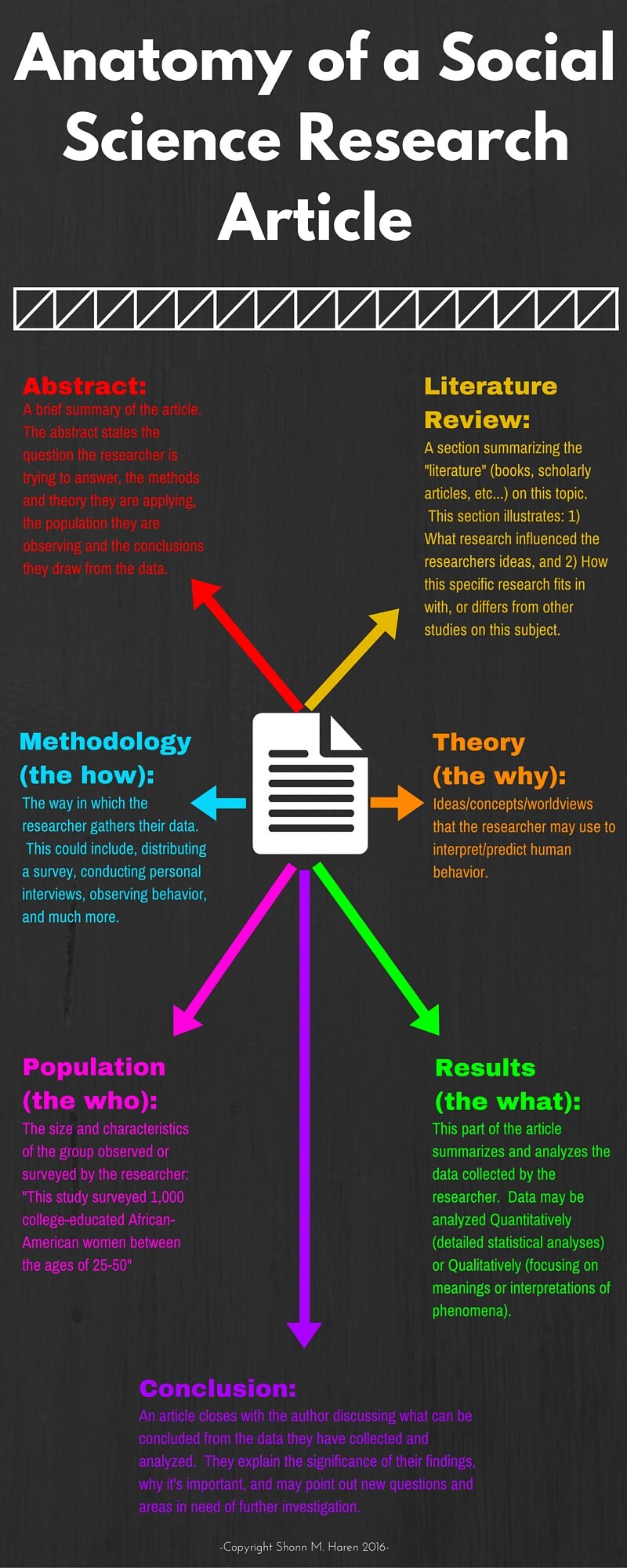
Introduction: What and Why
The Introduction sets the stage. It starts broad by providing the background context a reader needs to understand your topic. It then narrows down to identify a specific problem or gap in the existing knowledge. Finally, it states the specific research question or hypothesis the paper will address.
This section essentially makes a case for why the research is important and necessary. By the end of the introduction, a reader should have a clear understanding of what you're studying and why it matters.
The Introduction answers the question: Why did you do this study?
Methods: How You Did It
The Methods section is the recipe for your study. It provides a detailed, step-by-step account of how you conducted your research. This includes the materials you used, the procedures you followed, and the techniques you used for data analysis.
The goal here is transparency and replicability. The description should be so clear that another researcher could, in theory, repeat your study exactly. This is crucial for verifying your findings and building trust in your results.
The Methods section answers the question: What did you do?
Results: What You Found
This section presents the findings of your research objectively, without any interpretation or commentary. It's a straightforward report of the data you collected. The results are often presented visually through tables, charts, and figures, with accompanying text that guides the reader through the key findings.
Think of this section as pure information. It sticks to the facts and tells the reader exactly what the data shows.
The Results section answers the question: What did you find?
Discussion: What It Means
The Discussion is where you interpret your findings. You explain what your results mean in the context of your research question and the existing literature you mentioned in the introduction. It’s your chance to analyze your findings, explain their significance, and suggest what they imply for the field.
This section also addresses any limitations of your study. No study is perfect, and acknowledging potential weaknesses shows a thorough understanding of your work. The discussion often concludes by suggesting directions for future research.
The Discussion section answers the question: What does it all mean?
Understanding the IMRAD structure is the first step toward both reading scientific literature effectively and writing a clear, compelling research paper of your own. Let's test your knowledge.
What does the acronym IMRAD stand for in the context of a scientific paper?
In which section of an IMRAD paper would a researcher provide a detailed recipe of their experiment, clear enough for another scientist to replicate it?
Mastering the IMRAD format gives you a powerful tool for navigating the world of research. Each section has a clear job to do, and together they create a logical narrative that moves from a broad question to a specific answer and its wider implications.