Mastering Research Papers
Understanding Research Papers
What's a Research Paper?
A research paper is how new knowledge officially enters the world. It’s a formal, structured document where researchers present their original findings to their peers and the public. Think of it as a detailed report from the front lines of discovery.
It’s not just a summary of things already known. A true research paper adds something new to the conversation. Whether it's a scientific experiment, a historical analysis, or a new way of looking at literature, the goal is to share a fresh insight backed by evidence. It’s a bit like a detective presenting their final case report: they state the mystery they were trying to solve, describe exactly how they investigated, lay out the evidence they found, and finally, explain what it all means.
The core purpose of a research paper is to communicate a specific piece of original research clearly and transparently, allowing others to build upon or critique the work.
To make this communication effective, most research papers follow a standard format. This shared structure ensures that readers know where to find specific information, no matter the topic.
The Blueprint of Discovery
Most research papers follow a similar format (IMRAD).
This format is called IMRAD, an acronym that stands for Introduction, Methods, Results, and Discussion. It’s a logical flow that tells the complete story of the research project from beginning to end.
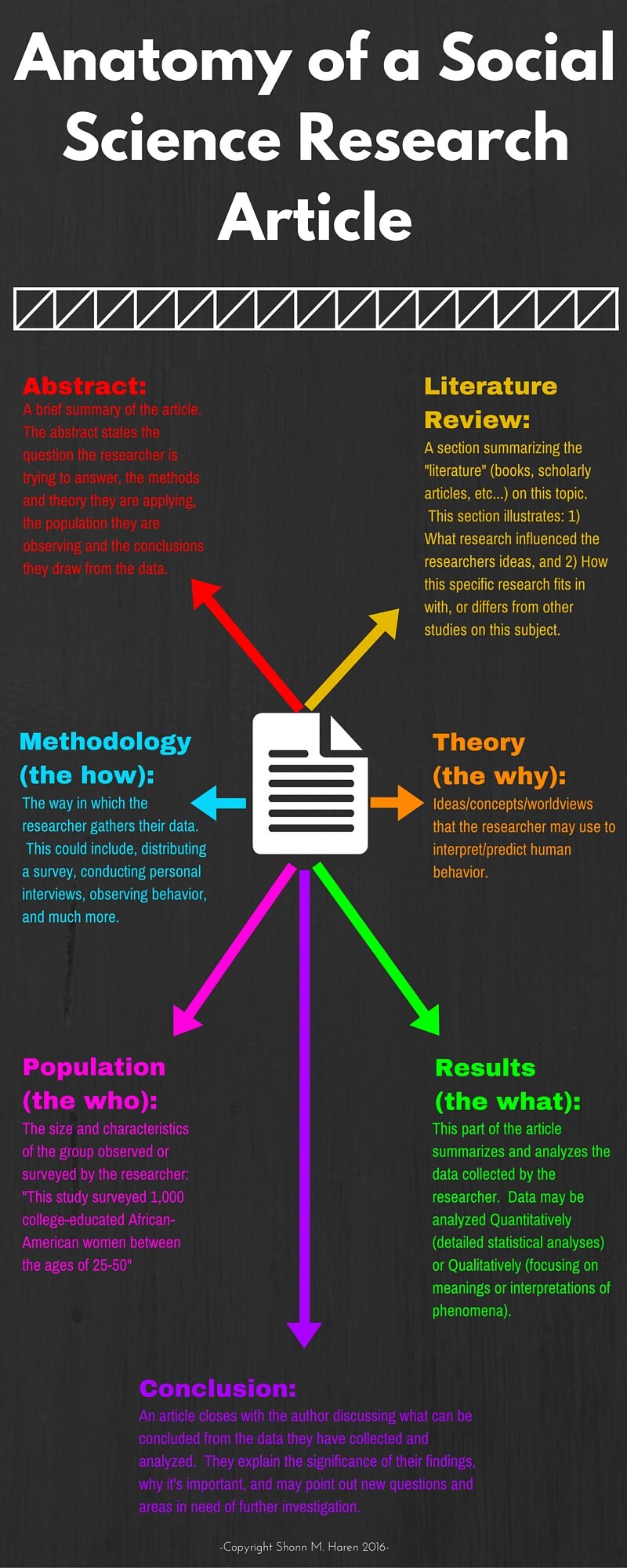
Let’s break down what each section does:
-
Introduction: This sets the stage. It explains why the research was done. It provides background on the topic, points out a gap in current knowledge, and states the specific question the paper aims to answer. Essentially, it tells you what the problem is and why it's important.
-
Methods: This is the “how-to” section. It provides a detailed account of how the researchers conducted their study. It should be so clear that another researcher could theoretically repeat the experiment just by reading it. This section is all about transparency and repeatability.
-
Results: This section presents the findings, plain and simple. It’s a straightforward report of what the researchers observed or measured, often using tables, graphs, and charts. It doesn't interpret the findings—it just presents the raw data.
-
Discussion: Here, the researchers explain what it all means. They interpret the results, explain their significance, and connect them back to the original question from the introduction. They might also mention the study's limitations and suggest directions for future research.
Why Structure Matters
The IMRAD structure isn't just about following rules. It’s about clarity and trust. When everyone uses the same blueprint, it’s easier for readers to quickly find the information they need. If you just want to know how a study was done, you can jump straight to the Methods section. If you only care about the main takeaway, you can focus on the Discussion.
This predictable format makes science a global, collaborative effort. It allows researchers from different labs and different countries to understand and build upon each other's work efficiently. A clear structure is the backbone of clear communication, which is essential for advancing knowledge.
Now, let's review the key components of a research paper.
Ready to test your knowledge?
What is the primary purpose of a research paper?
In which section of an IMRAD-formatted paper would you find graphs and tables presenting raw data without interpretation?
Understanding this basic structure demystifies academic articles. Once you know the pattern, you can read any paper with more confidence, knowing exactly how the story of its research will unfold.