Mastering Research Papers
Understanding Research Papers
What's a Research Paper?
A research paper is a way for scholars to have a conversation. Imagine walking into a party where a group is discussing something you find fascinating. You wouldn't just jump in and shout your opinion. First, you'd listen to what's been said to understand the conversation's history. Then, you'd add your own unique, informed point.
A research paper does the same thing. It's not just a summary of a topic. It's a focused piece of writing that presents a unique argument or finding, supported by evidence, and places it within the ongoing conversation of a specific field. It shows what others have discovered and then builds on it, adding a new piece to the puzzle.
A research paper is more than a simple summary; it's an in-depth exploration of a specific topic.
The Anatomy of a Paper
While topics vary wildly, the structure of most research papers is surprisingly consistent. This standard format helps readers know where to find specific information quickly. Think of it as a blueprint. The most common structure is often called IMRAD, which stands for Introduction, Methods, Results, and Discussion.
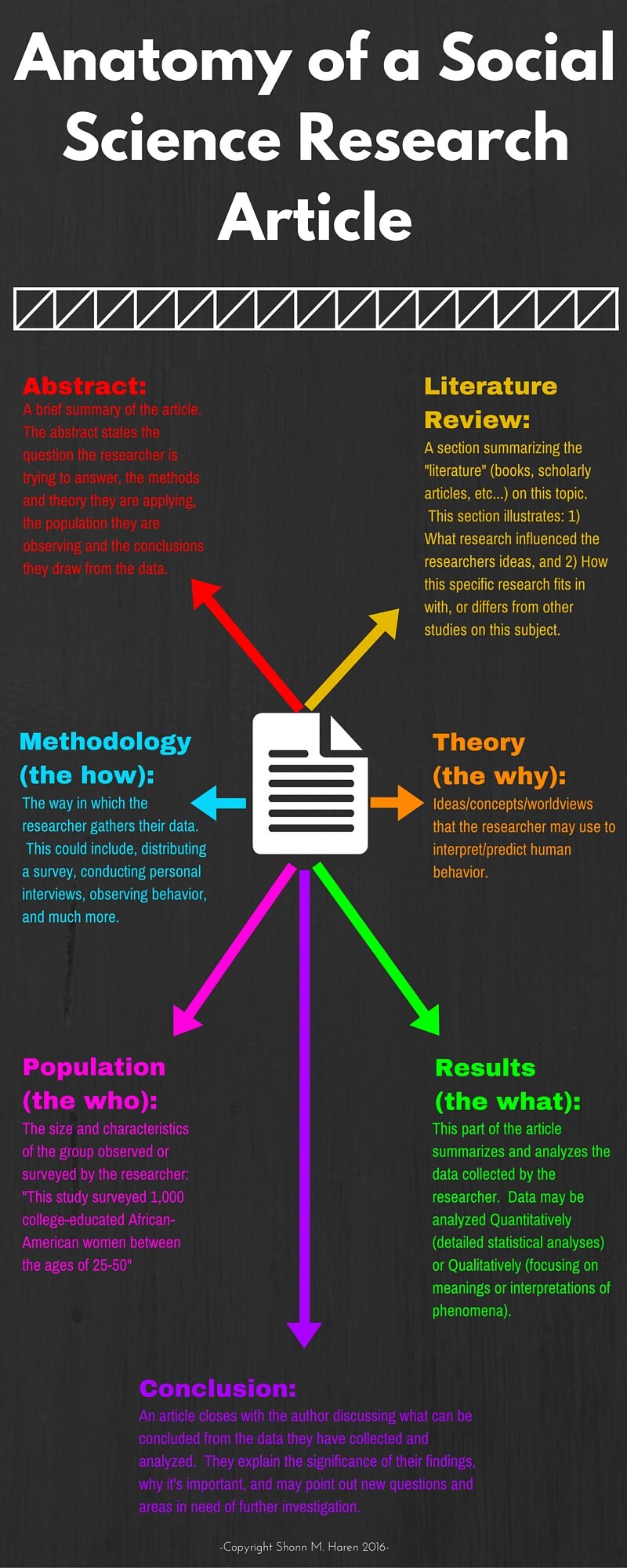
Here’s a breakdown of the key sections:
-
Introduction: This sets the stage. It introduces the topic, explains why it's important, and presents the specific problem or question the paper will address. It often ends with the thesis statement.
-
Literature Review: This section summarizes and synthesizes previous research on the topic. It's where the author demonstrates they've listened to the conversation so far, identifying what's known and where the gaps are.
-
Methodology: This is the “how-to” section. It describes exactly how the research was conducted—the experiments, surveys, or sources used. The goal is transparency; another researcher should be able to understand and even replicate the study based on this description.
-
Results: Here, the author presents the raw findings of their research. It’s a straightforward report of the data collected, often using charts, graphs, and tables. This section presents the facts without interpretation.
-
Discussion: This is where the author interprets the results. What do the findings mean? How do they answer the original research question? The discussion connects the new findings back to the existing literature, explaining how this research contributes to the field.
-
Conclusion: This section provides a concise summary of the paper's main points and findings. It restates the importance of the work and may suggest avenues for future research.
The Heart of the Argument
A good research paper is more than a collection of facts organized into sections. It’s a sustained, coherent argument that runs from start to finish. At the core of this argument is the thesis statement.
Thesis Statement
noun
A single, clear sentence that summarizes the main point or claim of a research paper.
The thesis statement is the paper's compass. It usually appears at the end of the introduction and tells the reader exactly what the paper will argue. Every section that follows should work to support and develop this central claim.
A strong thesis is specific, debatable, and focused. It's not a statement of fact, but a claim that needs to be proven with evidence.
Building a coherent argument means that each part of the paper logically flows from the last, all in service of the thesis. The literature review sets the context for the thesis. The methodology provides the basis for the evidence. The results present that evidence. And the discussion explains how the evidence proves the thesis.
When all these parts work together, the paper becomes a powerful and persuasive piece of communication that successfully joins the academic conversation.