Mastering Research Papers
Understanding Primary Sources
Back to the Source
When you want to understand something deeply, you go straight to the source. If you want to know what your friend thinks about a movie, you ask them directly. You don't ask someone else who heard it from another person. Research works the same way. The most powerful information comes from original, unfiltered materials known as primary sources.
Primary sources are first-hand accounts of a topic or event, from people who had a direct connection with it.
Think of yourself as a detective. A primary source is your direct evidence: the handwritten letter, the original photograph, the lab notebook, the piece of pottery. It's a raw piece of the past or a direct output of a creative or scientific process, waiting for you to examine it. It hasn't been interpreted, summarized, or analyzed by someone else.
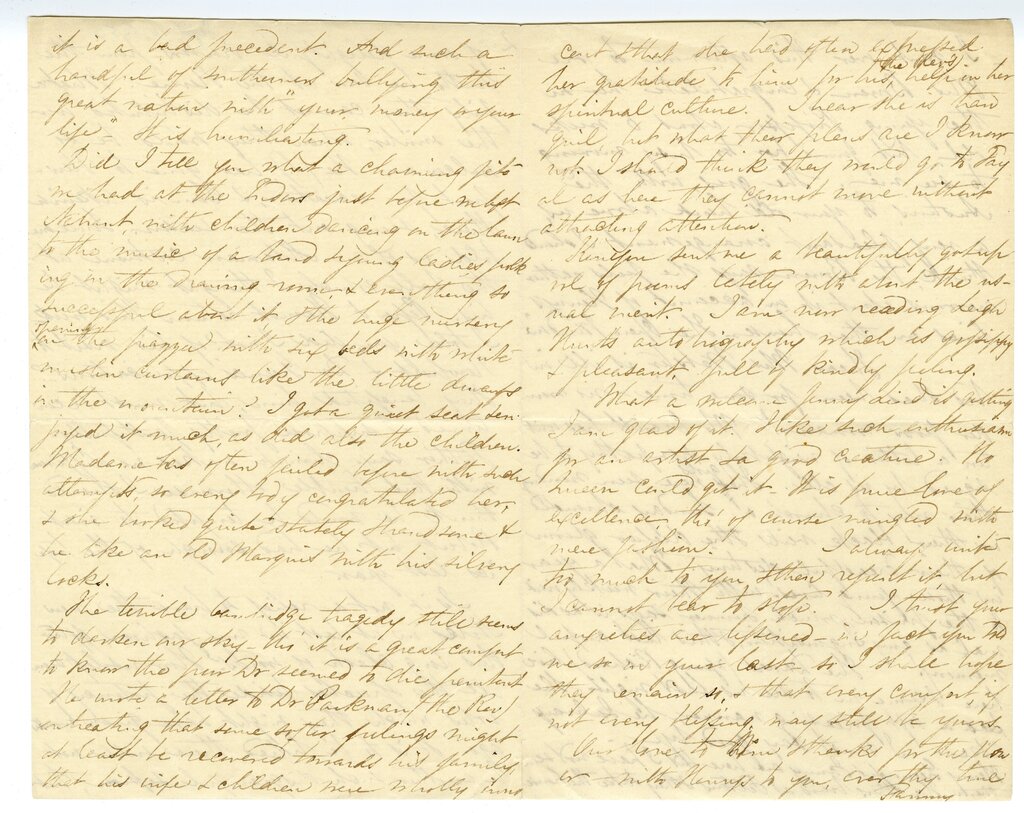
Primary sources come in many forms, depending on the subject you're studying. A few examples include:
- Historical Documents: Diaries, letters, speeches, government records, maps, and photographs.
- Creative Works: Novels, poems, paintings, music scores, and films.
- Scientific Research: Original research articles published in journals, lab notes, and field data.
- Personal Accounts: Oral histories, interviews, memoirs, and autobiographies.
- Artifacts: Tools, clothing, buildings, and pottery.
Why They Matter
Using primary sources is like tasting the ingredients before the chef turns them into a meal. It allows you to form your own conclusions. Instead of reading a historian's opinion on a political speech, you can read the speech yourself. You get to notice the tone, the specific words chosen, and the context in which it was delivered.
This direct engagement with the material brings you closer to the subject and helps you build a much stronger, more original argument. Your work becomes more than just a summary of other people's ideas; it becomes your own contribution.
This is fundamentally different from using materials that comment on or analyze original sources. Those have a different name and a different role in research.
Primary vs. Secondary Sources
If a primary source is a firsthand account, a secondary source is a second-hand account. It is one step removed from the original event or creation. Secondary sources interpret, analyze, or discuss information found in primary sources.
Think of a history textbook. The author of the textbook wasn't at the Battle of Gettysburg. They studied primary sources—like soldiers' diaries, official reports, and photographs—to write their chapter about it. The textbook is a secondary source.
| Topic | Primary Source Example | Secondary Source Example |
|---|---|---|
| The life of Vincent van Gogh | A letter written by Van Gogh to his brother | A biography written about Van Gogh |
| A Supreme Court case | The official court ruling and transcripts | A law journal article analyzing the case's impact |
| A scientific discovery | The original research paper announcing the finding | A news article or documentary explaining the discovery |
Both types of sources are valuable. Secondary sources provide helpful context and expert analysis. But the foundation of strong, original research always rests on the direct evidence provided by primary sources.