Mastering Research Paper Writing
Understanding Research Papers
Decoding Research Papers
A research paper is a formal report of original research conducted by scientists, scholars, or other experts. Think of it as a detailed story of an investigation. It doesn't just summarize a topic; it presents a new argument or finding, backed by evidence and analysis. The main goal is to share new knowledge with the wider community.
By publishing their work, researchers allow others to learn from them, check their methods, and build on their discoveries. This process of sharing and verifying is the engine of progress in almost every field, from medicine and technology to history and art.
The Anatomy of a Paper
At first glance, research papers can seem dense and intimidating. The good news is that most of them follow a standard, predictable structure. Once you understand this format, you can navigate any paper more easily, knowing exactly where to look for specific information.
Most research papers follow a similar format (IMRAD).
This structure, often called IMRaD, helps organize the research story logically.
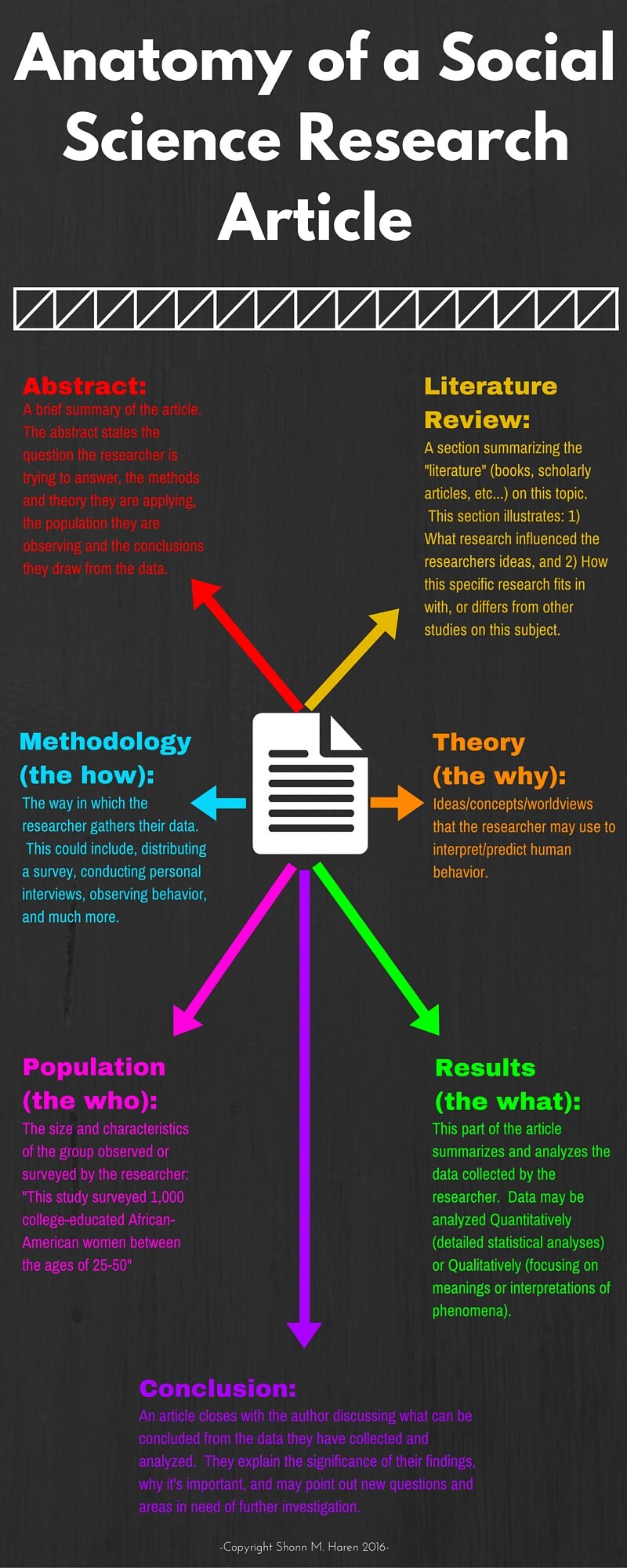
Here’s a breakdown of the key sections:
-
Introduction: This section sets the stage. It explains the research problem, reviews what’s already known about it (the literature review), and states the specific question or hypothesis the authors are investigating. It answers the question: What was the problem?
-
Methodology: Here, the authors describe exactly how they conducted their research. This is the “recipe” section, detailing the procedures, tools, and materials used. It should be clear enough for another researcher to replicate the study. It answers: How did they solve the problem?
-
Results: This part presents the findings of the study, plain and simple. It reports the data, often using tables, charts, and statistics, without any interpretation or speculation. It answers the question: What did they find?
-
Discussion: In this crucial section, the authors interpret their findings. They explain what the results mean, how they relate to the original research question, and how they fit in with previous studies. They also acknowledge any limitations of their work and may suggest areas for future research. This section answers: What does it all mean?
-
Conclusion: This is a brief summary of the most important findings and their overall significance. It gives a final, concise answer to the research question.
Knowing the standard structure acts like a map, guiding you through the article and helping you find the information you need quickly and efficiently.
Why Research Papers Matter
Research papers are the building blocks of knowledge. In academia, they drive conversations, inspire new projects, and form the foundation of our understanding of the world. Students rely on them for essays, and professors use them to stay current in their fields.
Beyond the classroom, these papers have real-world impact. Doctors use findings from medical journals to treat patients. Engineers apply discoveries in materials science to build stronger bridges. Policymakers look to social science research to design better laws. By learning to read and understand these documents, you gain access to the most reliable and cutting-edge information available.
Let's review what you've learned about the structure and purpose of research papers.
What is the primary purpose of a research paper?
If you want to understand exactly how a study was conducted, including the procedures and tools used, which section should you read?
Understanding the purpose and structure of research papers is the first step toward engaging with the core conversations happening in any field.