Mastering Research Paper Presentations
Understanding Research Papers
The Anatomy of a Research Paper
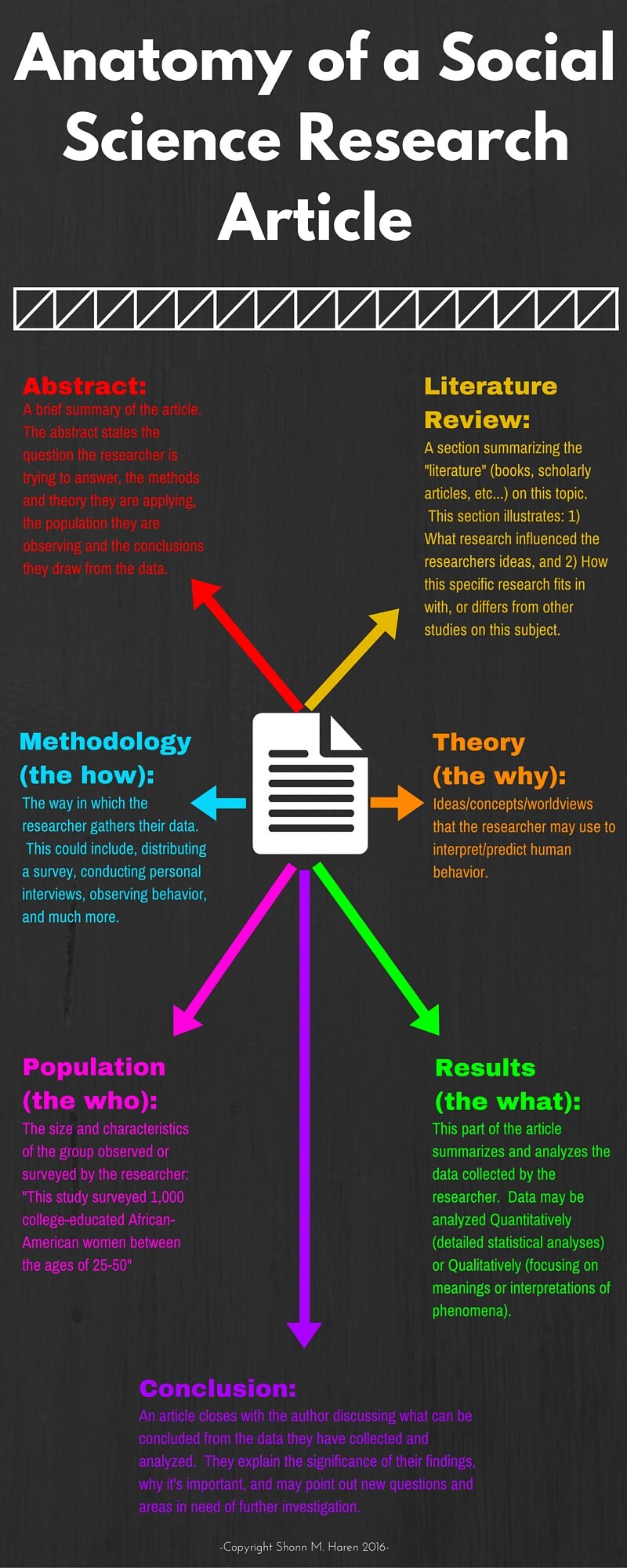
Diving into a research paper can feel like trying to read a map in a foreign language. But once you understand the layout, it all starts to make sense. Most papers in the sciences and social sciences follow a standard structure called IMRAD: Introduction, Methods, Results, and Discussion.
Think of it as a story. The Introduction sets the scene, the Methods describe the action, the Results reveal the climax, and the Discussion explains what it all means. This predictable format helps you quickly find the information you're looking for, no matter the topic.
How to Read Strategically
Here’s a secret: almost nobody reads a research paper from start to finish on the first pass. It’s not a novel. A more effective approach is to jump around to get the big picture first, then dive into the details if the paper seems relevant.
A common strategy is to read the Abstract first, then skip to the Conclusion or Discussion to see the main takeaways. If it still seems interesting, go back to the Introduction to understand the background, and finally, scrutinize the Methods and Results.
Let's break down what you'll find in each section.
Abstract
noun
A brief summary of the entire paper. It covers the research question, methods, key findings, and conclusion, all in about 250 words. It’s your first checkpoint to decide if the paper is worth your time.
The Introduction is where the authors explain why they did the research. It provides background on the topic, points out a gap in current knowledge, and states the specific question or hypothesis the study will address. It answers the question: “What problem are we trying to solve?”
The Methodology (or Methods) section is the “how-to” manual for the study. It describes exactly what the researchers did, what materials they used, and how they analyzed their data. A good Methods section should be detailed enough for another scientist to replicate the experiment. Think of it as the recipe for their scientific dish.
Next up, the Results. This section presents the raw data and findings without any interpretation. It’s the pure, objective outcome of the experiments, often displayed in tables, graphs, and figures. It simply states what was found.
Finally, the Discussion and Conclusion sections are where the authors interpret the results. They explain what the findings mean, how they relate back to the original research question, and how they fit into the bigger picture of their field. They’ll also mention any limitations of their study and suggest areas for future research. This is where the authors answer: “So what?”
Reading with a Critical Eye
Reading a paper isn't just about absorbing information; it’s about engaging with it. As you read, get in the habit of asking questions. This helps you move from passive reading to active, critical analysis.
| Section | Key Questions to Ask |
|---|---|
| Introduction | What is the main research question? Is it interesting and relevant? |
| Methodology | Are the methods appropriate for answering the research question? Could the study be repeated based on the description? |
| Results | Do the figures and tables clearly support the findings? Are there any surprising or unexpected results? |
| Discussion | Do the conclusions logically follow from the results? Did the authors address the study's limitations? |
By breaking down papers into their core components and questioning them as you go, you can efficiently extract the key information and evaluate the research on your own terms. It’s a skill that gets easier and faster with practice.
In a research paper, which section is designed to be a detailed 'how-to' guide, allowing other researchers to replicate the study?
If you want to quickly understand the main problem the researchers are trying to solve and why it's important, which section should you read first?
With this framework, you're ready to tackle research papers with confidence.