Mastering Research Methods
Introduction to Research
What Is Research?
At its heart, research is a process of systematic inquiry. It’s how we move from a question or a problem to a reasoned answer or solution. The goal isn't just to find information, but to discover new knowledge, interpret facts in a new light, or revise our understanding based on new evidence.
Think of it as a structured way of asking questions and a rigorous process for finding the answers. It’s the engine that drives progress in every field, from medicine and technology to history and art.
Research
noun
A systematic investigation into materials and sources in order to establish facts and reach new conclusions.
The main objectives of research are to describe, explain, predict, and sometimes control the phenomena we observe. A researcher might start by describing a situation, then move on to explaining why it's happening, and finally predict what might happen in the future.
Methods vs. Methodology
People often use the terms "research methods" and "research methodology" interchangeably, but they mean different things. Understanding the distinction is key to understanding the research process.
Simply put, methods are the tools you use, while methodology is the overall strategy or plan.
Imagine building a house. The methods are the specific tools and techniques you use, like hammers, saws, and the way you join two pieces of wood. The methodology is the architectural blueprint. It explains the overall design, the justification for why the foundation is a certain depth, and the logic behind the layout of the rooms. The methodology dictates which methods are appropriate for the job.
| Feature | Research Methods | Research Methodology |
|---|---|---|
| Scope | Specific techniques and procedures. | The overall strategy and rationale of the research. |
| Focus | The "how" of data collection and analysis. | The "why" behind the chosen methods. |
| Nature | Practical and technical. | Theoretical and strategic. |
| Example | Surveys, experiments, interviews. | Experimental design, case study approach, ethnographic study. |
Common Types of Research
Research isn't one-size-fits-all. Different questions require different approaches. We can categorize research into several pairs based on its purpose, the type of data used, and its connection to theory.
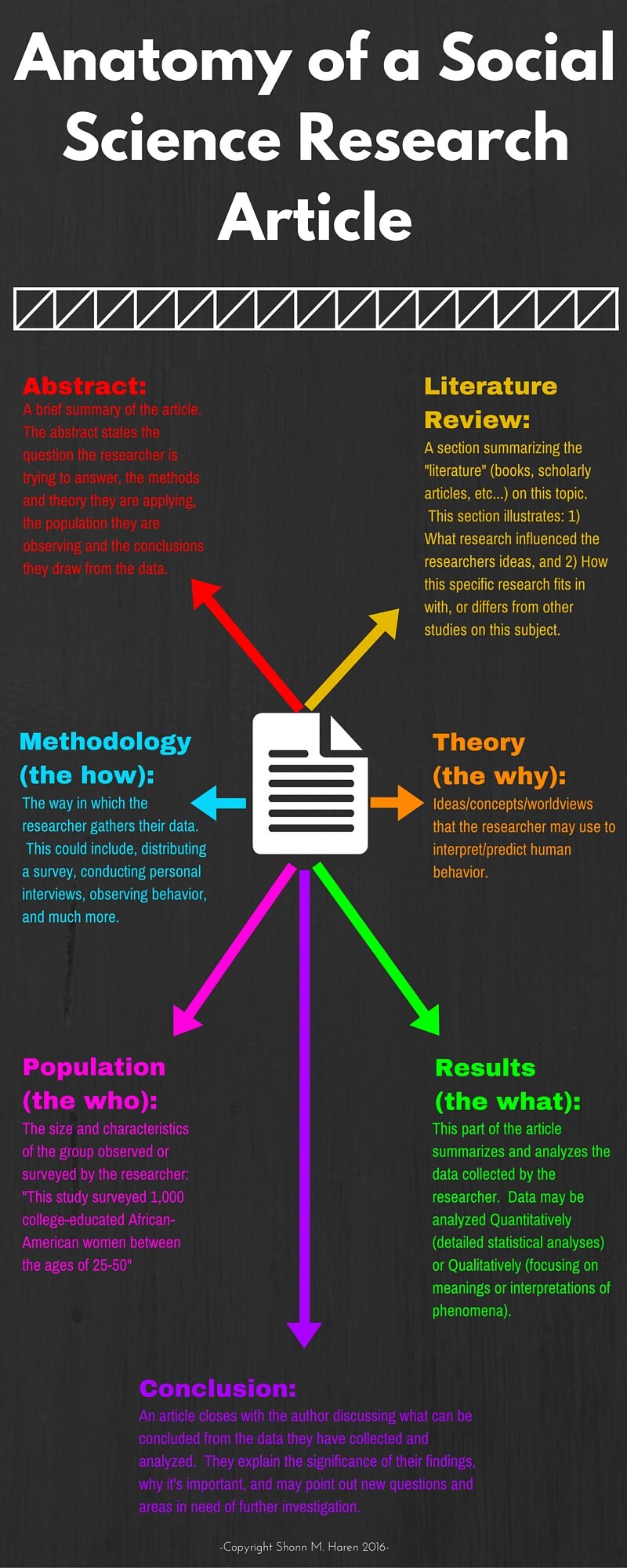
Descriptive vs. Analytical
Descriptive research aims to accurately describe a population, situation, or phenomenon. It answers questions like "what," "where," and "when." For example, a market researcher might survey 1,000 people to describe their smartphone usage habits. The goal is to paint a picture of what exists.
Analytical research, on the other hand, goes a step further. It uses the facts or information already available to analyze and make critical evaluations. It's about understanding the "why" and "how." An analytical study might take the smartphone usage data and explore why certain age groups prefer specific apps.
Descriptive research states what is. Analytical research explores why it is that way.
Applied vs. Fundamental
Applied research is designed to solve a specific, practical problem. The goal is to find solutions that can be used directly in the real world. Research into developing a more effective treatment for a disease or creating a more fuel-efficient engine are examples of applied research.
Fundamental research (also known as basic or pure research) is driven by curiosity and the desire to expand knowledge. It doesn't have an immediate commercial or practical objective. Instead, it explores broad concepts and theories. A physicist studying the properties of subatomic particles is conducting fundamental research.
Quantitative vs. Qualitative
This is one of the most common distinctions. It's all about the type of data you collect.
Quantitative research involves collecting and analyzing numerical data. It's used to test hypotheses, identify patterns, and make predictions. If you see statistics, charts, and graphs, you're likely looking at quantitative research. An example would be a study measuring the impact of a new teaching method on student test scores.
Qualitative research deals with non-numerical data, such as interviews, observations, and open-ended survey responses. It aims to understand concepts, thoughts, or experiences in depth. A researcher might conduct in-depth interviews with a dozen people to understand their experiences with a particular social issue. It provides rich, narrative insights.
Conceptual vs. Empirical
This distinction relates to the source of knowledge.
Conceptual research is focused on abstract ideas or theories. It is generally used by philosophers and thinkers to develop new concepts or to reinterpret existing ones. This type of research doesn't involve conducting experiments. Instead, it relies on logic and reasoning.
Empirical research relies on direct or indirect observation and experience. It is data-based research where conclusions are drawn from verifiable evidence. An experiment to determine the boiling point of a liquid is empirical. The researcher observes what happens and records the data. Most scientific research falls into this category.
A sociologist conducts in-depth interviews with 20 recent immigrants to understand their experiences adjusting to a new country. What type of research is this?
In the context of research, what is the 'methodology'?
Grasping these fundamental ideas is the first step in the journey of research. They provide the framework for asking the right questions and choosing the right path to find the answers.