Mastering Request for Proposals
Understanding RFPs
What Is a Request for Proposal?
A Request for Proposal, or RFP, is a formal document that an organization uses to ask for bids from potential vendors for a specific project or service. Think of it as a very detailed job posting. Instead of hiring a person, the company is looking to hire another company to do a job.
The main purpose of an RFP is to clearly communicate what you need. It’s like giving different builders the same detailed blueprint for a house. You're not just asking for a price; you're asking them to explain how they'll build it, what materials they'll use, how long it will take, and why they're the best choice. This process allows the organization to compare different approaches and prices in a structured way.
The Anatomy of an RFP
A good RFP has several key parts that give vendors all the information they need to create a useful proposal. Each section serves a specific purpose, guiding vendors to address the organization's needs directly.
| Component | Purpose |
|---|---|
| Project Overview | Explains the 'why' behind the project. It gives context, describes the problem to be solved, and states the overall goals. |
| Scope of Work | Details the 'what' of the project. This section lists all the specific tasks, deliverables, and timelines. |
| Requirements | Outlines the 'how.' It specifies the technical, functional, and business requirements the solution must meet. |
| Evaluation Criteria | Describes how proposals will be judged. It tells vendors what matters most, like price, experience, or technical skill. |
The project overview sets the stage. It might explain why a new software system is needed or what business challenge a marketing campaign should address.
The scope of work is where you get specific. It defines the boundaries of the project. For example, it might state that the vendor is responsible for designing and launching a website, but not for its ongoing maintenance.
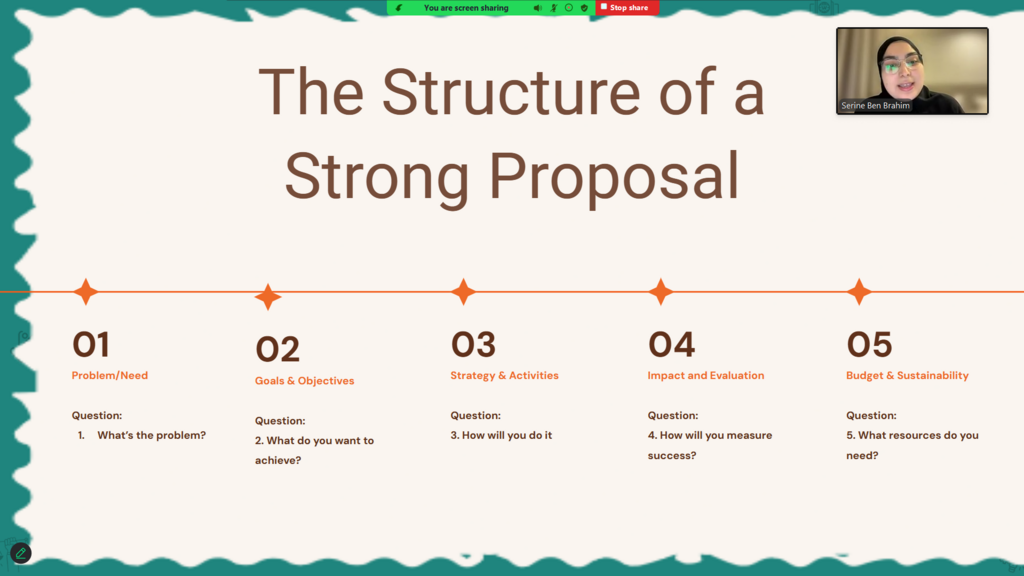
Make sure your project meets guidelines in the Request for Proposals (RFP) labeled “eligible projects.”
The requirements section gets into the nitty-gritty details. A requirement for a new website might be "must be compatible with all major web browsers" or "must allow users to create an account." Finally, the evaluation criteria provides transparency. It tells vendors how their proposal will be scored, allowing them to focus on what the organization values most.
Why Bother with RFPs?
Creating an RFP takes time and effort, but it offers significant advantages. It’s a powerful tool for making smart procurement decisions.
One of the biggest benefits is fostering competition. By sending the RFP to multiple vendors, you create a competitive environment that can lead to better pricing and more innovative solutions. It turns the procurement process into a marketplace for your project.
RFPs also ensure clarity and consistency. Because every vendor receives the same document, they are all working from the same set of information. This creates a level playing field and makes it much easier to compare proposals fairly. You're comparing apples to apples.
Finally, the process itself helps reduce risk. Writing an RFP forces an organization to think through its needs, goals, and requirements in detail before the project even begins. This internal alignment helps prevent misunderstandings and scope creep later on.
In short, an RFP is a foundational document that structures the conversation between a buyer and potential sellers, ensuring that the final choice is well-informed and aligned with the project's goals.