Mastering Remote Meetings
Understanding Remote Meeting Dynamics
The Virtual Room
In-person meetings have a natural rhythm. You can read the room, catch a subtle nod, or see someone lean forward, ready to jump in. These small, non-verbal cues guide the conversation. When we move to a virtual space, much of that is lost.
The biggest difference isn't the technology, it's the communication. On a video call, body language is flattened. It’s hard to make eye contact or gauge reactions from a grid of faces. This creates a barrier, making it easier for people to misunderstand each other or disengage completely.
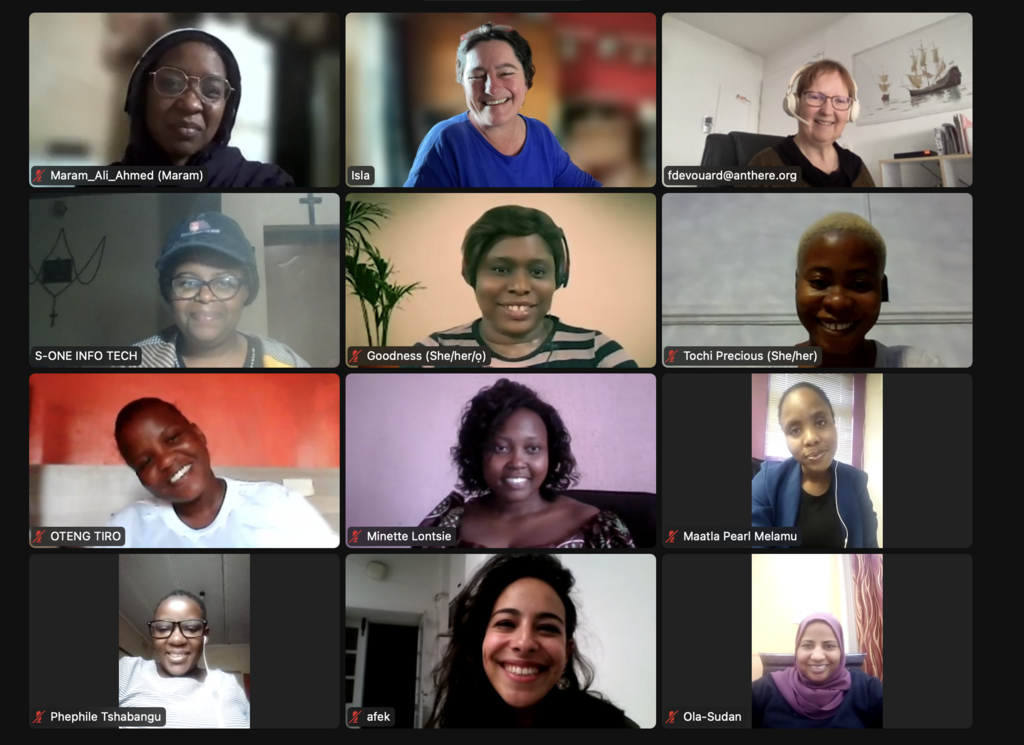
Technical glitches add another layer of difficulty. A frozen screen or choppy audio can instantly derail a thought. The simple act of taking turns to speak becomes a challenge, often leading to awkward pauses or people accidentally talking over one another. The spontaneous side chats that build relationships and solve small problems in person rarely happen.
In a remote meeting, silence can mean anything from 'I agree' to 'My connection just froze.' Clear, intentional communication is your best tool.
Mind the Gap
Working with a distributed team often means working across different time zones. This isn't just a scheduling puzzle; it's a human energy puzzle.
A meeting scheduled for 9 AM in New York is 6 AM in Los Angeles and 2 PM in London. One person is just starting their day, maybe still waking up, while another is heading into their afternoon slump. This impacts everyone's ability to focus and contribute their best ideas. Being mindful of time zones shows respect for your colleagues' work-life balance and helps ensure everyone is mentally present.
Your Meeting's Roadmap
If you walk into an in-person meeting without a clear plan, you can often feel your way through it. In a remote meeting, that's nearly impossible. Without the structure of a shared physical space, conversations can easily drift. That's why a clear agenda is non-negotiable.
An agenda acts as a roadmap. It tells everyone where the meeting is going and what's expected of them. It keeps the conversation focused, ensures all important topics are covered, and respects everyone’s time. A good agenda isn't just a list of topics; it's a tool for productivity.
Make and follow an agenda to help your virtual meetings stay on track.
A strong agenda should outline the meeting's primary goal. What, specifically, needs to be decided or accomplished by the end of the call? It should also list the key discussion points, assign a rough time estimate for each, and note who is leading that part of the conversation. Sharing the agenda beforehand gives everyone a chance to prepare, leading to a much more efficient and engaging discussion.
Before we test your knowledge, let's review the key ideas.
Ready to check your understanding?
What is the primary communication challenge when moving from in-person to virtual meetings?
Why is being mindful of time zones described as a 'human energy puzzle' for distributed teams?
Understanding these dynamics is the first step toward making your remote meetings more productive and engaging for everyone involved.