Mastering Remote Meetings
Understanding Remote Meeting Fundamentals
The Modern Meeting Room
A remote meeting is just a get-together that happens online instead of in person. Team members use video conferencing tools to connect from wherever they are, whether that's a home office, a coffee shop, or another continent. In today's global and flexible work environments, these meetings are not just a convenience; they are essential for keeping projects moving and teams connected.
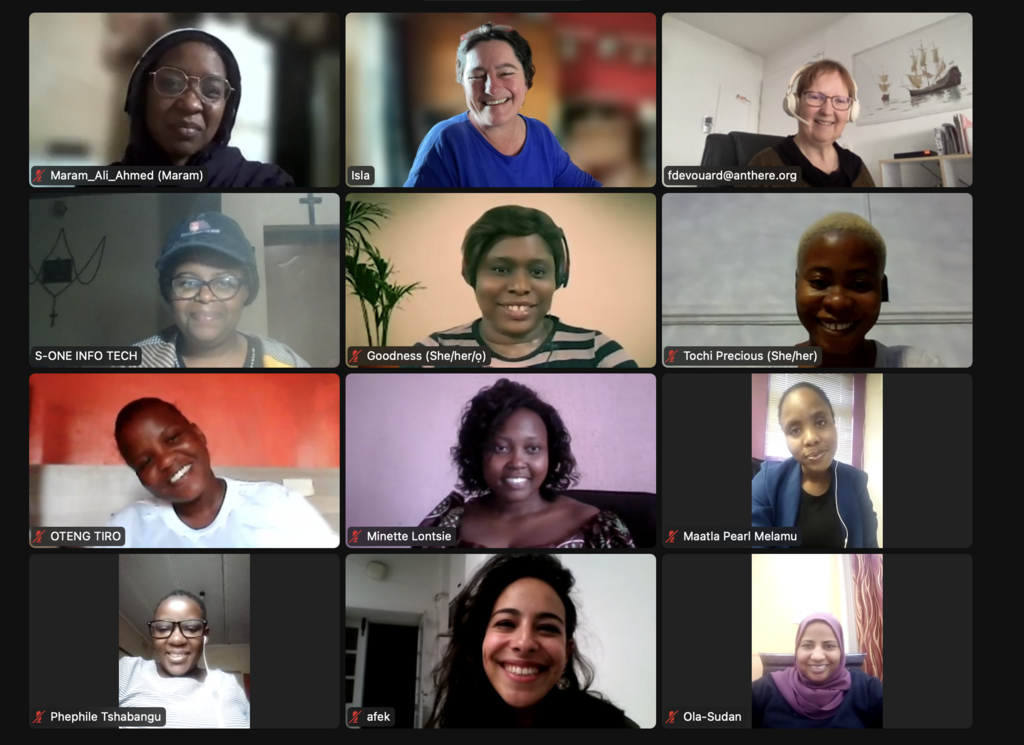
But just like in-person meetings, virtual ones can be productive or a waste of time. The key is understanding their unique dynamics. They offer incredible flexibility but also come with their own set of challenges that need to be managed.
| Benefits | Challenges |
|---|---|
| Connects teams across the globe | Time zone differences can be tricky |
| Reduces travel time and costs | Technical glitches can interrupt the flow |
| Offers greater scheduling flexibility | Harder to read body language and non-verbal cues |
| Can increase accessibility for some | Distractions at home are common |
Setting the Stage for Success
A successful remote meeting doesn't happen by accident. It requires thoughtful planning, starting with the basics: technology. At a minimum, every participant needs a stable internet connection, a functional microphone, and a webcam. Without these, even the best-planned meeting can fall apart.
Then there's the challenge of time. If your team is spread out, scheduling can feel like a puzzle. A meeting at 9 AM in New York is 2 PM in London and 6:30 PM in Mumbai. Using a world clock or scheduling tool is crucial to find a time that respects everyone's work-life balance.
The biggest hurdle isn't always technology or time zones; it's communication. Without being in the same room, we miss out on subtle cues like body language and tone of voice. This makes clear, direct communication even more important.
The Power of a Plan
The single most important tool for a good remote meeting is a clear agenda. An agenda is like a roadmap. It tells everyone where the meeting is going and why they are there. It should be sent out in advance so people can prepare.
A great agenda answers three questions:
- What is the goal? Every meeting should have a clear, specific objective. Are you making a decision, brainstorming ideas, or just sharing updates?
- What topics will we cover? List the specific points of discussion to keep the conversation focused.
- Who is responsible for what? Note who is leading each part of the discussion to ensure a smooth flow.

Different digital tools can help. Video conferencing platforms like Zoom or Google Meet are the virtual rooms. Messaging apps like Slack or Microsoft Teams are great for quick chats before and after. And project management tools like Asana or Trello help track the action items that come out of the discussion. Choosing the right tools makes collaboration seamless.
Every meeting attendee should know why they are there and what they are expected to contribute.
Now, let's check your understanding of these core concepts.
According to the text, what is described as the single most important tool for a productive remote meeting?
A team leader is preparing an agenda for a remote meeting. Which of the following is NOT one of the three core questions the agenda should answer?