Mastering Remote Meetings
Understanding Remote Meeting Dynamics
The New Handshake
Remote meetings are more than just a substitute for gathering in a conference room. They are the hubs of modern collaboration, connecting teams across cities, countries, and continents. When done right, they bridge distances and keep projects moving forward. They are where ideas are born, decisions are made, and company culture is built, one video call at a time.

The importance of these virtual get-togethers has skyrocketed. They allow businesses to tap into a global talent pool and offer employees the flexibility they crave. But their effectiveness hinges on understanding their unique nature. A remote meeting isn't just an in-person meeting with a screen in the middle; it's a different beast entirely, with its own set of rules and rhythms.
Navigating Virtual Hurdles
Virtual meetings come with their own unique set of challenges. When you’re not in the same room, it's easy to miss the subtle, non-verbal cues that make up a huge part of communication. A thoughtful pause can be mistaken for a frozen screen. A nod of agreement can go completely unseen. This communication gap can lead to misunderstandings and a feeling of disconnection among team members.
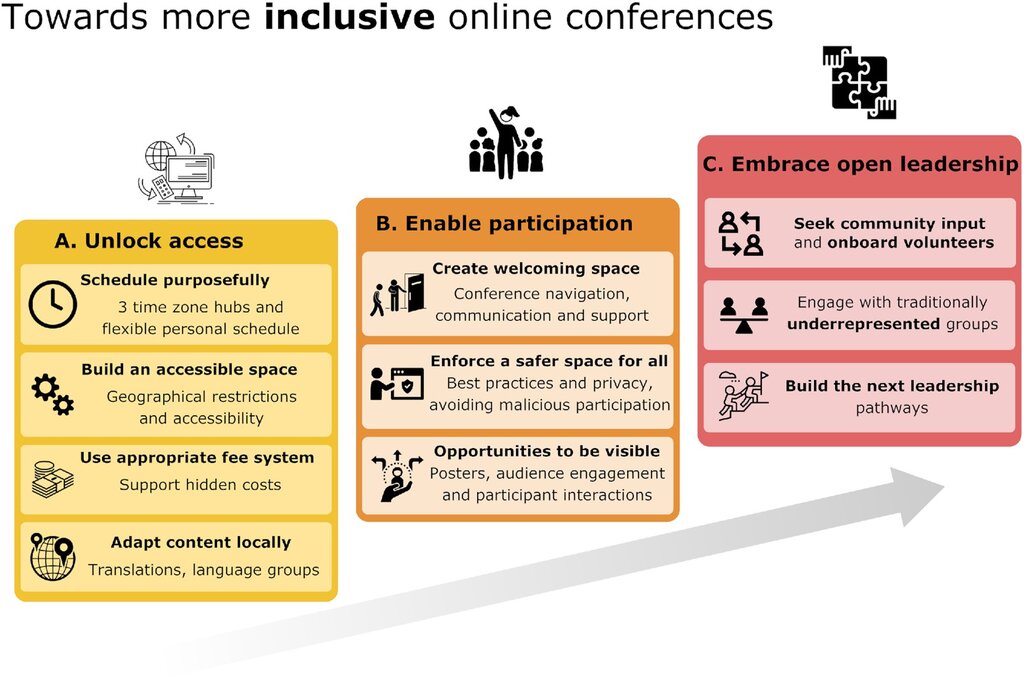
Then there’s the logistical puzzle of time zones. Coordinating a meeting with team members in New York, London, and Tokyo requires careful planning to ensure no one has to log on at 3 AM. Without thoughtful scheduling, someone is always drawing the short straw, which can lead to burnout and resentment.
The biggest hurdle is often mental, not technical. Constant video calls can be surprisingly draining, leading to a phenomenon known as 'Zoom fatigue'.
Zoom fatigue is the exhaustion you feel after a day packed with video conferences. Our brains have to work harder to process non-verbal cues in a virtual setting. We're also hyper-aware of being watched on camera and have fewer opportunities for the small mental breaks we'd naturally take in an office, like walking to another meeting room or grabbing a coffee. To combat this, it's crucial to be intentional about meeting length and frequency. Not every conversation needs to be a video call.
The Upside of Going Remote
Despite the challenges, the benefits of remote meetings are transformative. The most obvious is flexibility. Team members can contribute from anywhere with an internet connection, leading to a better work-life balance and higher job satisfaction. This also saves everyone the time, money, and stress of a daily commute.
Remote meetings can also be a powerful tool for inclusivity. In a virtual setting, the playing field can be leveled. People who are naturally more introverted may find it easier to contribute through chat functions. It also provides better access for individuals with disabilities or those who have caregiving responsibilities at home. Everyone has the same size box on the screen, which can help democratize conversations that might otherwise be dominated by the loudest voices in the room.
Setting the Stage for Success
A productive remote meeting doesn't happen by accident. It requires clear objectives and shared expectations. Before you even send an invitation, you should be able to answer a simple question: why does this meeting need to exist?
Every meeting should have a purpose. Are you brainstorming new ideas, making a specific decision, or sharing a project update? Defining the goal helps you determine who actually needs to be there. Respecting people's time is paramount in a remote setting.
Every meeting attendee should know why they are there and what they are expected to contribute.
Once the objective is clear, set expectations for the meeting itself. This means creating and sharing an agenda beforehand with key topics and desired outcomes. Let attendees know what is expected of them. Should they come prepared to share their thoughts on a specific document? Will they need to vote on a decision? When everyone arrives on the same page, the meeting is far more likely to be focused, efficient, and ultimately, successful.
Let's test your understanding of these core concepts.
According to the provided text, what is the most accurate way to describe the relationship between remote and in-person meetings?
Which of the following is NOT mentioned as a unique challenge associated with remote meetings?
By understanding the unique dynamics of remote meetings, you can avoid common pitfalls and harness their full potential for collaboration and flexibility.