Mastering Remote Meetings
Understanding Remote Meeting Dynamics
The New Meeting Room
Remote meetings are simply meetings that happen online instead of in a physical room. Participants join from different locations using computers or phones. They have become a standard part of how teams collaborate, whether colleagues are in different cities or just different rooms of the same house.
Unlike in-person meetings, you can't rely on body language or the shared energy of a room to keep things moving. Virtual collaboration requires a different set of skills and awareness. It’s not just about turning on your camera; it's about fundamentally rethinking how we connect and communicate.

Common Hurdles
Virtual meetings come with their own unique set of challenges. When everyone is in a different space, things can get complicated.
One of the biggest obstacles is technology. A weak internet connection, a microphone that won't unmute, or software that crashes can bring a discussion to a halt. These glitches are frustrating and can derail an entire meeting.
Time zones are another major factor. Scheduling a call that works for team members in New York, London, and Tokyo requires careful planning. It often means someone has to join very early in their morning or late in their evening, which can affect their energy and focus.
Finally, there's the human element. It’s easy to feel disconnected when you're staring at a screen. People might multitask, leading to a lack of engagement, or they might struggle to speak up in a group conversation without the usual social cues. Keeping everyone focused and involved is a constant challenge.
Remote meetings can feel distant, but the right approach can make them just as productive as being in the same room.
The Benefits of Connecting Remotely
Despite the challenges, remote meetings offer powerful advantages. The most obvious one is flexibility. People can join from anywhere with an internet connection, eliminating commutes and making it easier to balance work with personal life.
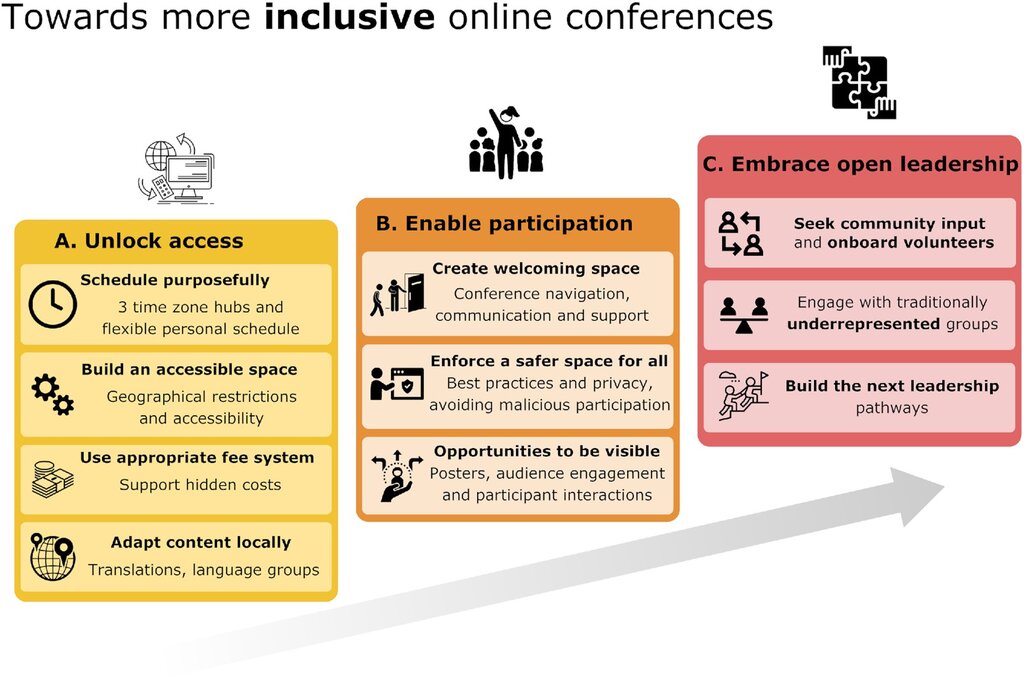
Remote meetings can also be more inclusive. They allow people with different physical abilities, caregiving responsibilities, or those who live in remote areas to participate on an equal footing. It also opens the door to collaborating with a global talent pool, bringing diverse perspectives into the conversation.
They can be cost-effective, too. Companies save money on travel, and individuals save on the daily costs associated with going into an office.
What Makes a Remote Meeting Work
A successful remote meeting doesn’t happen by accident. It’s built on a few key components.
-
Clear Communication: This is non-negotiable. Before the meeting, everyone should know its purpose and what's expected of them. During the meeting, speakers need to be clear and concise. After, a summary of decisions and next steps ensures everyone is on the same page.
-
Active Participation: Engagement is crucial. A good remote meeting encourages everyone to contribute. This means creating space for quieter team members to speak and using interactive features like polls or shared documents to keep people involved. The goal is a conversation, not a lecture.
-
Effective Use of Technology: While you don't need to be a tech expert, understanding the basics of your meeting platform is important. Knowing how to mute and unmute, share your screen, and use the chat function helps the meeting run smoothly. It's about using the tools to support the conversation, not letting them get in the way.
Learn to effectively plan, facilitate, and conclude remote meetings to maximize productivity and respect participants' time.
Ready to check your understanding of remote meeting dynamics? Let's see what you've learned.
Which of the following is considered a primary challenge of remote meetings?
Why is it often harder to maintain engagement in a remote meeting compared to an in-person one?
Mastering these fundamentals is the first step toward making your virtual collaborations more productive and engaging.