Mastering Remote Meetings
Understanding Remote Meeting Dynamics
The New Meeting Room
Remote meetings are real-time, interactive gatherings held online. Instead of sharing a physical conference room, participants connect from different locations using video conferencing tools. They have become a cornerstone of modern work, allowing teams to collaborate across cities, countries, and continents.
But a successful remote meeting is more than just a video call. It requires a different mindset and a new set of skills. The goal isn't just to talk, but to connect, create, and make decisions effectively, no matter where you are.

Understanding how these meetings work is key. When managed well, they can be more efficient and inclusive than their in-person counterparts. When managed poorly, they can feel draining and unproductive.
Not Just a Different Room
Switching from a physical room to a virtual one changes the dynamic entirely. The lack of shared physical space means we lose a lot of the subtle, non-verbal information we rely on. You can't easily read the room, notice someone leaning in to speak, or make eye contact to build rapport. This makes clear, intentional communication more important than ever.
| Feature | Virtual Meetings | In-Person Meetings |
|---|---|---|
| Body Language | Limited to face and shoulders; harder to read. | Full-body cues are visible, providing rich context. |
| Side Chats | Can happen privately, risking division. | Are public and can be disruptive but are also visible. |
| Engagement | Easier to disengage; multitasking is common. | Social pressure encourages focus and participation. |
| Technology | Essential. A bad connection can derail everything. | Secondary. A failing projector is an inconvenience. |
The virtual environment also levels the playing field in some ways. A quiet team member might find it easier to contribute through a chat function than by interrupting a loud discussion. On the flip side, the barrier of technology can make spontaneous brainstorming feel stilted.
Hurdles and Opportunities
Remote meetings come with a unique set of challenges. Technical glitches are a common culprit. A weak internet connection, failing microphone, or unfamiliar software can bring a discussion to a grinding halt. Distractions are another major issue. It's easy for attendees to check emails or get pulled into a home-life interruption when they aren't physically present in a meeting room.
This leads to "Zoom fatigue"—the exhaustion that comes from the high cognitive load of paying constant attention to multiple video feeds and trying to decipher limited non-verbal cues.
But the advantages are significant. Virtual meetings offer incredible flexibility, eliminating commute times and allowing for a better work-life balance. They save on costs for travel and office space. Most importantly, they enable organizations to hire talent from anywhere in the world, building more diverse and resilient teams.
A well-run remote meeting can be highly focused and efficient. With the right tools and ground rules, teams can ensure everyone has a chance to speak, decisions are clearly documented, and follow-up actions are assigned.
Communicating Clearly
In a virtual setting, clarity is king. Since you can't rely on body language to fill in the gaps, your words matter more. It's crucial to be concise and direct.
Here are a few strategies to improve communication:
- Speak with intention. Pause before you speak to gather your thoughts. Try to make one clear point at a time rather than thinking out loud.
- Use visual aids. Share your screen to show a document, slide, or diagram. This helps focus everyone's attention on the same thing.
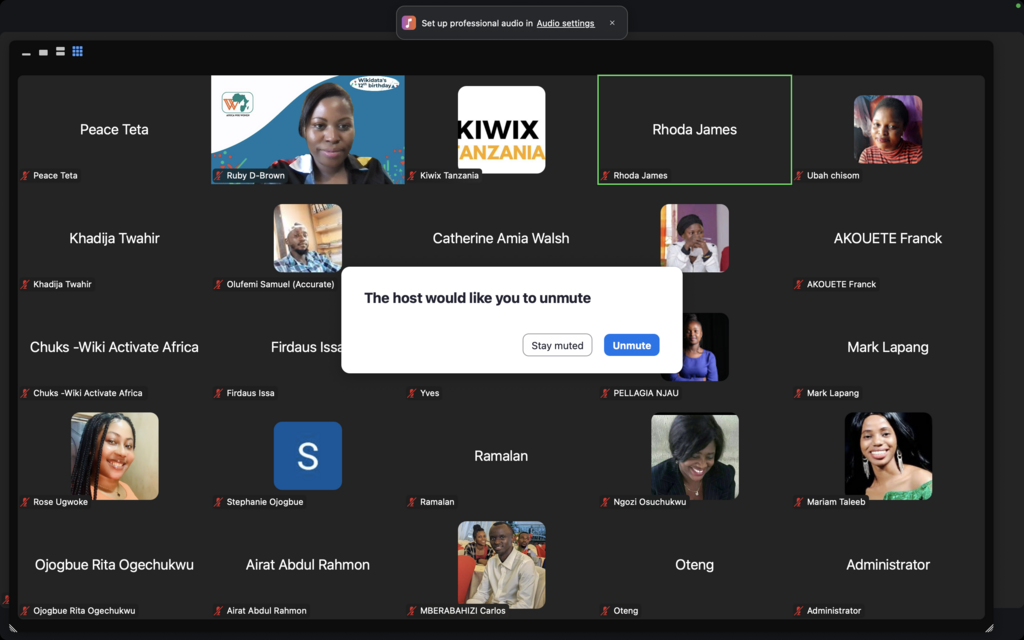
- Master the mute button. Mute yourself when you aren't speaking to eliminate background noise. It's a simple act of respect for the other participants.
- Leverage the chat. Use the text chat for asking questions without interrupting the speaker, sharing links, or adding quick comments. This creates a second channel for communication that can make the meeting more efficient.
A successful remote meeting will have all members mentally present and participating within the meeting.
Finally, make a habit of summarizing key decisions and action items at the end of the discussion. This ensures everyone leaves with a shared understanding of what was accomplished and what needs to happen next.
Time to check what you've learned.
What is a primary communication challenge in remote meetings compared to in-person ones?
According to the text, how can the chat function be used to make a remote meeting more efficient?
By understanding the unique dynamics of remote meetings, you can avoid common pitfalls and harness their advantages to make your collaborations more productive and engaging.