Mastering Remote Meetings
Understanding Remote Meetings
The World of Remote Meetings
A remote meeting is any gathering where participants join from different physical locations using technology. It's more than just a video call. It can be a quick audio chat, a formal presentation to a global team, or even a collaborative session in a shared document that happens over several hours.
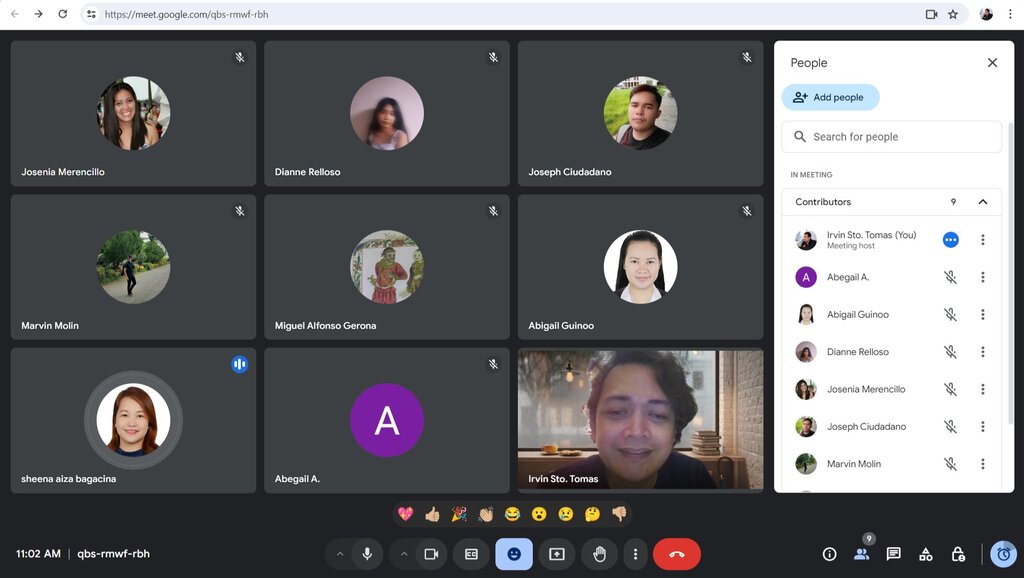
There are three main types:
- Video conferences: The most common type. Participants see and hear each other in real-time. This is great for discussions that benefit from seeing facial expressions and body language.
- Audio conferences: These are phone calls, pure and simple. They work well for quick check-ins or when participants have low internet bandwidth.
- Asynchronous meetings: These don't happen in real-time. Team members contribute on their own schedules. Examples include leaving comments on a shared document, discussing ideas in a dedicated chat channel, or recording a video update for others to watch later.
Benefits of Going Remote
Remote meetings have become popular for good reason. They offer incredible flexibility, allowing people to join from home, a coffee shop, or a different continent. This opens the door to more diverse teams, as you're not limited to hiring people who live near an office.
They also save time and money. There's no commute to the meeting room and no need to pay for travel expenses. Plus, remote meetings are easier to record. This creates a valuable log of decisions and discussions that people can refer to later, ensuring no one misses key information.
The biggest advantage is access. Anyone with an internet connection can have a seat at the table, regardless of their location.
Common Hurdles to Clear
Of course, remote meetings come with their own set of challenges. Technology is the most obvious one. A poor internet connection, a microphone that won't work, or confusing software can bring a meeting to a halt.

Participant engagement is another major hurdle. When you're not in the same room, it's easy for people to get distracted by emails or notifications. This can lead to a phenomenon known as "Zoom fatigue," a feeling of exhaustion that comes from spending too much time on video calls.
Finally, communication can feel strained. It's harder to read body language and non-verbal cues through a screen. Spontaneous brainstorming or casual side-conversations that build relationships don't happen as naturally. This shift can change how a team connects and builds trust.
What is the defining characteristic of a remote meeting?
A team that collaborates by leaving comments on a shared document over several hours is engaging in a(n) ___ meeting.