Mastering Remote Meetings
Understanding Remote Meeting Dynamics
Navigating the Virtual Room
Remote meetings are more than just a video call; they're a unique social space with their own set of rules. Unlike meeting in person, we lose a lot of the subtle, non-verbal information that helps us communicate. A slight nod, a quick glance, the way someone leans forward in their chair—these small cues disappear or get distorted through a screen.
This makes clear, direct communication essential. Without body language to soften our words, misunderstandings can happen more easily. What might come across as efficient in an email can sound abrupt on a call. The casual chat that happens before an in-person meeting starts is also gone, making it harder to build rapport and trust with colleagues.
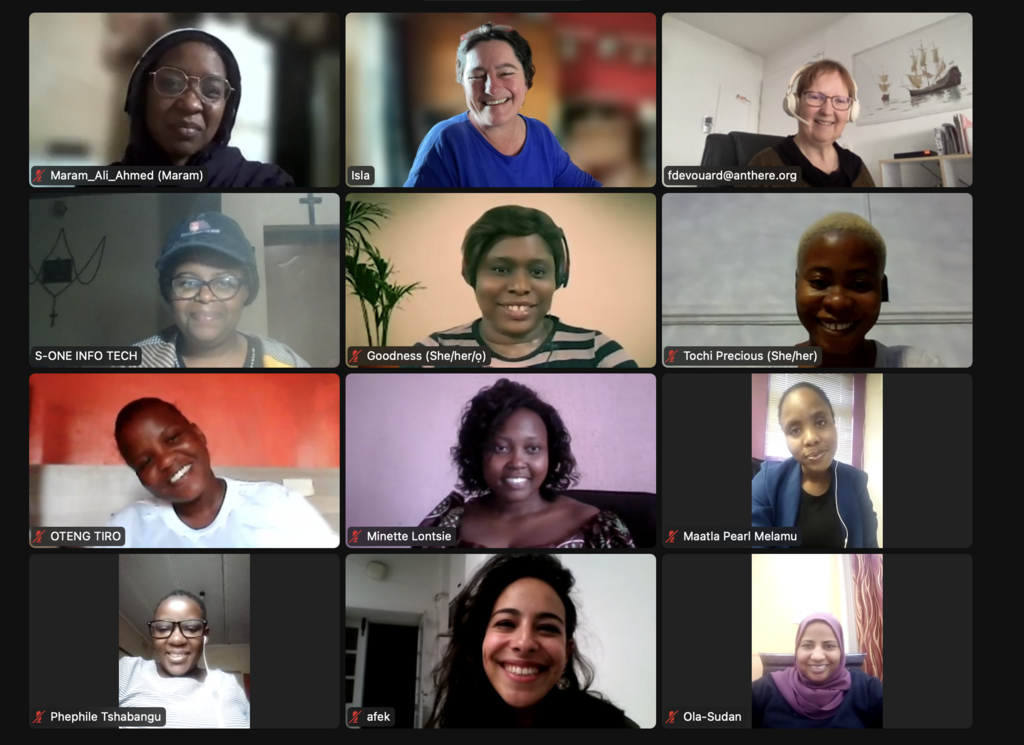
In remote meetings, silence isn't always golden. It can mean anything from agreement to confusion to a frozen internet connection. Learning to navigate these new communication patterns is key.
The Time Zone Tango
When your team is spread across the globe, scheduling becomes a careful balancing act. It's easy to look at a time zone chart and pick a time that works on paper, but it's crucial to consider the human element. Asking a team member in Tokyo to join a 9 AM New York call means they're logging on at 10 PM their time.
Consistently scheduling meetings outside of someone's normal working hours can lead to burnout and make them feel like an afterthought. Good remote teams are mindful of this. They rotate meeting times so the inconvenience is shared, or they rely more on asynchronous communication, like recorded videos or detailed notes, so not everyone has to be present live.
| City | Local Time |
|---|---|
| San Francisco (PDT) | 9:00 AM |
| New York (EDT) | 12:00 PM |
| London (BST) | 5:00 PM |
| Mumbai (IST) | 9:30 PM |
| Tokyo (JST) | 1:00 AM (Next Day) |
Finding a slot that's reasonable for everyone in this example is nearly impossible. This is where thoughtful planning and communication become critical.
Keeping Everyone Engaged
In an office meeting room, it's easy to see who's paying attention. Online, a silent, black square with a name on it could be a deeply focused colleague or someone making lunch. Keeping people engaged when they're surrounded by the distractions of their own environment is a major challenge.
Fostering engagement isn't about forcing everyone to be on camera, but about creating a space where people feel comfortable participating. This starts with having a clear purpose for the meeting. If people know why they're there and what needs to be accomplished, they're more likely to stay focused.
Simple actions can make a big difference. Pause for questions more often than you would in person. Instead of asking, "Any questions?" and hearing silence, try asking individuals for their thoughts directly and kindly: "Sarah, what's your take on this?" This simple act brings people into the conversation and signals that their input is valued.
Active facilitation is the practice of deliberately guiding the meeting's flow, managing participation, and ensuring every voice is heard.
When people feel seen and heard, they're more likely to contribute, transforming a passive viewing experience into an active collaboration.
Now, let's test your understanding of these dynamics.
Why is clear, direct communication considered more essential in remote meetings compared to in-person ones?
What is the most considerate and effective strategy for scheduling meetings with a team spread across distant time zones?
Mastering these elements of remote work—clear communication, time zone empathy, and active engagement—turns virtual meetings from a challenge into an opportunity for effective teamwork.